
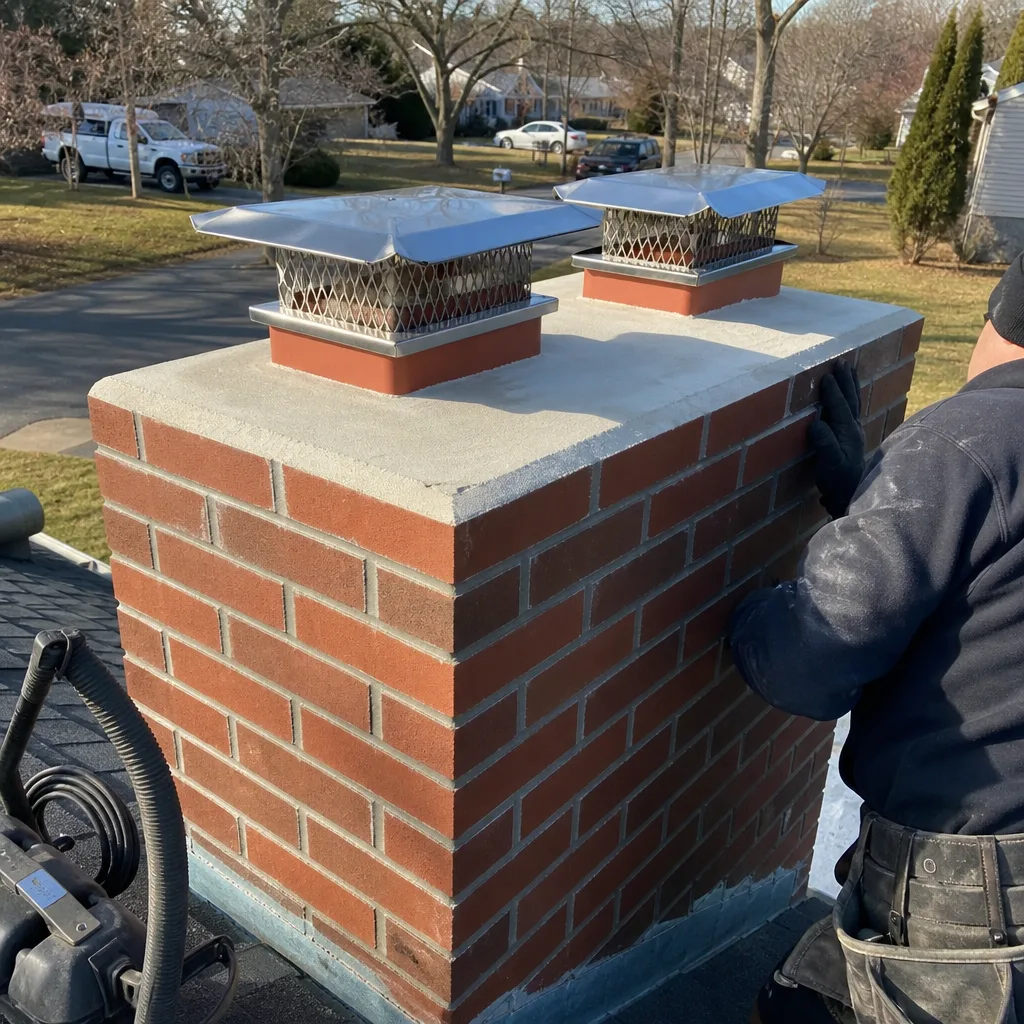
Level 1 sweep and inspection to the NFPA 211 annual standard - flue, crown, cap, and flashing checked and photographed
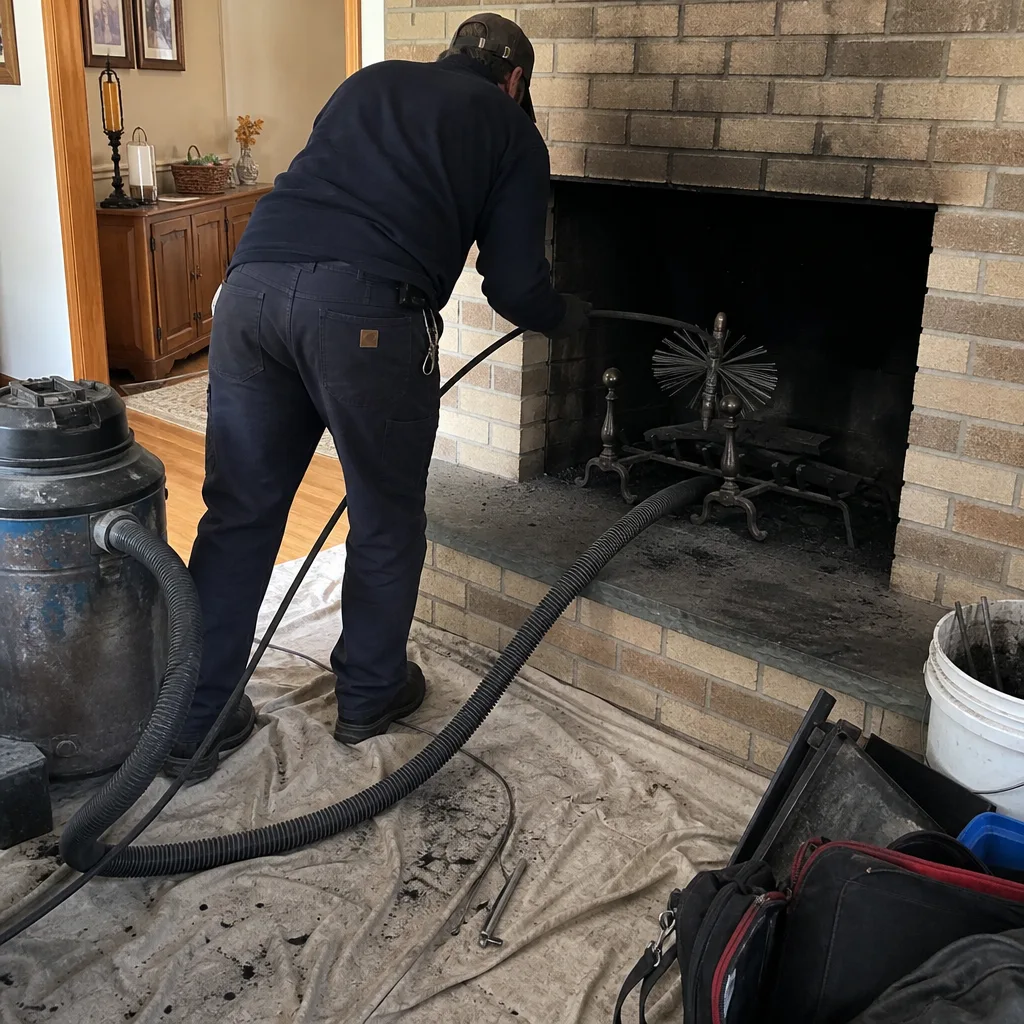
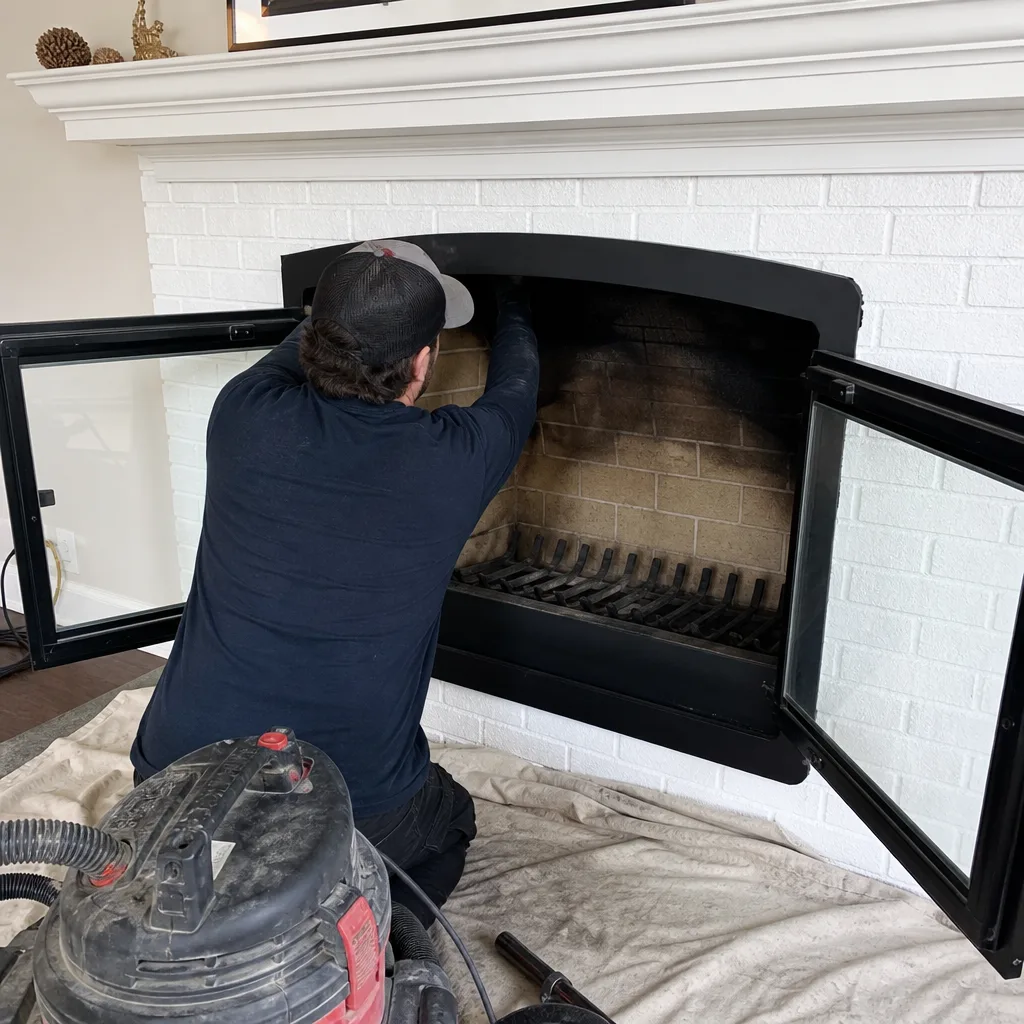
Chimney sweep logs do not sweep chimneys. They loosen some creosote - which then falls where a brush and vacuum still have to collect it.
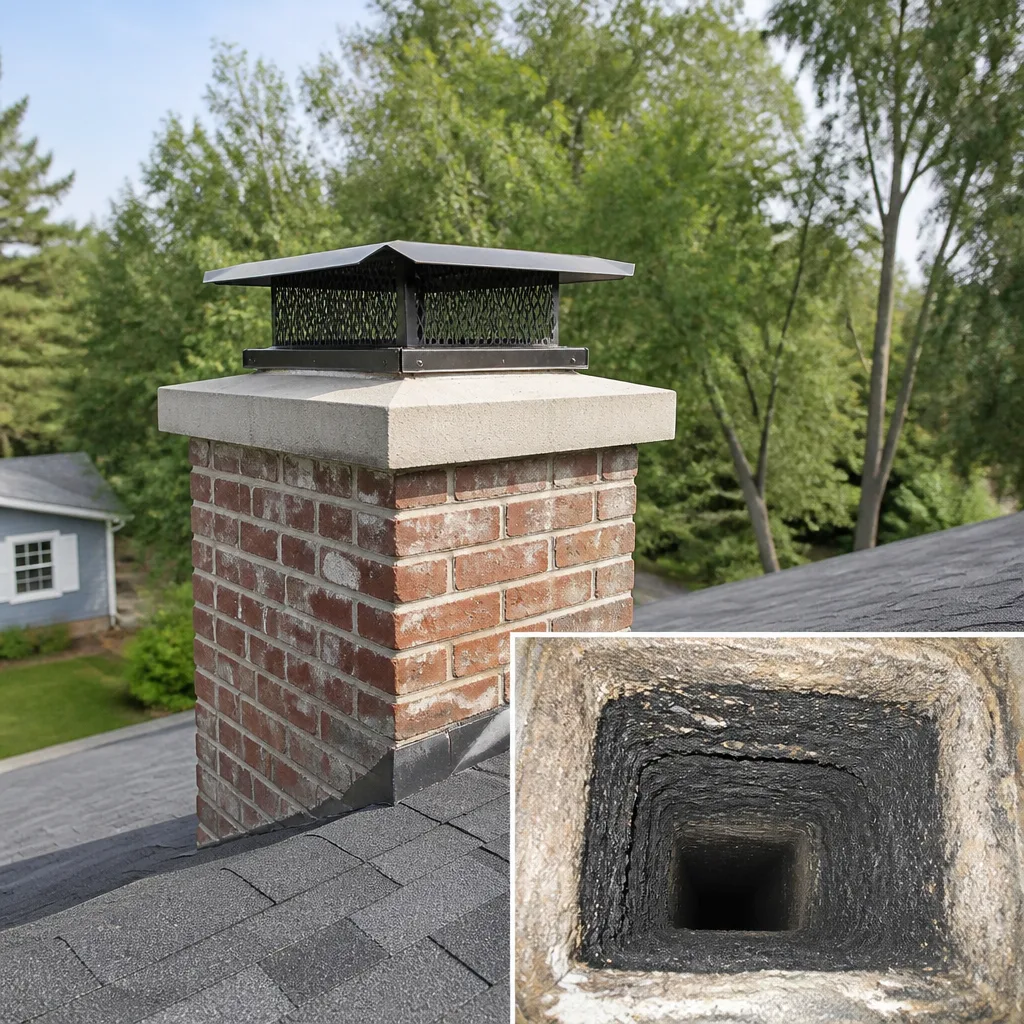
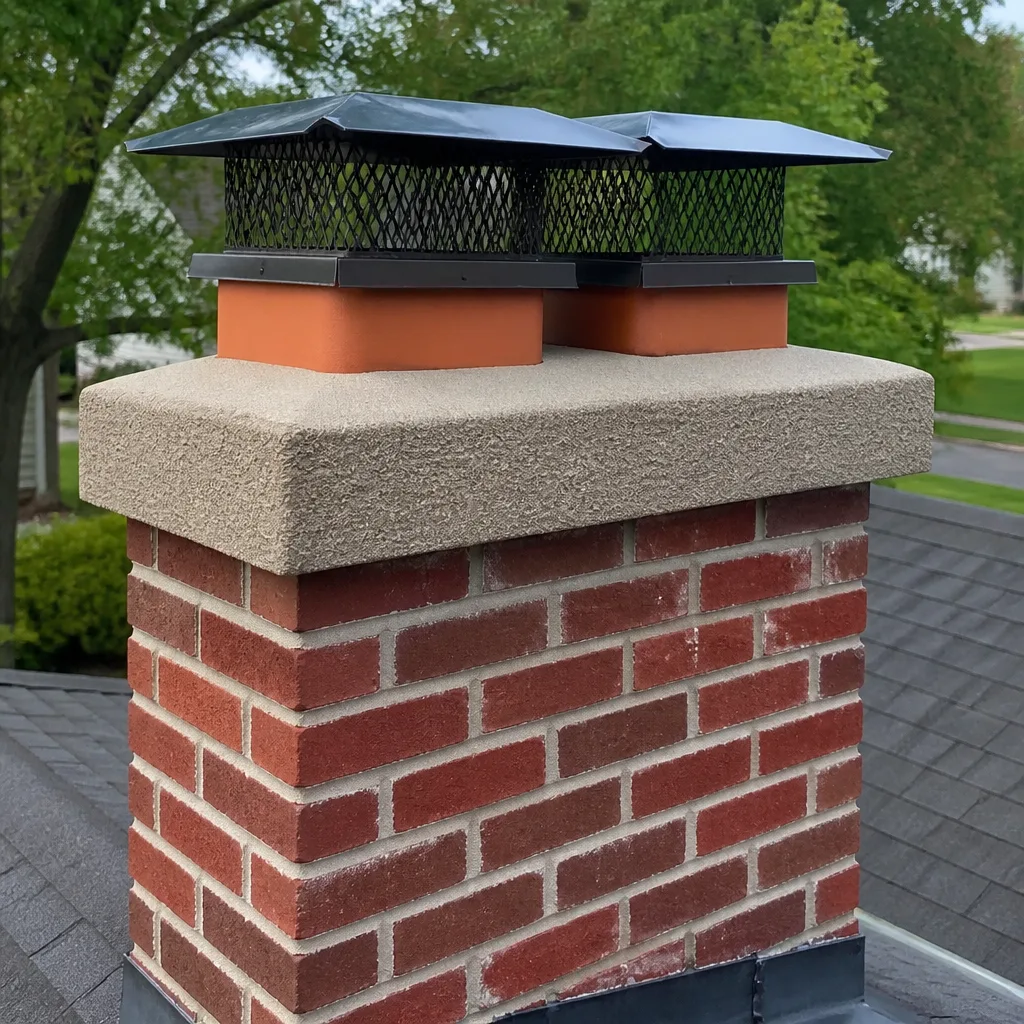
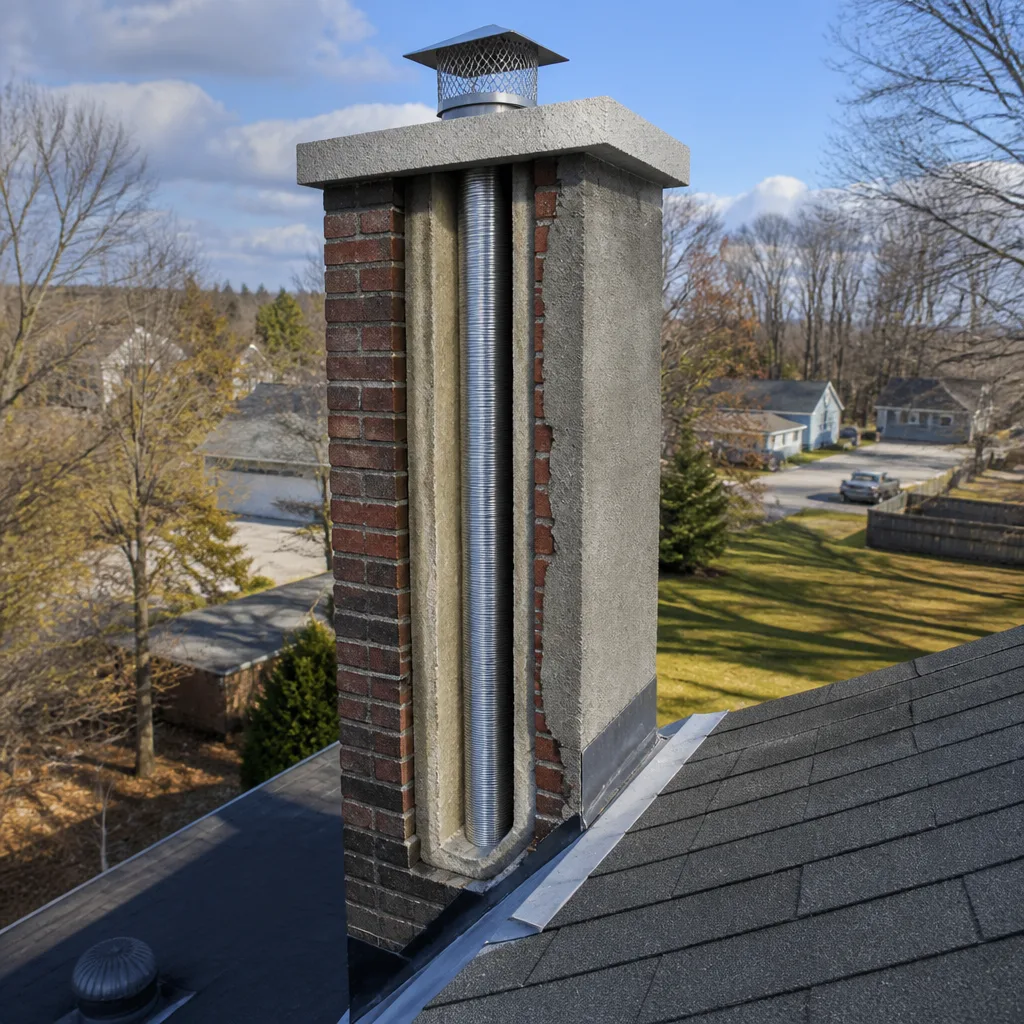
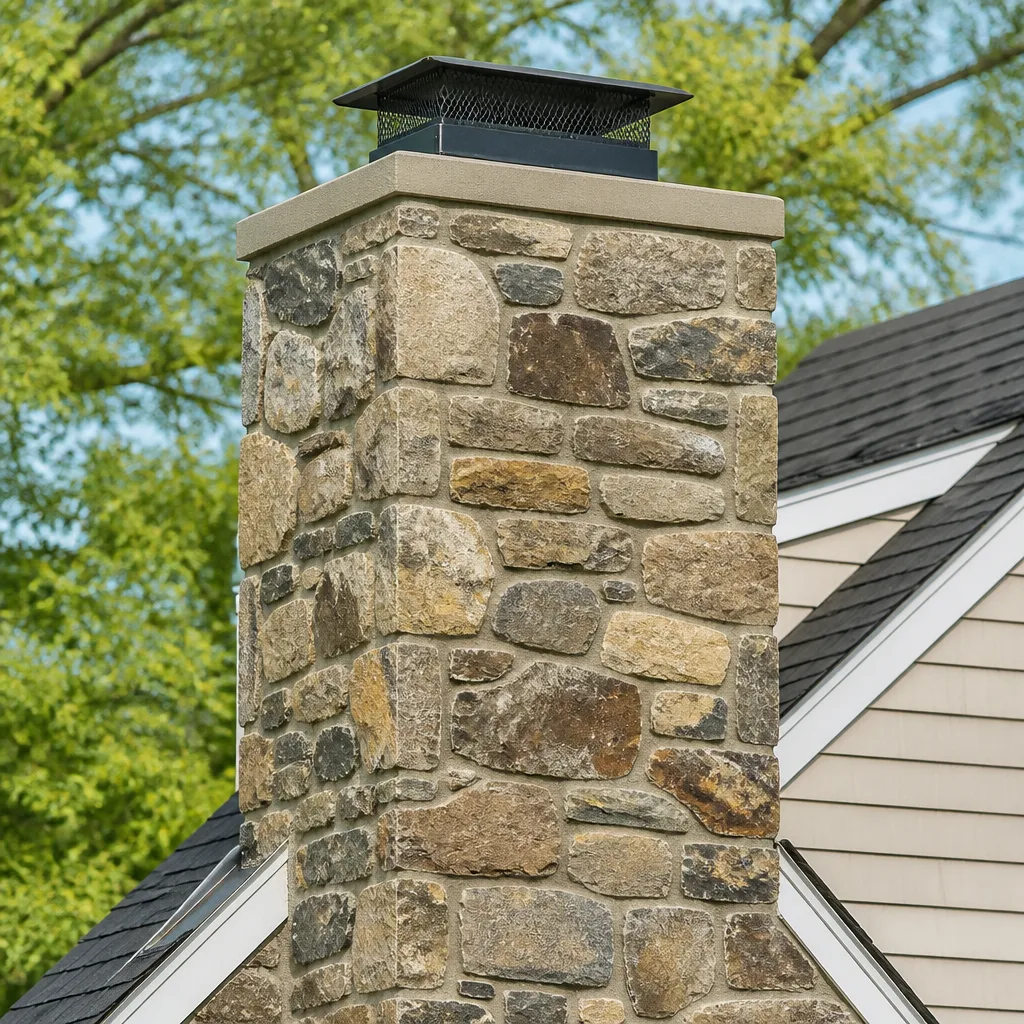
 Before
 After
After Before
 After
After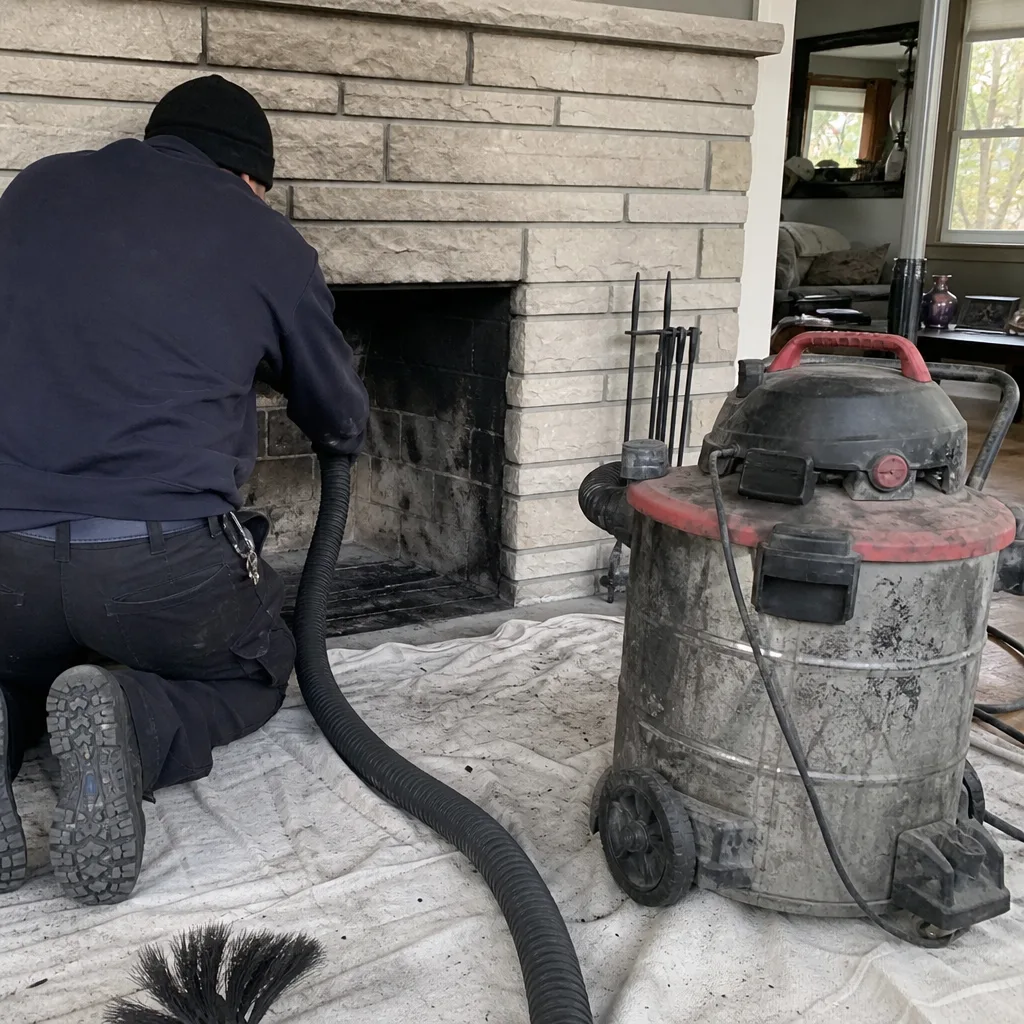 Before
 After
AfterHeatShield Flue Liner Replacement: The Commack Owner’s Guide
HeatShield flue liner replacement in Commack typically runs $1,800 to $3,400 installed, depending on the liner length, diameter, and the condition of what’s left in the flue. We stock HeatShield-compatible replacement liners on the truck for the most common sizes and can usually get the job scheduled within a few days, not weeks. Most owners find out their HeatShield liner has failed not from a dramatic event, but from a slow accumulation of small signs: a strange smell when the fireplace is lit, flaking pieces of ceramic in the firebox, or water staining on the ceiling near the chimney chase. By the time those signs show up in Commack’s wet winters and humid summers, the liner has usually been compromised for a while.
Here’s the thing about HeatShield liner systems: they’re a solid product when installed right, but they don’t last forever, and Long Island weather is harder on them than the product literature suggests. Freeze-thaw cycles, salt air off the Sound, and the simple reality that most Commack chimneys run hot fires with green wood from time to time all take their toll. We’ll walk you through exactly what fails, what it costs to fix it, and when you can safely hold off. If it does not need doing, I will be the first one to tell you.
Which HeatShield Models This Applies To
HeatShield has made several liner systems over the years, and the replacement path depends on which one you have. The original HeatShield and HeatShield II single-wall ceramic liners used a distinctive pebbled, tan-colored surface with visible seam lines between sections. The newer HeatShield 2000 and the HeatShield resurfacing systems (where the old flue is coated rather than lined) are a different animal entirely, and those need a different approach.
Here’s the compatibility gotcha most homeowners miss: HeatShield sectioned liners are not always cross-compatible between generations. A HeatShield II section won’t always seat properly into an original HeatShield system without a transition piece. If you have the original tan pebbled liner, you have more aftermarket options. If it’s the newer ceramic-fiber blend, stick with OEM-equivalent sections. The simplest way to identify what you have: look up from the firebox with a flashlight. The original systems have visible joint lines every 24 inches or so and a rough, almost sandpaper texture. The knock-off aftermarket sections we sometimes find in Commack chimneys are noticeably smoother and lighter, and they crack faster. We can usually tell what you have from photos, but Wendell Pike will confirm it on site before we quote anything.
Signs Your HeatShield Flue Liner Replacement Is Failing
- Ceramic flakes or grit in the firebox or on the damper. This is the most common first sign. The inner surface of a HeatShield liner starts to spall under repeated heating and cooling cycles, especially in Commack where winter fires run hot and the chimney stays cold on the outside. Small tan chips gathering on the smoke shelf mean the liner surface is breaking down. It will not get better on its own.
- A persistent smell of smoke or creosote upstairs, not just in the room with the fireplace. When liner sections crack or separate, smoke finds its way into the chase or wall cavity. In older Commack homes where the chimney is central to the house, that smell travels to bedrooms before it shows up anywhere else. It’s easy to blame the firewood. It’s usually the liner.
- Draft problems that get worse over time. A fireplace that used to draw well and now smokes back into the room on startup is telling you something. Cracked or collapsed liner sections narrow the flue path and break the draft. If opening a window helps, that’s a clue the liner is the restriction, not the house.
- Water staining on the ceiling or walls near the chimney, or rust on the firebox walls. A compromised liner lets combustion gases and moisture condense inside the chimney structure. In Commack’s shoulder seasons, when you’re burning less and the chimney is cold, condensation is worse. Stains show up where the condensate is migrating through the masonry or drywall.
- Visible cracks, gaps, or missing sections when you look up the flue with a flashlight. You can see a lot from the firebox with a decent light. Look for dark lines, offset sections, or areas where the liner surface looks different from the rest. If you see daylight through a crack, that’s an immediate stop-burning situation.
Replacement Cost & What’s Included
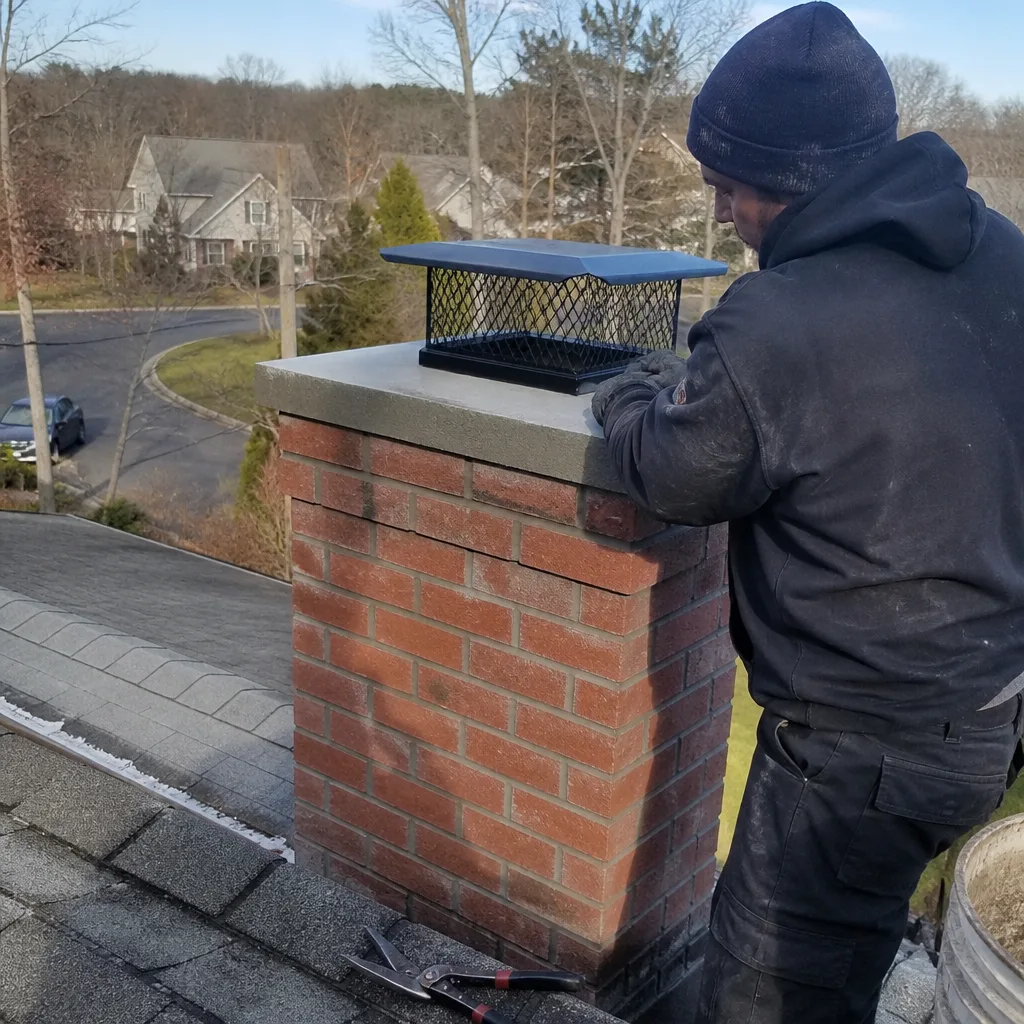
For a standard single-story Commack chimney with a 6-inch or 7-inch diameter HeatShield liner, a full replacement section swap runs $1,800 to $2,600. Two-story homes or steep rooflines push that to $2,400 to $3,400 because of longer liner runs and more time on the ladder. What drives the range: how many sections actually need replacing, whether we’re pulling the old liner or relining over it, and what the crown and cap look like while we’re up there. We’ll tell you if the cap can stay or if it’s time to replace it too, and we’ll show you the camera footage before we touch anything.
The number we quote before the job is the number on the invoice. No bait-and-switch, no surprise add-ons when the job’s already open. Parts and labor are spelled out in the proposal, and every HeatShield replacement we install is backed by our 90-Day Done Right Promise in writing. If something’s not right, one call brings us back. Free estimates in Commack and no trip charge inside our own service county, plus 10% off always for seniors and veterans, and $40 off any repair over $200. You won’t need to remember all that. It’s just how we’ve worked since 1999.
DIY or Call Us?
You can diagnose a lot from the ground. Shine a light up the flue, look for cracks and displaced sections, check the firebox for debris. You can measure the visible liner diameter with a tape measure if a section is accessible at the cleanout. What you cannot safely do is pull and replace flue liner sections from inside the house or from the roof without the right equipment and experience. The liner sections are heavy, awkward under tension, and they’re sitting inside a masonry or wood chase that can hide structural problems you won’t see until you’re in there. We have done enough of these in Commack to know that the liner is rarely the only thing that needs attention once you’re looking at it from the top.
And honestly, this is not a job that tolerates mistakes. A liner that’s not seated or secured properly is a carbon monoxide risk. We have pulled quite a few DIY replacements back out of flues in Suffolk County, and the story is always the same: it looked straightforward from the ground. If you want to check the basics and clean the firebox, go ahead. But when it comes time to actually replace the liner, it’s a one-day job for us and a genuinely risky weekend for you. Call (631) 502-3612 and we’ll give you a straight answer on what you actually need.
FAQs
A properly installed HeatShield liner in a well-maintained Commack chimney typically lasts 15 to 20 years, but the real lifespan depends on burn habits and moisture. Chimneys in Commack that see heavy winter fires and hot burns every year lose their liners faster. We have replaced HeatShield sections at 12 years and we have seen 25-year-old liners that still pass inspection. The only way to know where yours stands is a camera look. Call us at (631) 502-3612 for a free estimate.
Sometimes yes, but not always. Small cracks in a section that’s otherwise solid can be sealed with a high-temperature ceramic patch, but that’s a temporary fix, typically good for a season or two at most. If the section is spalling, separated at the joint, or cracked through the wall, replacement is the only right answer. We’ll show you the camera view and tell you which one you’re looking at.
Most single-story HeatShield liner replacements in Commack are done in one day, start to finish. Two-story chimneys with long runs can run into a second day. We give you a real arrival window and we call if anything slips, which is rare.
We stock the most common HeatShield-compatible sizes on the truck: 6-inch and 7-inch diameter sections in the standard lengths. If you have an unusual size or the older original-series liner, we’ll get the right sections before we schedule the job so you’re not waiting around. We also work with DuraFlex and Gelco liner systems, so if a different liner makes better sense for your chimney, we’ll say so.
If your HeatShield liner is showing signs of trouble, or if you just want a second opinion on a quote someone gave you, call (631) 502-3612. Wendell and his crew will come out, show you what’s actually going on in there, and tell you plainly if it needs fixing now or can wait. Free estimate, no trip charge in our service county, and the same honest answer we have been giving Commack homeowners for over 29 years.
Written by Wendell Pike, Owner, Top Hat Chimney at Top Hat Chimney, serving Commack and nearby areas.