
Level 1 sweep and inspection to the NFPA 211 annual standard - flue, crown, cap, and flashing checked and photographed
Chimney sweep logs do not sweep chimneys. They loosen some creosote - which then falls where a brush and vacuum still have to collect it.
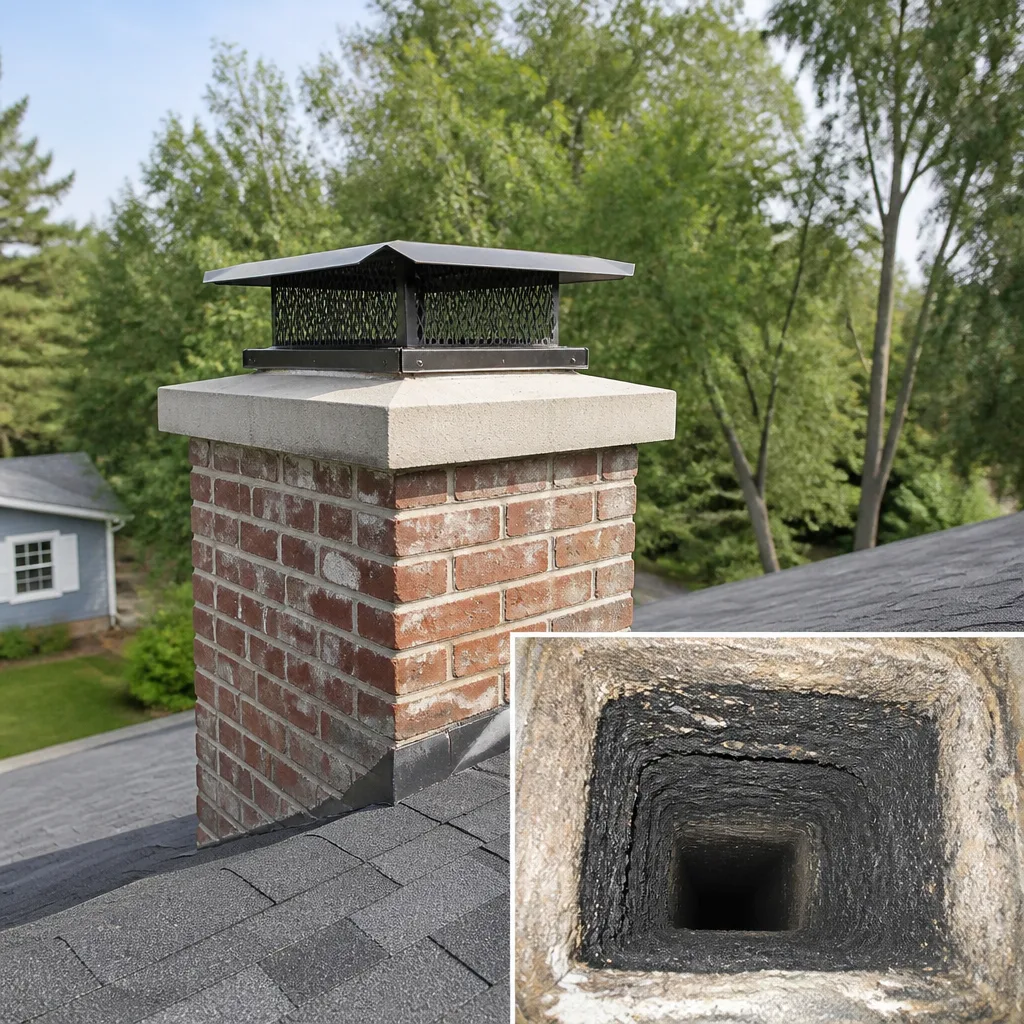
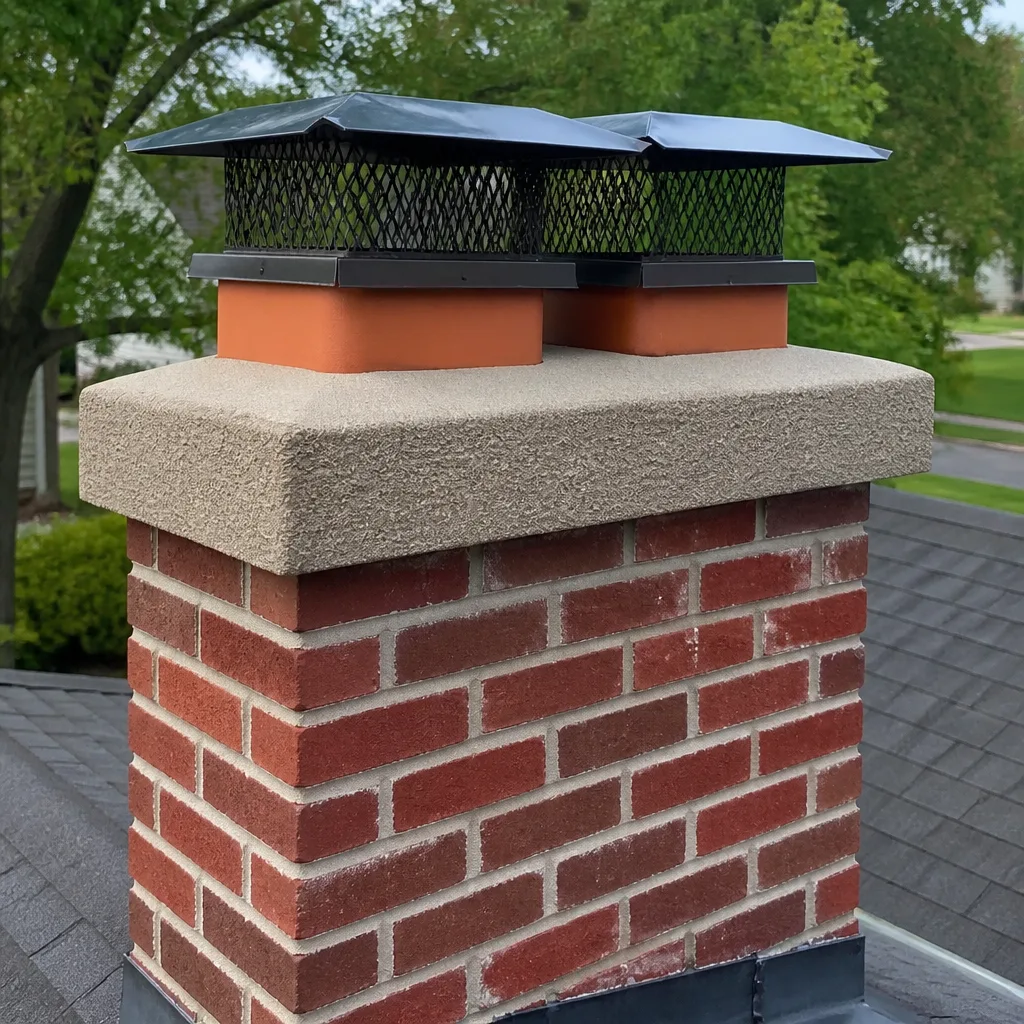
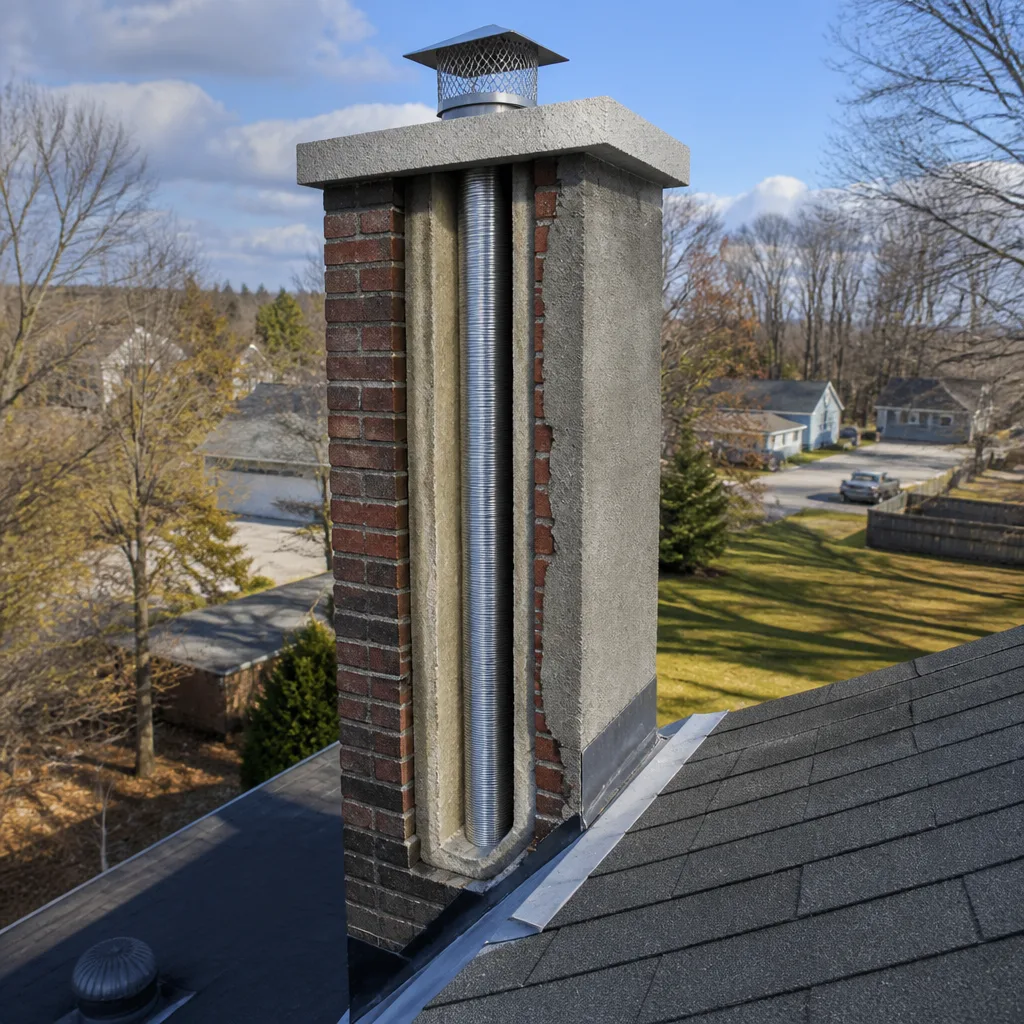
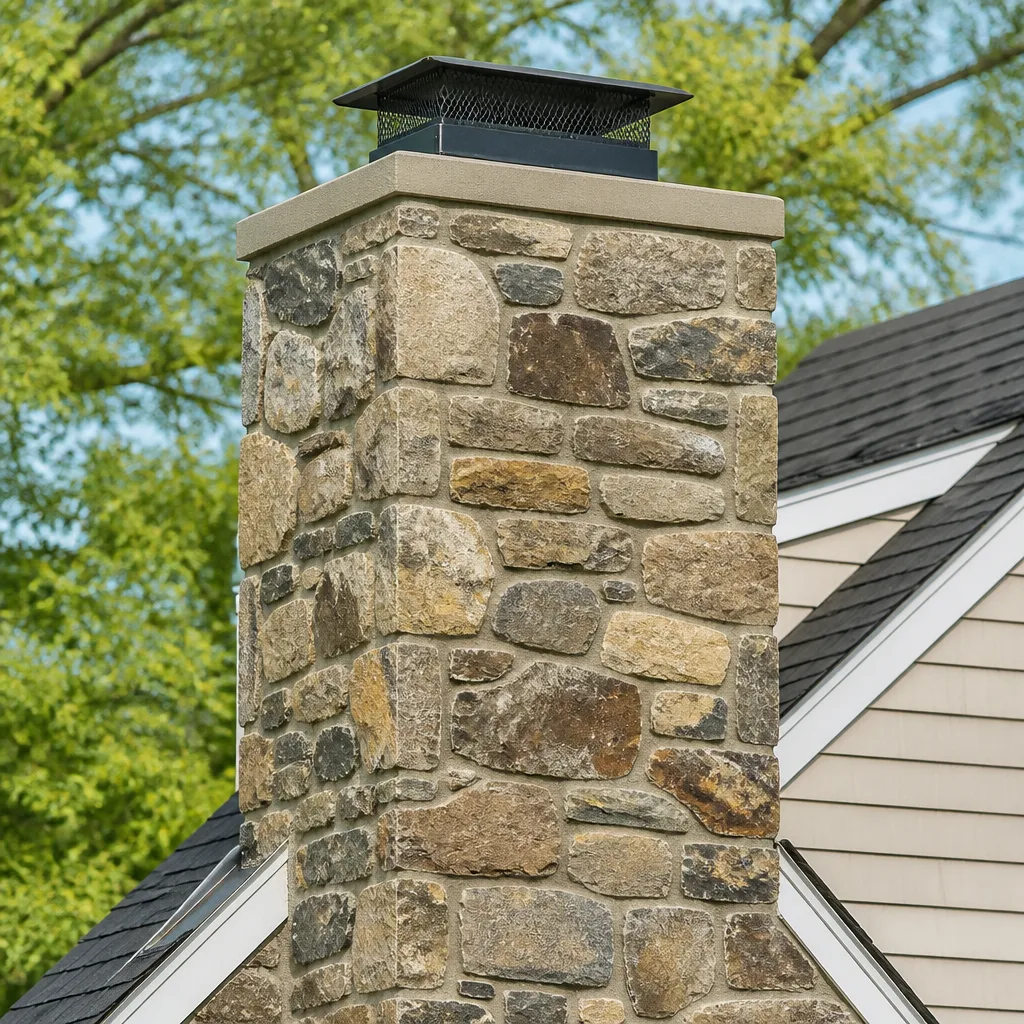
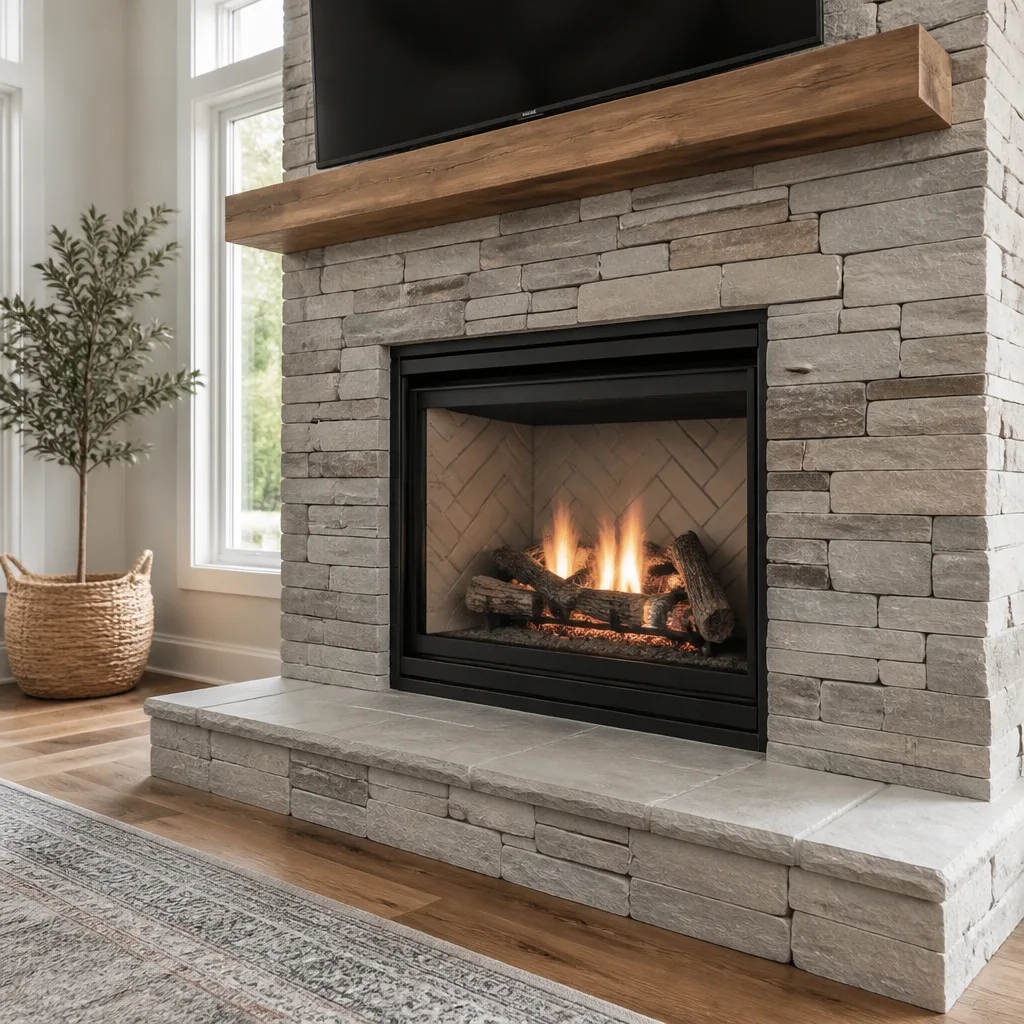
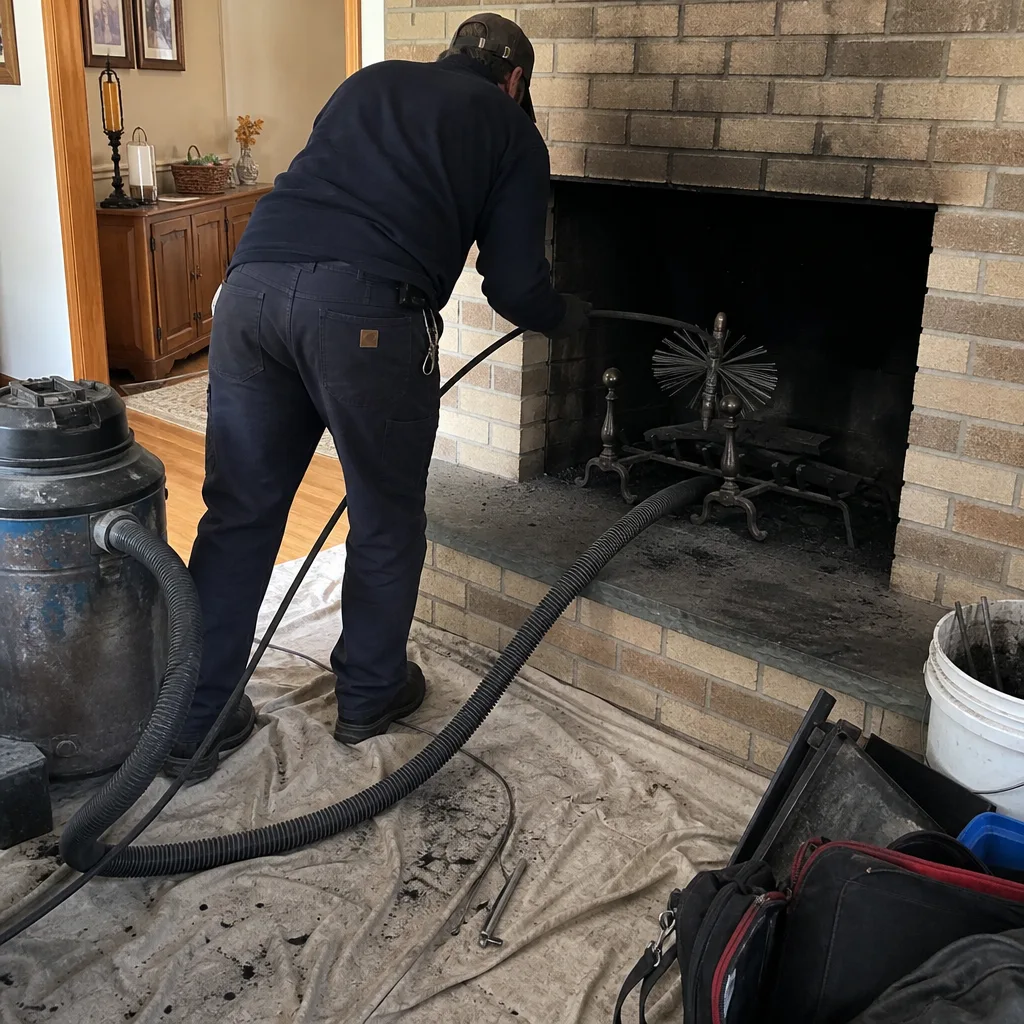 Before
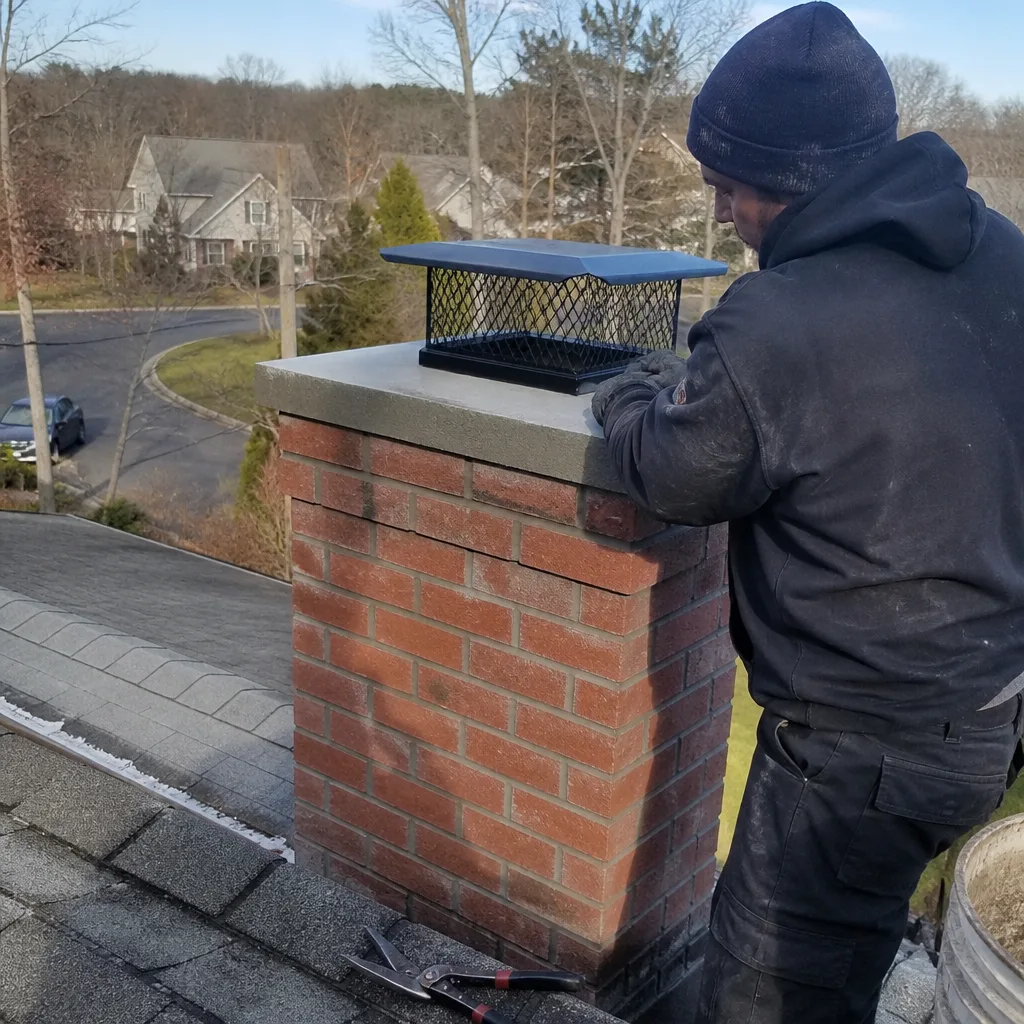 After
After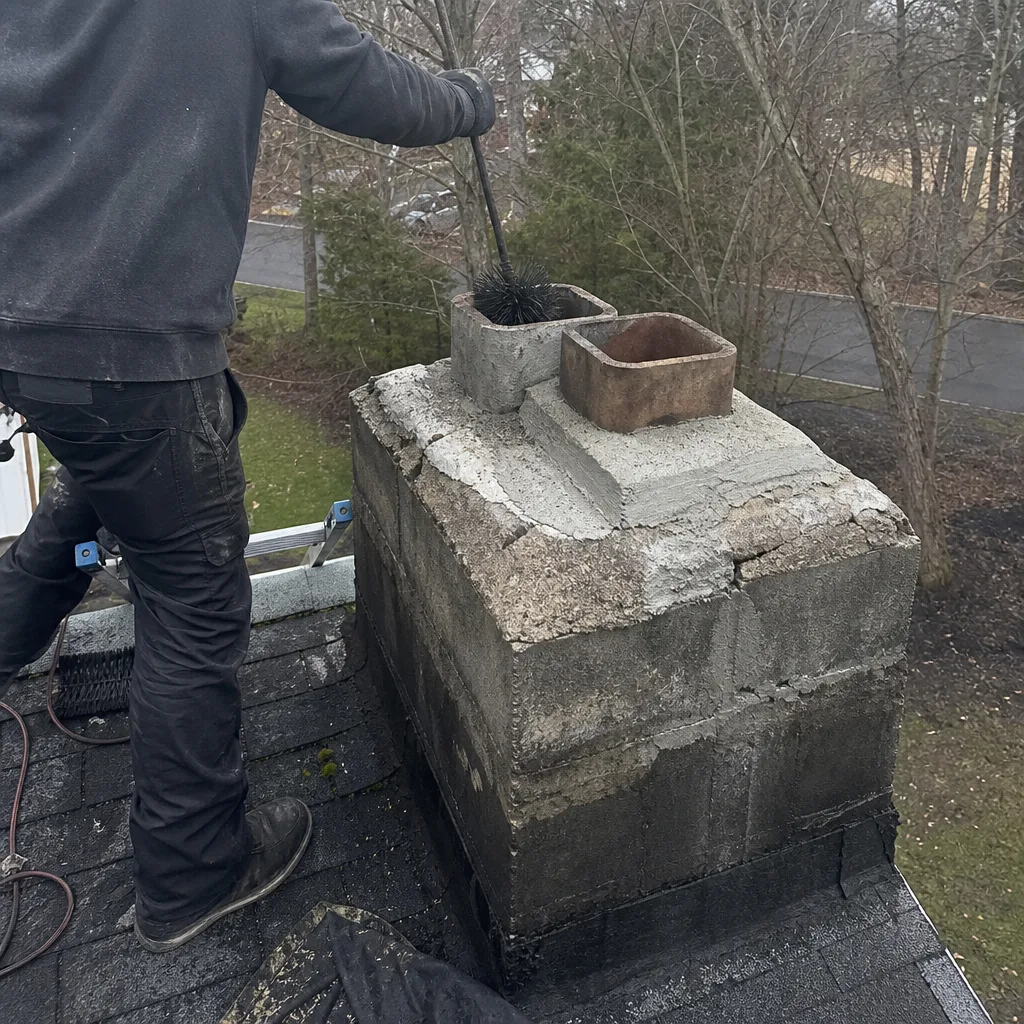 Before
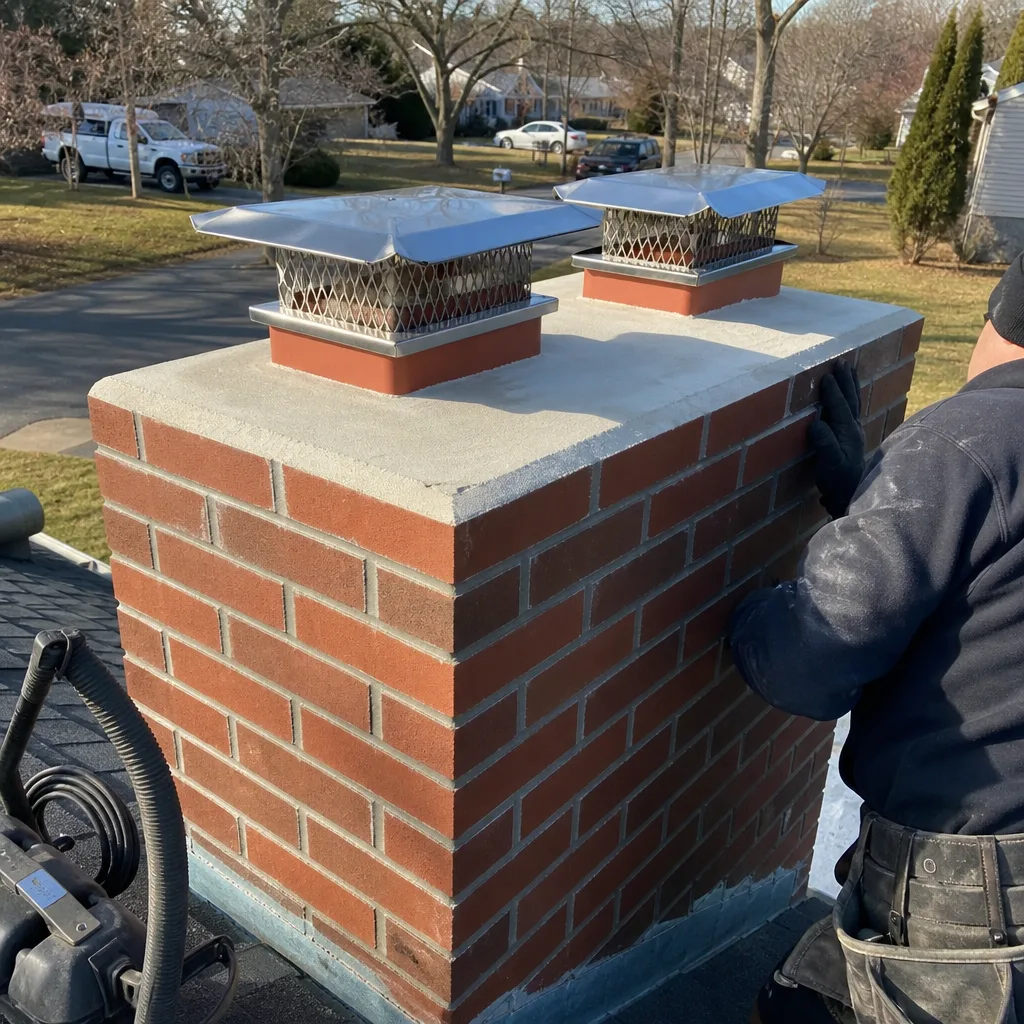 After
After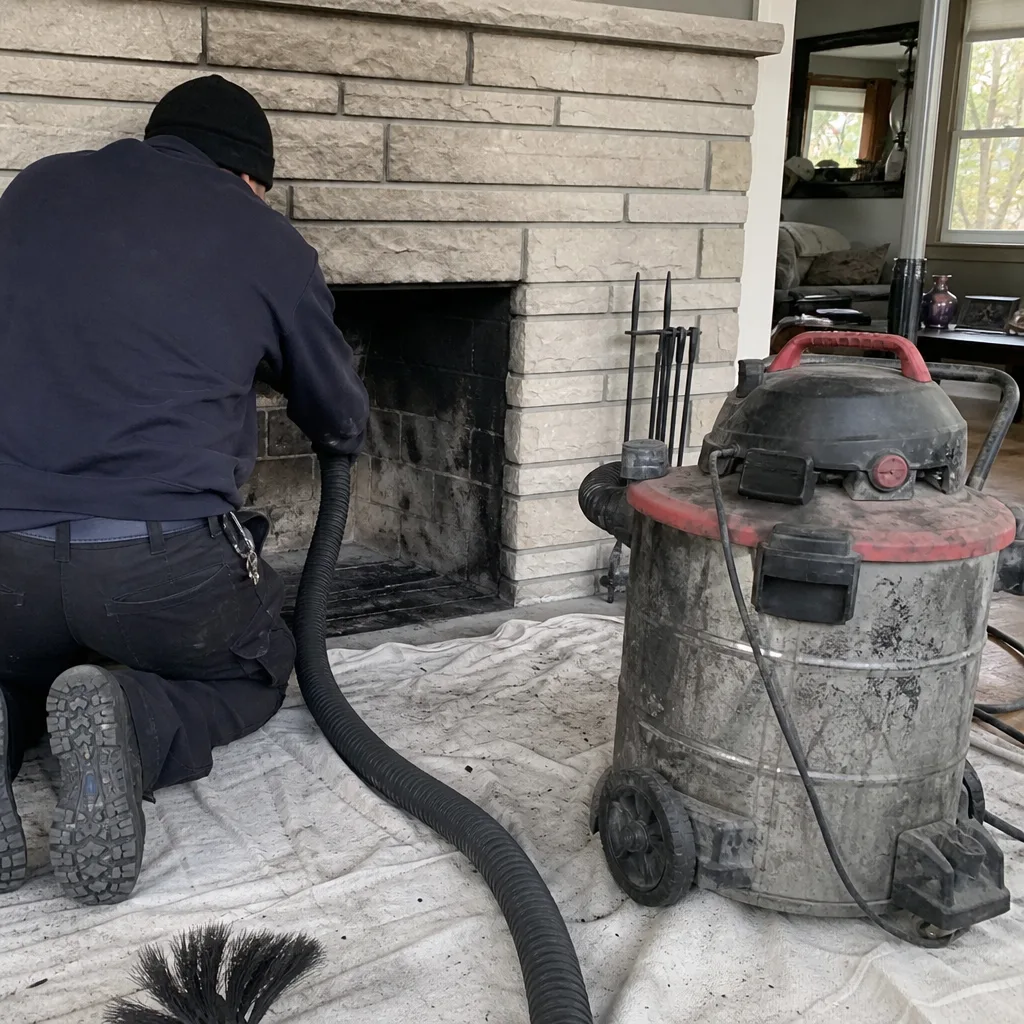 Before
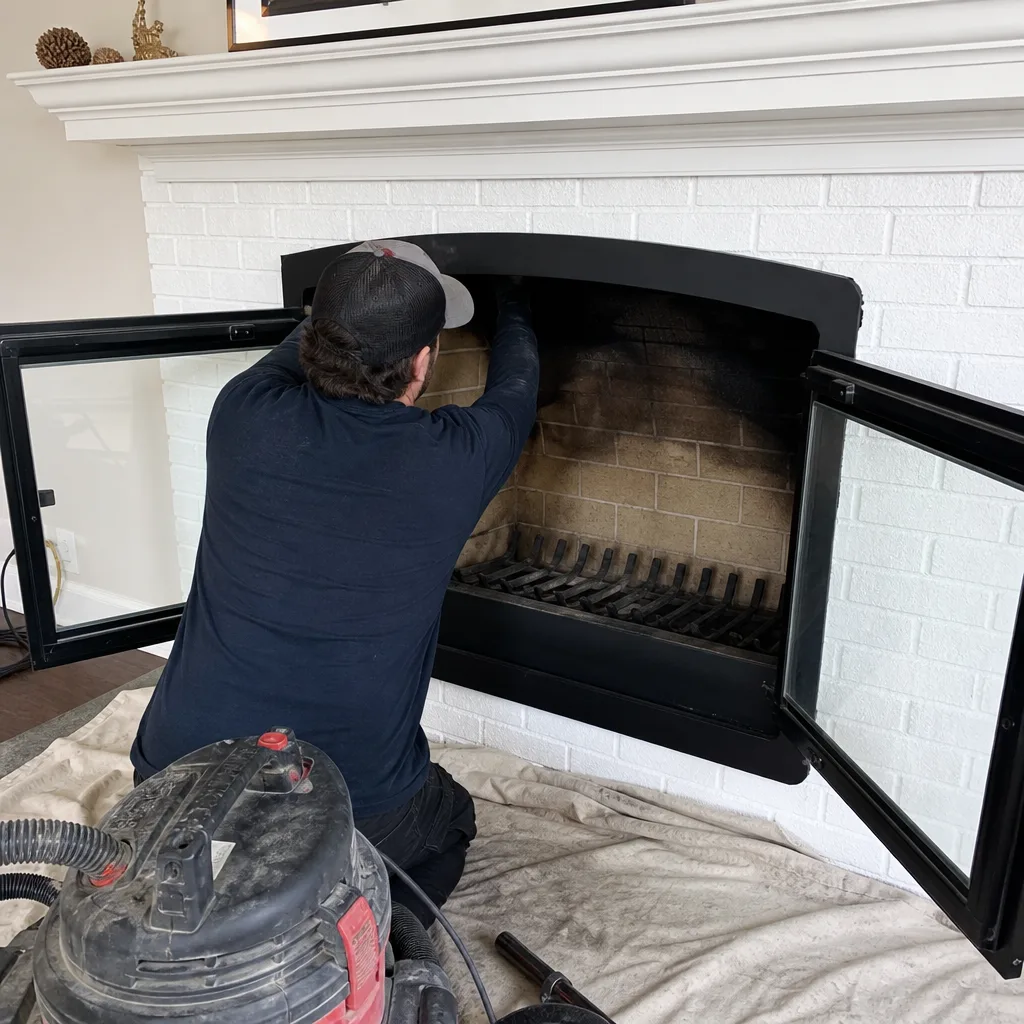 After
AfterSoot Removal in Commack, NY
Soot removal in Commack typically costs between $120 and $280 depending on buildup severity, flue size, and how long it has been since the last cleaning. Most jobs are completed in a single visit, and we schedule same-day or next-day appointments more often than not. If you are smelling smoke in a room where the damper is closed, seeing black dust around your firebox, or noticing a sooty film on the glass, soot has already started working its way out of the flue – and that means it’s time to call.
Wendell Pike has been crawling through chimneys in Commack and across Suffolk County since 1999. In that time he’s pulled soot out of everything from 1960s brick colonials on Weatherstone Drive to newer construction near Hobart Road that burns wood two months a year and still manages to build up a meaningful layer inside the liner. Soot is quiet. It accumulates slowly, doesn’t set off alarms, and most homeowners have no idea how much is up there until a Chimney Cleaning & Sweep services professional shines a light inside.
Top Hat Chimney handles soot removal as part of our full Chimney Cleaning & Sweep in Commack service. If you want to talk through what you’re seeing before scheduling anything, call us at (631) 502-3612 – a real person picks up, any hour of the day, and it may well be Wendell himself.
When You Need Soot Removal
A few situations make soot removal urgent rather than optional. If any of these sound familiar, it’s worth getting someone up there sooner rather than later.
- Smoke smell when the fireplace isn’t in use. This almost always means soot or creosote has built up to the point where odor is migrating back through the damper, especially on humid Long Island summers when the air pressure inside the flue shifts.
- Black dust or residue around the firebox or hearth. Fine soot particles settle out of the flue column and drift back into the room. In Commack homes with tight modern weatherstripping, this shows up as black streaking on hearth tile or a gray film on nearby furniture.
- Sooty glass on a gas or wood-burning fireplace insert. Some soot on glass is normal with wood fires, but heavy, persistent blackening means incomplete combustion – either the wood is too wet, the air supply is restricted, or the flue draw is weak. Cleaning removes the symptom; we also tell you the cause.
- It’s been more than 12 months since the last cleaning. NFPA 211 recommends annual inspection and cleaning regardless of how much you burned. Chimneys in Suffolk County sit through wet springs and humid summers that loosen mortar and let moisture inside – off-season damage is real, and soot compounds it.
- You’re buying or selling a home. Commack’s real estate market moves fast enough that sellers often skip chimney disclosure. A soot inspection before closing costs far less than a negotiation after one.
- You switched fuel types or installed a new insert. Gas appliances produce a fine, oily soot that behaves differently from wood soot and requires slightly different cleaning technique. If you converted your fireplace in the last year or two, the old residue needs to come out first.
Our Soot Removal Process
We don’t show up, run a brush through once, and call it done. Here’s what actually happens when Wendell or one of his crew arrives at your door in Commack.
- Arrival and setup. The sweep arrives in a marked truck in the window you were given – and calls if that window slips for any reason. Drop cloths go down over the hearth and surrounding floor before any tool comes off the truck. Uniforms, background checks, and a clean job site are not extras here; they’re standard.
- Camera inspection first. Before any cleaning starts, we run a video camera down the flue. This tells us what type of soot we’re dealing with (light first-degree film versus heavier Stage 2 buildup), whether there’s any creosote glazing mixed in, and whether there are any cracks or liner issues that affect how we approach the job. You see the footage. We give you a plain-English read of what it shows.
- Upfront pricing before work begins. Once we know what’s up there, we give you a firm number. The price you hear before we start is the price on the invoice. Full stop.
- Mechanical cleaning of the flue. We use professional-grade rotary brushes sized for your specific liner – whether that’s a traditional clay tile flue, a DuraFlex stainless steel liner, or a Copperfield flex system that was installed as part of an insert conversion. Brushes work from both ends when needed, and all debris is contained inside the firebox through the drop cloth setup.
- Firebox and smoke shelf cleaning. The smoke shelf – the horizontal surface just above the damper – catches an enormous amount of soot that most homeowners never know exists. We clean it every time, because ignoring it means the next fire pushes that debris back into the room.
- Post-clean inspection and debrief. After the flue is clear, the camera goes back in to confirm the result. We walk you through what we found, what we did, and whether there’s anything to watch. If we saw something during the inspection that warrants a repair, we tell you straight, give you a written estimate, and let you decide. No pressure, no upsell theater.
Every completed job – soot removal included – is backed by the 90-Day Done Right Promise. If the cleaning doesn’t hold up or something was missed, one call brings the crew back at no additional cost. That’s in writing on every invoice.
Soot Removal Pricing in Commack
Soot removal in Commack costs between $120 and $280 for most standard residential jobs. That range covers single-flue wood-burning fireplaces with typical annual buildup. Here’s what moves the number up or down:
| Situation | Typical Price Range |
|---|---|
| Standard single-flue cleaning, light to moderate soot | $120 – $180 |
| Heavy soot buildup, 2+ years since last cleaning | $180 – $240 |
| Gas insert or oil appliance flue (fine, oily soot) | $150 – $220 |
| Second flue or double-sided fireplace | Add $80 – $120 per additional flue |
| Mixed soot and Stage 1-2 creosote, additional treatment needed | $200 – $280+ |
| Camera inspection included with cleaning | No additional charge |
A few things worth saying plainly: We don’t charge a trip fee for jobs inside the county. Seniors and veterans get 10% off, always. If your soot removal reveals a repair – a cracked tile, a damaged smoke shelf, a deteriorating mortar joint – and that repair runs over $200, you get $40 off that work automatically. And if you’ve already gotten a written estimate from someone else, we’ll give you a second opinion at no cost.
Estimates are free and carry no obligation. Call (631) 502-3612 and we’ll tell you what we expect before we ever see your chimney, then confirm the price once we do.
Why Soot Builds Up Faster Than You Expect
Commack sits far enough inland that it doesn’t get the salt air problems you find along the South Shore, but it’s still Long Island – and Long Island winters involve a lot of cold, damp mornings that tempt people into low fires. A slow, smoldering fire that never reaches a good burn temperature is the fastest way to coat a flue with soot and soft creosote. The wood doesn’t fully combust, the gases cool before they exit the chimney, and the residue condenses on the liner walls.
We see this pattern constantly in the neighborhoods north of Jericho Turnpike, where older wood-burning fireplaces get used occasionally rather than regularly. An occasional user who burns wet or unseasoned wood can deposit as much soot in two months as a daily burner does in a full season of properly dried hardwood. Chimney length matters too – the taller colonials and cape-style homes common around Kings Park Road have longer flues that cool the gases more before they exit, which means more condensation and more soot.
None of this is the homeowner’s fault. It’s just physics. What matters is catching it before Stage 2 creosote sets in on top of the soot layer, because once that glaze forms it takes chemical treatment and significantly more labor to remove. First-degree soot is a brush job. Third-degree is a different conversation entirely, and the cost reflects it.
Soot vs. Creosote: What’s the Difference?
People use the words interchangeably, but they’re not the same thing and they don’t behave the same way.
Soot is the loose, powdery byproduct of any combustion – wood, gas, or oil. It’s dark gray to black, it brushes off easily, and it’s the primary thing a standard chimney cleaning removes. Left alone, soot creates odor, restricts airflow, and can back up into the living space during certain weather conditions. It’s also mildly corrosive to mortar and tile over time.
Creosote is what happens when wood smoke condenses on the liner walls. It goes through stages: Stage 1 is a light, dusty deposit not unlike heavy soot; Stage 2 is a flaky, tar-like coating; Stage 3 is a hardened glaze that bonds to the liner and is extremely difficult to remove. Stage 3 creosote is also the primary fuel in most chimney fires. Soot can coexist with any stage of creosote, and in many Commack chimneys we find both together – soot on the inner surface, creosote glazing on top.
The camera inspection we run before every cleaning tells us exactly which we’re dealing with. That’s not a luxury – it’s how you avoid paying for a standard brush job on a flue that actually needs chemical treatment.
Soot Removal as Part of Annual Chimney Maintenance
Soot removal isn’t a standalone event in most cases – it’s part of an annual cleaning that also checks the cap, crown, damper, and liner condition. Our full home service overview explains what a complete chimney inspection involves, but for the fireplace side of things, soot removal and sweeping go together. You don’t want to inspect a flue full of soot, and you don’t want to clean a flue without checking the condition of what’s underneath.
An Annual Sweep is the right cadence, burn or no burn. That’s not a sales pitch – it’s the NFPA standard and it’s what Wendell tells his own neighbors when they ask at the hardware store. Chimneys in Commack sit through freeze-thaw cycles every winter that stress mortar joints and tile liners. Summer humidity gets inside and does its own damage. The best time to catch a problem is before it shows up as a draft issue, a smoke odor, or water coming through the firebox.
FAQs – Soot Removal in Commack
How much does soot removal cost in Commack?
How Much Does Chimney Cleaning & Sweep Cost? (2026 Price Guide) - Commack, NY: Soot removal runs $120 to $280 for most single-flue residential fireplaces, with the final number depending on how long it’s been since the last cleaning, what type of appliance you have, and whether any creosote has layered on top of the soot. The camera inspection is included in the cleaning price – it’s not an add-on. Call (631) 502-3612 for a free estimate before we start any work.
Is soot in my chimney dangerous?
Soot itself is not immediately dangerous the way a Stage 3 creosote buildup is, but it’s not harmless either. Heavy soot restricts airflow, which forces carbon monoxide and smoke back into your living space. It’s also mildly corrosive to mortar and clay tile over years of accumulation. The bigger concern is what soot can hide – early-stage creosote and hairline cracks in the liner that only show up on camera. Soot is a reason to call, not a reason to panic, but don’t leave it alone.
Can I remove chimney soot myself?
You can sweep a light soot deposit off the firebox walls and smoke shelf with a stiff brush and a vacuum rated for fine ash – but that only addresses what you can see and reach. The flue itself, from the smoke chamber up through the liner, requires rotary brushes on extension rods and the right containment setup to avoid coating your living room in fine black dust. More practically, cleaning without a camera inspection first means you’re working blind. If there’s a crack or a creosote layer under the soot, you won’t know until it becomes a fire or a smoke problem. For anything beyond wiping down the firebox, call a sweep.
How often does soot need to be removed from a chimney?
Once a year, at minimum. NFPA 211 calls for annual inspection and cleaning, and Wendell’s standard advice – the same he gives people who call just to ask – is that frequency holds even if you only burned six or eight times last season. Moisture, animals, and mortar wear all happen whether the fireplace ran or not. If you burned heavily, burned green wood, or noticed draft problems, schedule the cleaning before the next fire season, not after.
Key Takeaways
- Soot removal in Commack typically costs $120 to $280, depending on buildup, flue length, and appliance type.
- Camera inspection is included with every cleaning – you see what’s in the flue before a brush touches it.
- Soot and creosote are different; treating them the same way leads to incomplete cleaning and missed hazards.
- Annual cleaning is the right schedule regardless of how often you burned.
- Top Hat Chimney has worked Commack and the surrounding communities since 1999 – Wendell backs every job with the 90-Day Done Right Promise in writing.
- Seniors and veterans always get 10% off. No trip charge inside the county.
- The number you hear on the phone is the number on the invoice.
Schedule Soot Removal in Commack Today
If your fireplace is overdue for a cleaning, or you’re just not sure what’s up there, search Chimney Cleaning & Sweep Near Me in Commack, NY and call Top Hat Chimney at (631) 502-3612. A real person picks up every call – day or night – and we’ll give you an honest estimate before any work begins. No trip charge inside the county, no voicemail boxes, no price changes at the door. Wendell has been at this in Commack long enough that your neighbor has probably already called him. If you want the same straight deal, we’re ready when you are.
Written by Wendell Pike, Owner at Top Hat Chimney, serving Commack since 1999.