
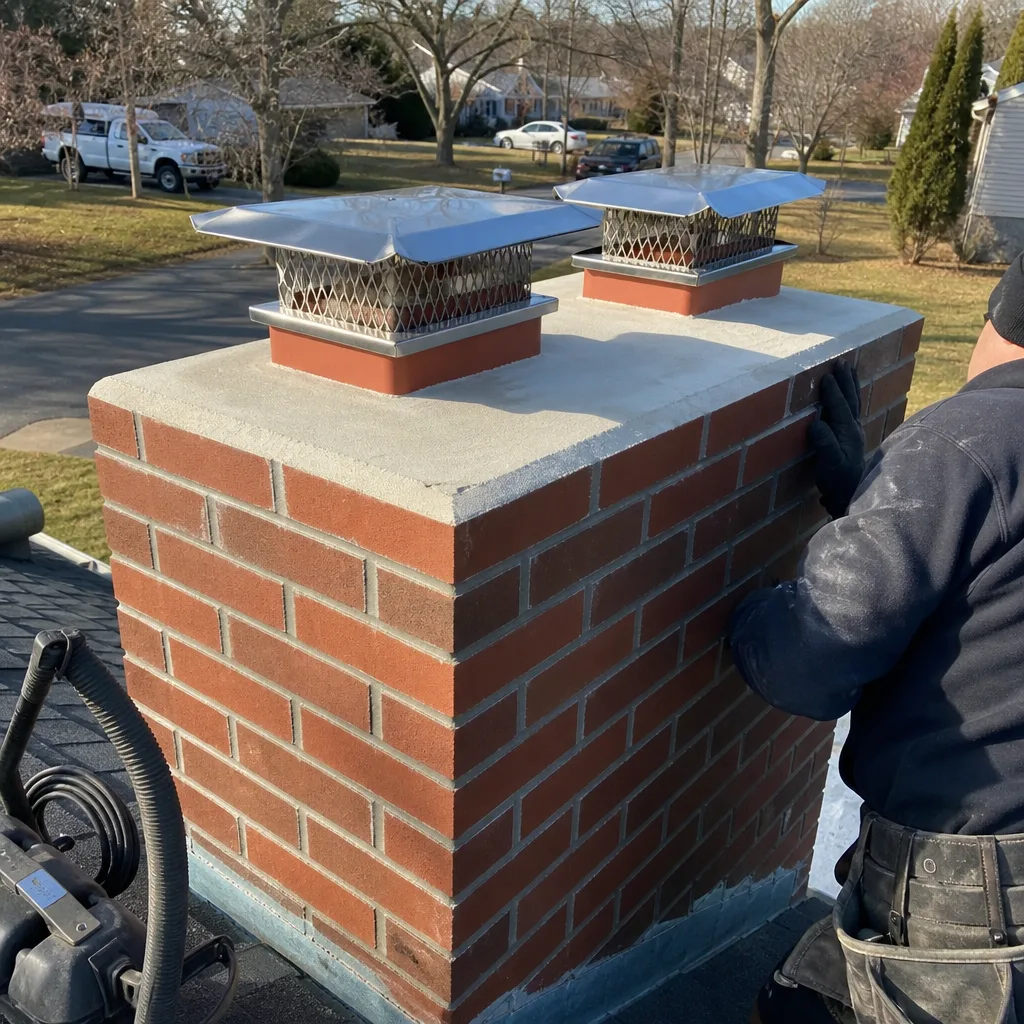
Level 1 sweep and inspection to the NFPA 211 annual standard - flue, crown, cap, and flashing checked and photographed
Chimney sweep logs do not sweep chimneys. They loosen some creosote - which then falls where a brush and vacuum still have to collect it.
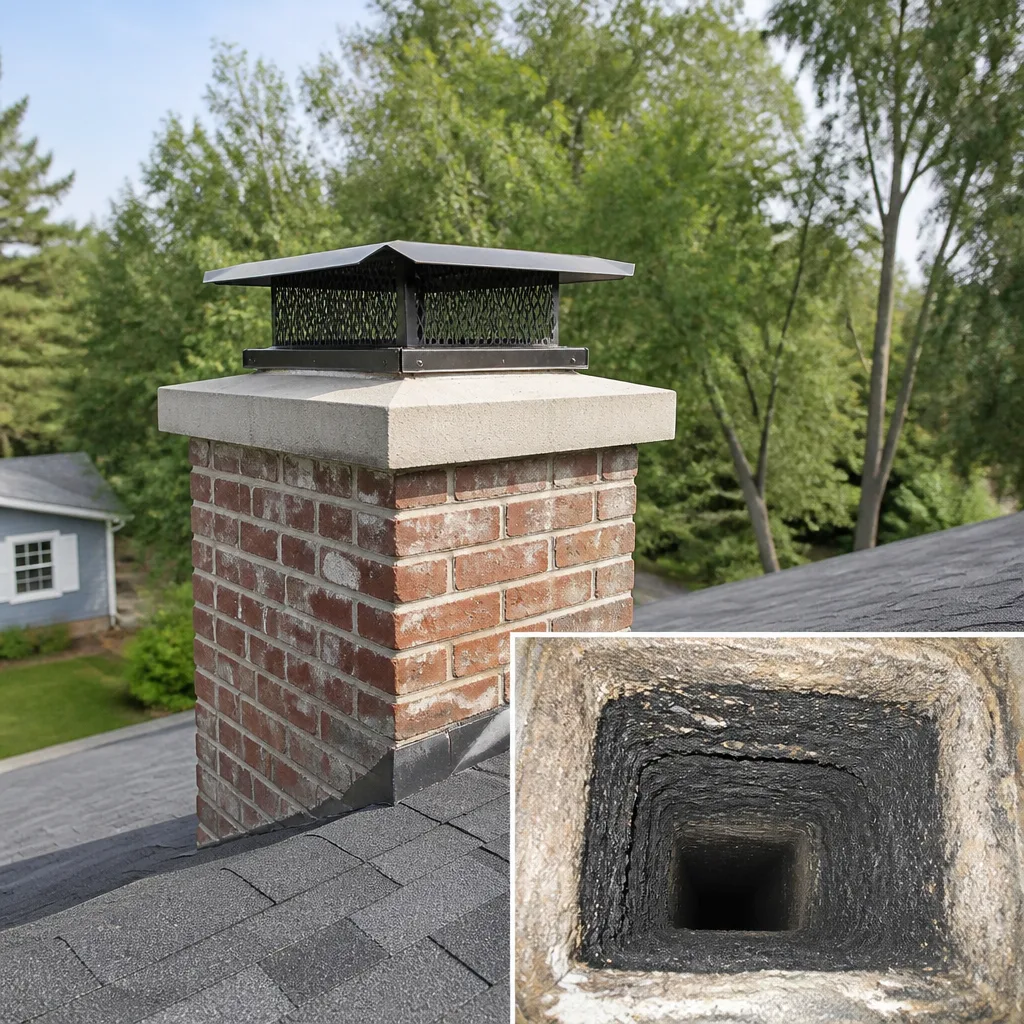
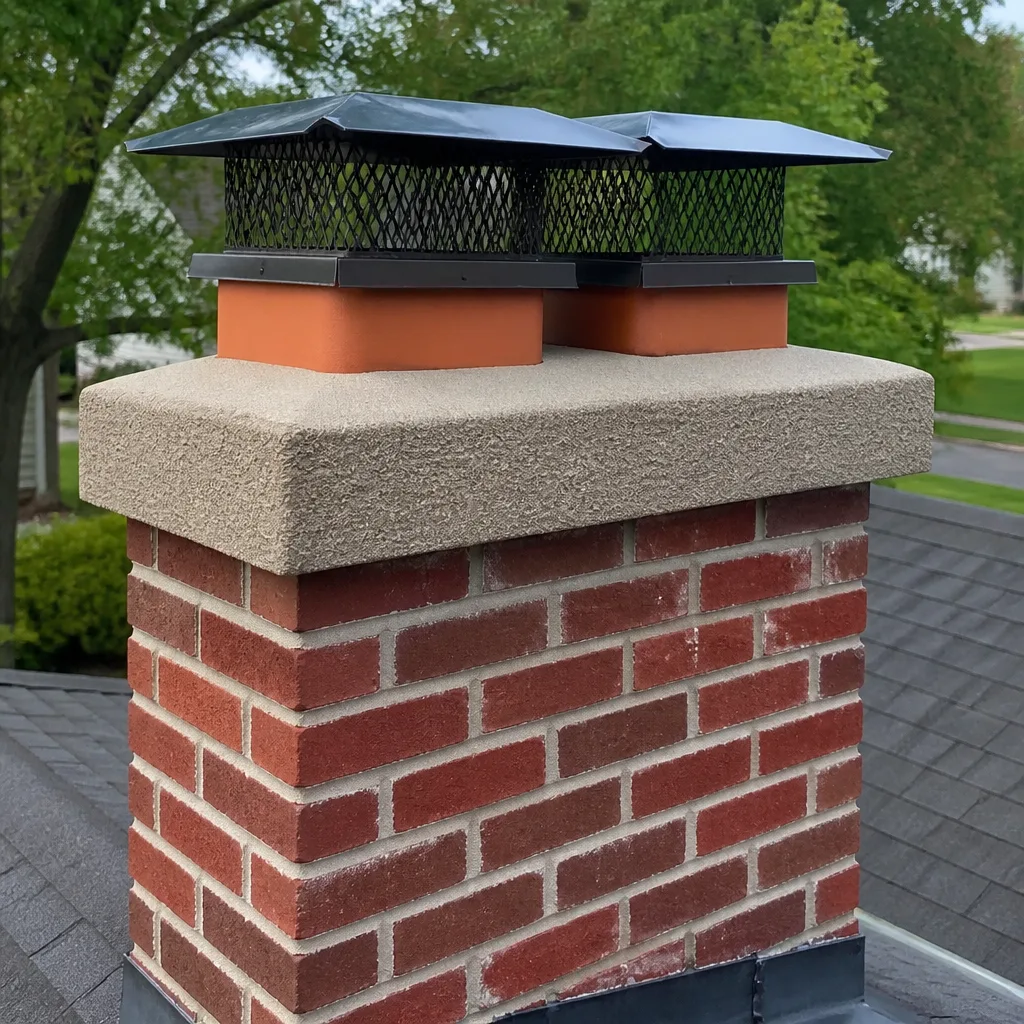
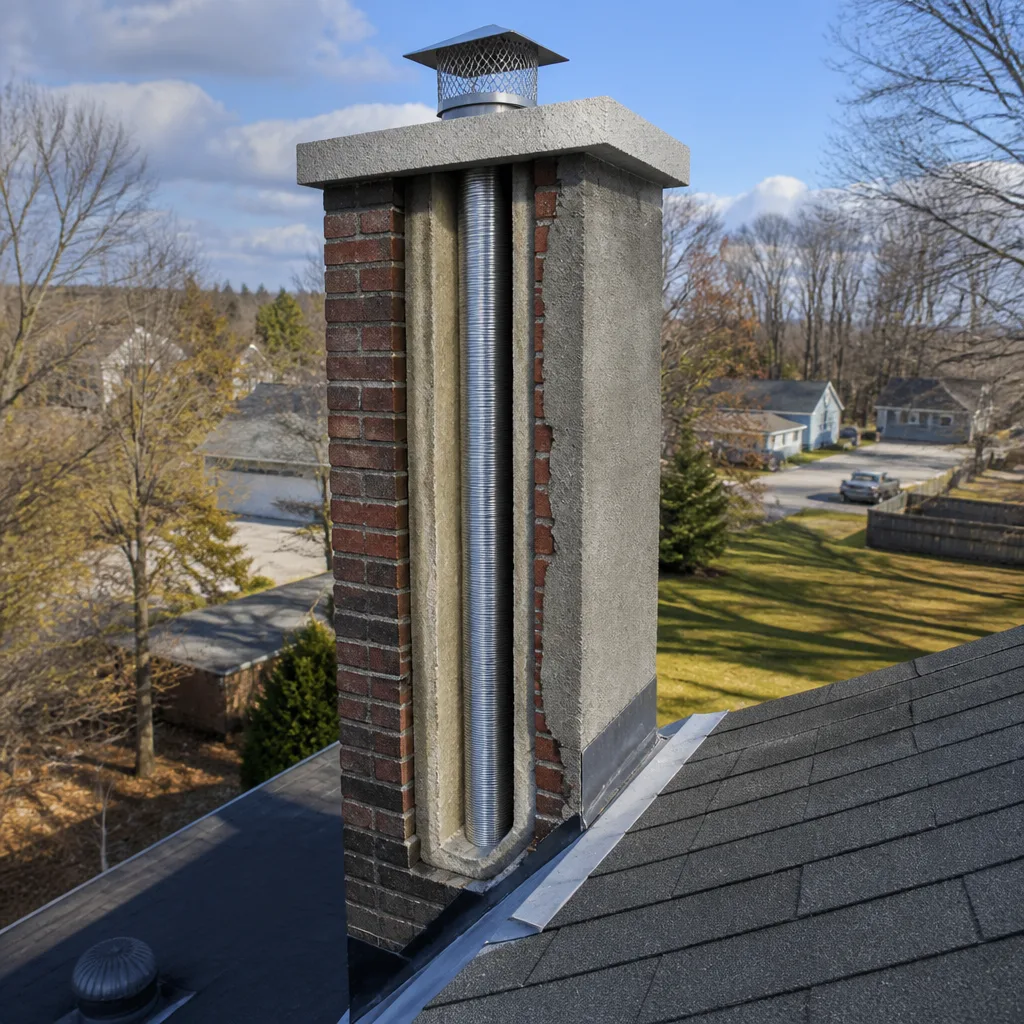
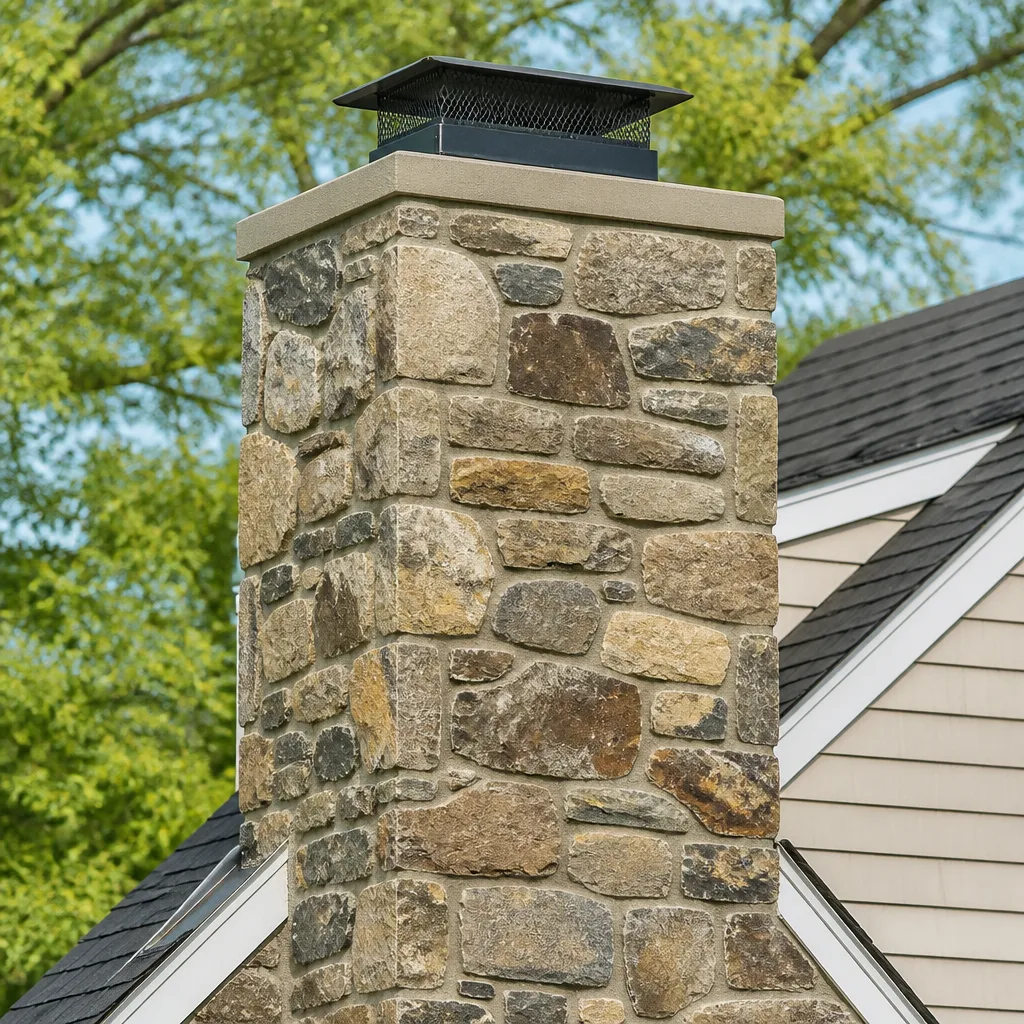
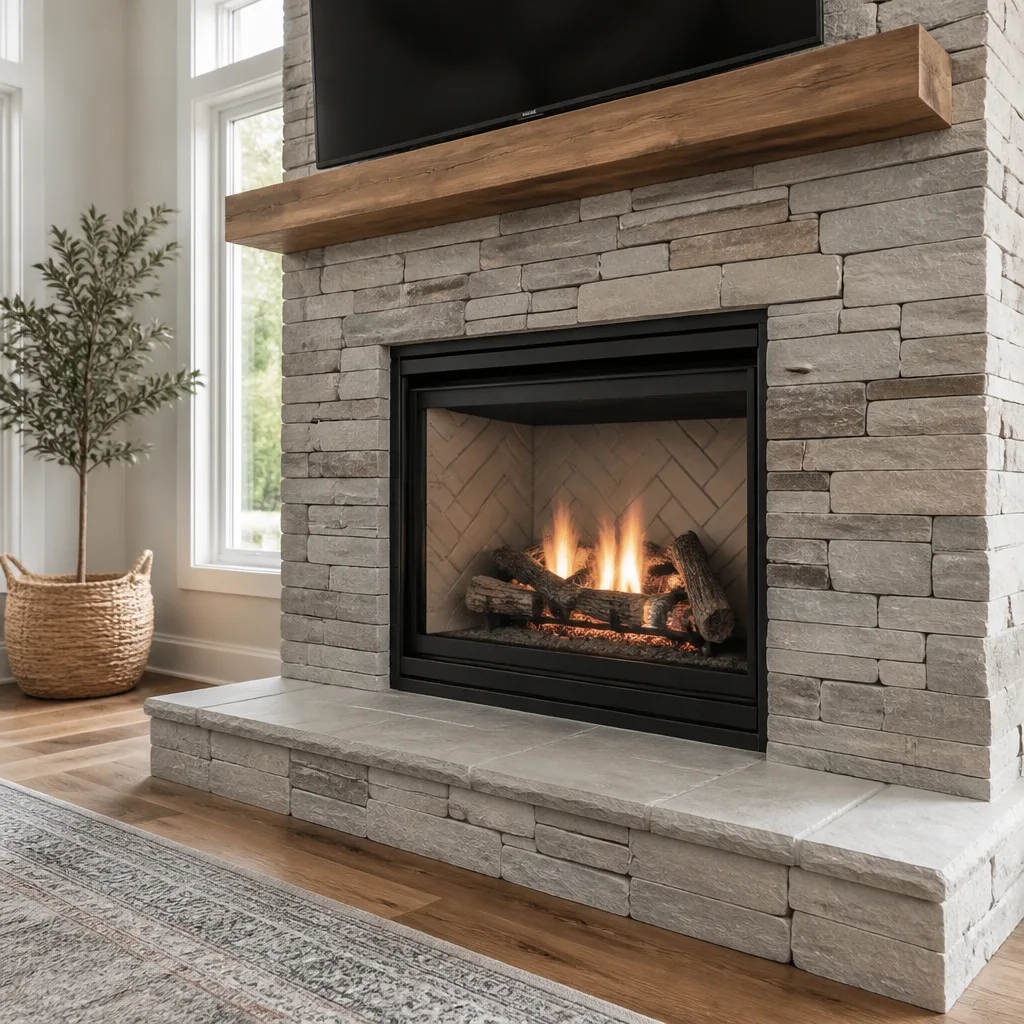
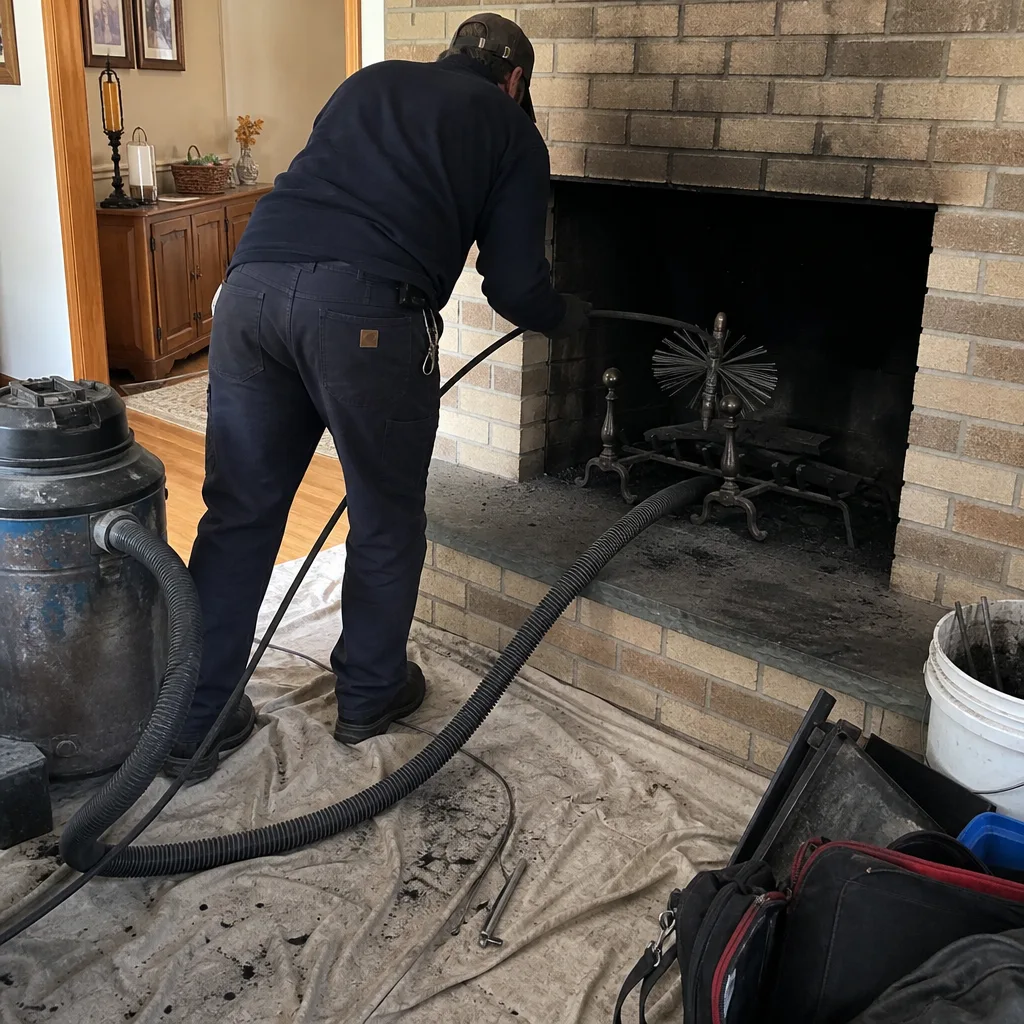 Before
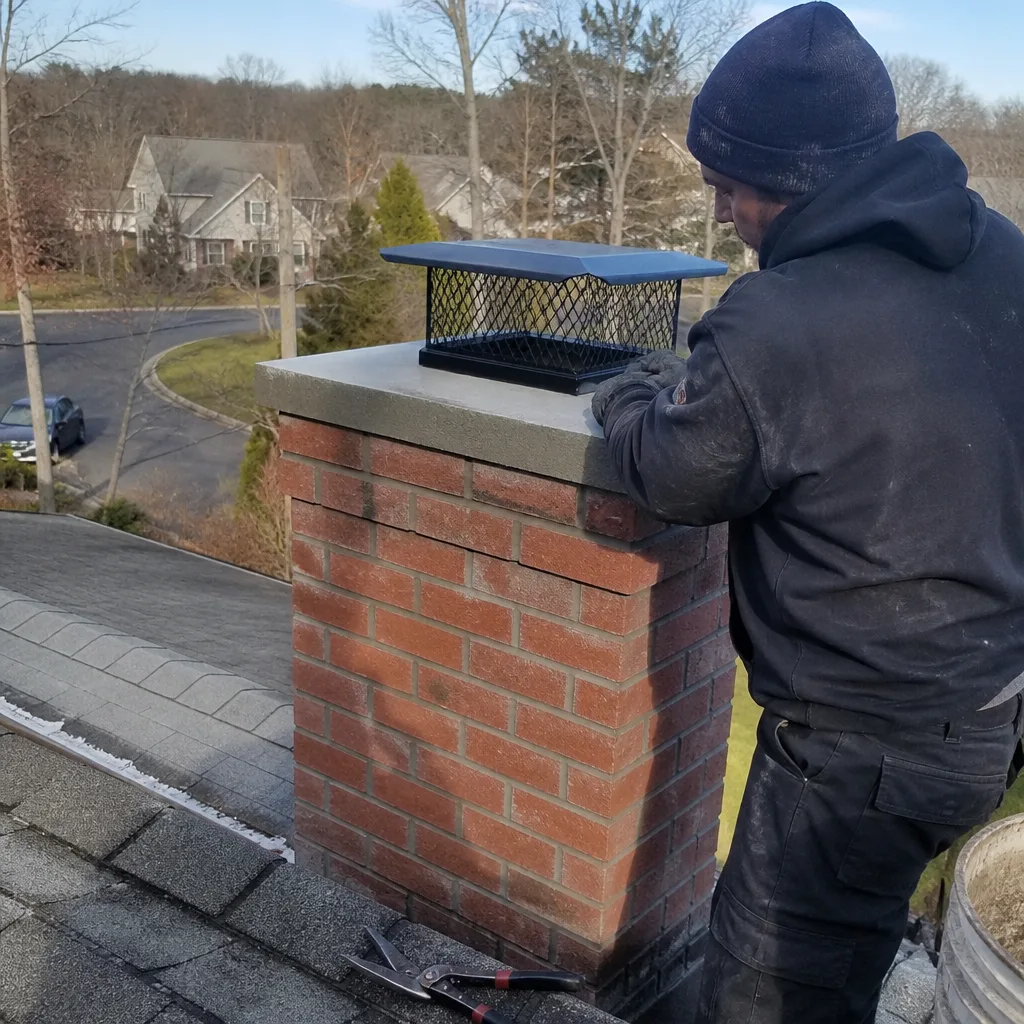 After
After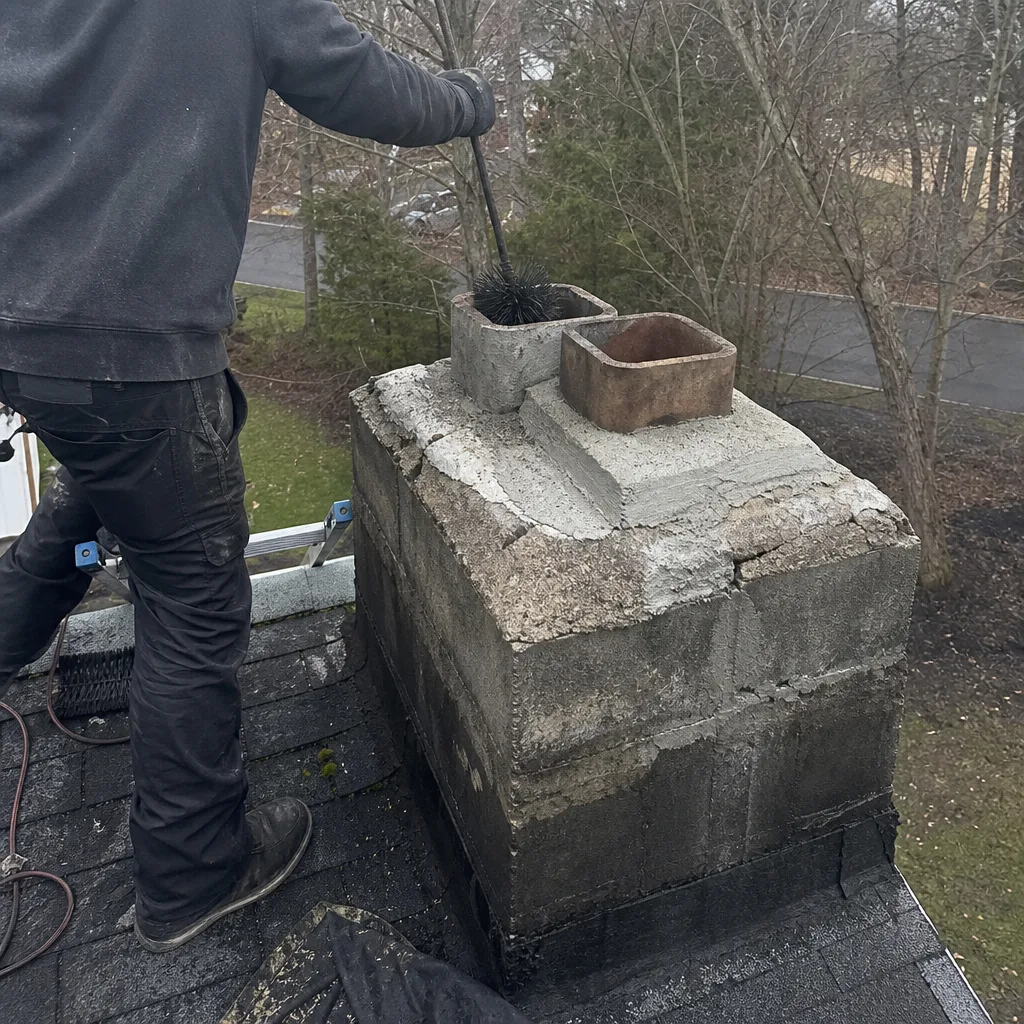 Before
 After
After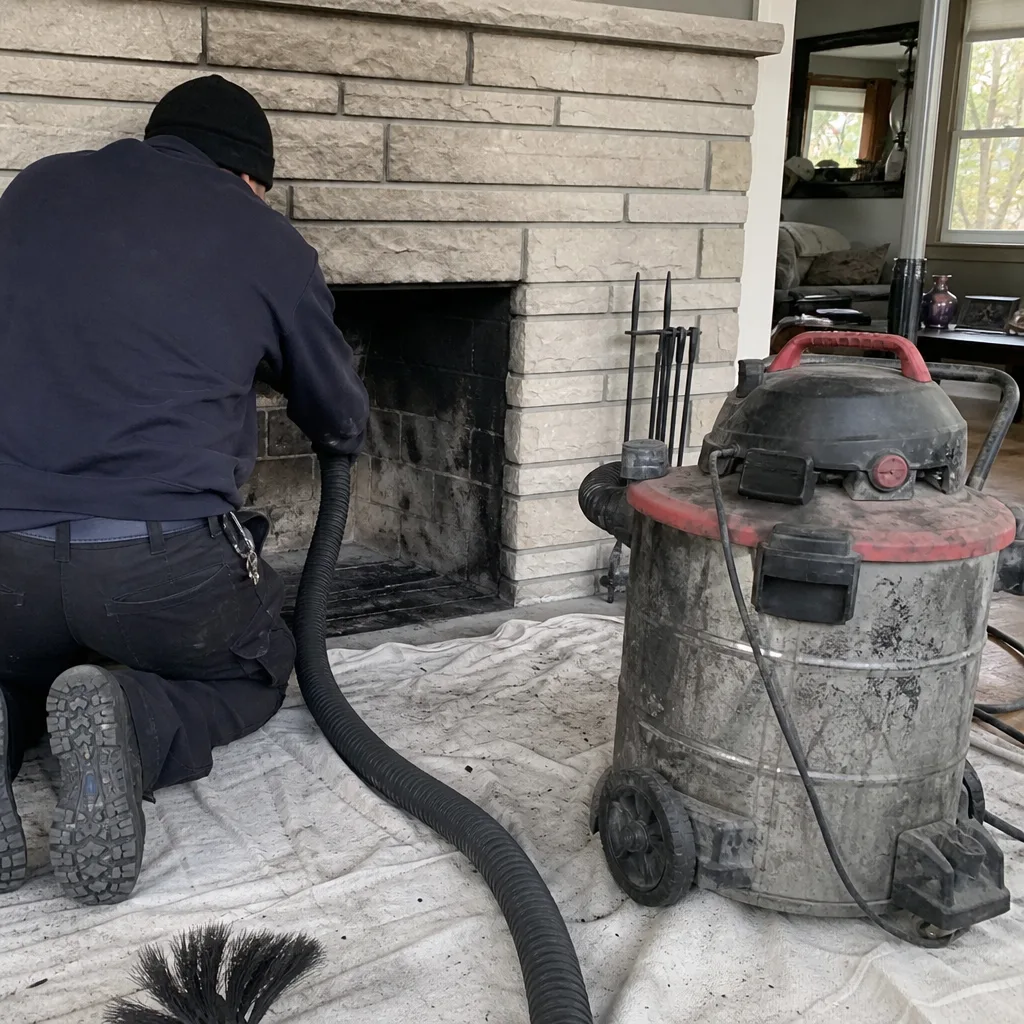 Before
 After
AfterCreosote Removal in Commack, NY
Creosote removal in Commack typically runs $150 to $500, depending on how much buildup is present and what stage it has reached. Most sweeps take a single visit, and Wendell can usually get to you the same week you call. If you want a straight answer before anyone touches your chimney, call (631) 502-3612 – phones are answered around the clock by a live person, and there is no trip charge for homes in our service county.
At Top Hat Chimney, we have been pulling creosote out of Long Island flues since 1999. Commack sits in a part of Suffolk County where a lot of homes still rely on wood-burning fireplaces as a primary heat source through January and February – and those fires produce creosote faster than most homeowners realize. It is not a scare tactic. It is simple chemistry: smoke cools as it rises, and what it leaves behind on your flue walls is flammable. Catching it early keeps your home safe and keeps the cost of removal well below what a flue fire or a corroded liner will cost you later.
This page covers everything specific to creosote removal in Commack – what causes it, how we remove it, what it costs here, and when you actually need to worry. If you want the full picture of what a routine annual cleaning looks like, visit our Chimney Cleaning & Sweep in Commack page.
What Creosote Is and Why It Builds Up
Creosote is the byproduct of incomplete combustion. When wood does not burn hot enough – whether because the wood is wet, the fire is smothered, or the draft is poor – unburned gases condense on the cooler surface of your flue and stick there. Over time that residue hardens into layers. The more it accumulates, the harder it is to remove, and the more it narrows the flue opening that your fire needs to breathe.
Chimney specialists classify creosote in three degrees:
- First-degree creosote is a dry, dusty soot layer. A stiff brush handles it without much trouble.
- Second-degree creosote is flaky and brittle, darker in color, and has started to harden. It takes more aggressive brush work and sometimes a rotary cleaning system.
- Third-degree creosote is a glazed, tar-like coating that bonds directly to the flue liner. A brush will barely scratch it. Removing it requires chemical treatments, specialized tools, and in some cases more than one visit.
First-degree is a brush job. Third-degree is a glaze – catch it early. That is the core reason we recommend an annual Level 1 Inspection in Commack regardless of how much you burned last season.
When You Need Creosote Removal
You do not always know creosote is building up until something tips you off. Here are the signs that mean it is time to call:
- Smoke backing into the room. If smoke rolls back through the firebox instead of drawing up the flue, restricted airflow from creosote buildup is one of the first things to rule out.
- A strong, oily or tar-like smell. Commack homeowners who notice that smell in summer – when the fireplace is cold and the humidity is high – are almost always dealing with significant second- or third-degree creosote absorbing moisture and off-gassing into the living space.
- A visible dark glaze on the damper or smoke shelf. If you can see it from below with a flashlight, there is more above it that you cannot see.
- Reduced fire performance. Fires that are hard to start, die quickly, or never seem to draw well often have a narrowed flue. Creosote is the most common culprit in Commack homes with older masonry fireplaces.
- You burned green or wet wood last season. Freshly cut or improperly seasoned firewood – common at roadside stands along Jericho Turnpike – is the fastest way to build up creosote. One season of wet wood can push a clean flue to second-degree in a hurry.
- It has been more than a year since your last inspection. Once a year, burn or no burn. Chimneys break in the off-season too, and a Level 1 inspection catches creosote before it has time to harden to third-degree.
Our Creosote Removal Process
Wendell and his crew do not show up and improvise. Here is exactly what happens on a creosote removal visit in Commack:
- Visual inspection before any tools come out. We start at the firebox and work up. A camera run down the flue gives us the actual picture – how deep the buildup is, what degree it has reached, and whether there is any liner damage underneath. You see the footage. We give you a plain-English verdict, no exceptions.
- Upfront price confirmation. The number we give you on the phone is what goes on the invoice. If the camera shows something that changes the scope, we tell you before a brush touches anything and you decide how to proceed. No surprises at the door.
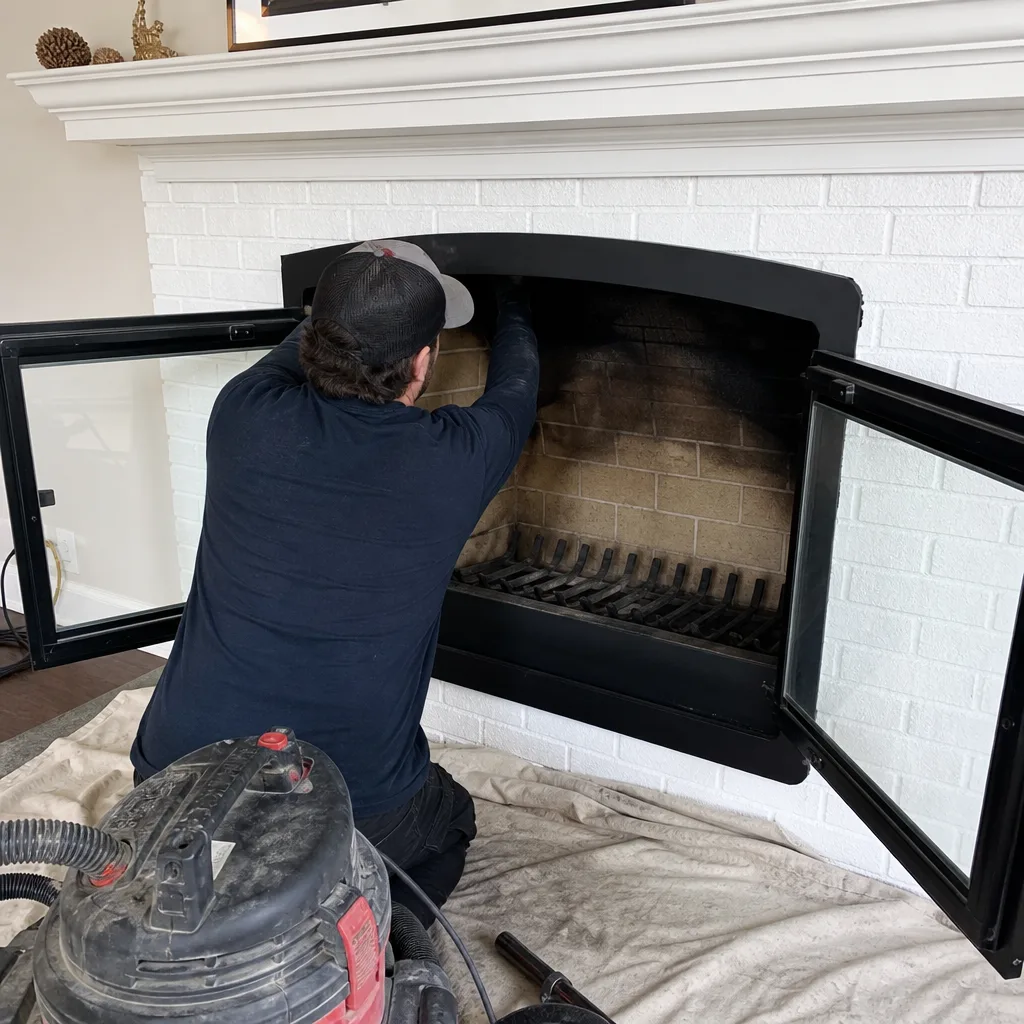
- Fireplace and furniture protection. Drop cloths go over the hearth and surrounding floor. A HEPA-filtered vacuum runs continuously through a sealed firebox plate so soot and debris do not travel into your home.
- Mechanical removal. For first- and second-degree creosote, we use professional-grade rotary brushes – the kind stocked by Copperfield and Olympia Chimney supply lines – sized to your flue liner. We work from the top down, section by section. The vacuum at the bottom catches what breaks loose.
- Chemical treatment for third-degree glaze. When the buildup has hardened to a glaze, brushes alone will not get it. We apply a professional-grade chemical creosote remover that reacts with the glaze and makes it brittle enough to brush or vacuum out. Some severe cases need two applications across two visits – we will tell you upfront if that is what your flue needs.
- Final camera inspection and cleanup. Once the flue is clear, we run the camera a second time so you can see the difference. The work area is cleaned before we leave. If anything in the process revealed a crack, spall, or liner issue, we document it and walk you through your options – no pressure, just the facts.
Creosote Removal Pricing in Commack
Creosote removal in Commack costs between $150 and $500 for the majority of jobs. Here is how that breaks down in plain terms:
| Creosote Stage | Typical Price Range | What Drives Cost |
|---|---|---|
| First-degree (light soot) | $150 – $229 | Usually included in a standard sweep; minimal labor |
| Second-degree (flaky, hardened) | $229 – $349 | More brush passes, rotary equipment, longer visit |
| Third-degree (glazed tar) | $349 – $500+ | Chemical treatment, possible second visit, liner inspection |
| Camera inspection (Level 1) | Included with sweep | Always included so you know exactly what you are paying for |
A few things specific to Commack that affect where your job lands in that range:
- Older colonial and cape-style homes in areas like Burr Farms and Rolling Hills Estate tend to have taller, narrower flues that take longer to clean and are more prone to second-degree buildup.
- Homes that had oil-to-gas conversions and then added a wood insert later sometimes have liner configurations that complicate access – we account for that before quoting.
- If your repair total exceeds $200, $40 comes off automatically. Seniors and veterans always receive 10% off. Those are standing offers, not seasonal promotions.
We publish upfront pricing before a single tool comes off the truck. Call (631) 502-3612 and we will give you a real number in the first conversation.
Is Creosote Removal a DIY Job?
For first-degree creosote – the light, dusty kind – a homeowner with a properly sized chimney brush can handle Chimney Cleaning & Sweep services. But here is the honest answer: most people who call us thinking they have a light soot problem find out, once the camera goes up, that they have second-degree buildup they could not see from the firebox. And third-degree glazed creosote is genuinely dangerous to work with without the right chemical agents and protective equipment. The fumes from a creosote remover applied in an enclosed flue are not something you want to breathe in a residential attic or on a rooftop.
We are not in the business of telling you to call us when you do not need to. But we do think it is worth running the camera before you decide. That way you know what you are actually dealing with.
Why Commack Homeowners Choose Top Hat Chimney
Wendell Pike started Top Hat Chimney in 1999. That means he has been inside chimneys on Colonial Road, Indian Hills Drive, and dozens of streets across Commack longer than some of the national franchises that show up in your search results have existed. He is not rotating through on a six-month contract. He will run into you at King Kullen on Saturday.
A few specific things that set Top Hat apart:
- 90-Day Done Right Promise: If the work is not right, one call brings us back at no additional cost. That is in writing on every job ticket, not buried in a terms page.
- Live phone, all hours: When you call at 9 p.m. because you noticed a smell in your living room, a real person picks up. It might be Wendell himself.
- No trip charge inside the county: Commack is in our home territory. We do not add a fuel surcharge for driving to you.
- Free second opinion: If another company handed you a written estimate that made you uneasy, bring it to us. We will look at your chimney and tell you honestly what we see.
- Brands you can verify: We use supply lines from Copperfield and Olympia Chimney – real industry names, not off-brand tools bought in bulk.
The national outfits quote one price on the phone and a different one at the door. We know you have dealt with that. The number you hear from us is the number on the invoice.
FAQs – Creosote Removal in Commack
How much does creosote removal cost in Commack, NY?
Creosote removal in Commack runs $150 to $500 depending on the stage of buildup. First-degree soot is often covered within a standard Fireplace Cleaning appointment at the lower end of that range. Third-degree glazed creosote – the kind that requires chemical treatment – lands at the higher end and may need more than one visit. Call (631) 502-3612 for a free estimate over the phone; the number we give you is the number on the invoice.
How often should creosote be removed from a Commack chimney?
At minimum, once a year – and for Commack homeowners who burn regularly through the winter, twice a year is not excessive. The National Fire Protection Association (NFPA 211) recommends annual inspection for all chimneys in use. Given how many Commack homes burn wood from October through March, letting two seasons go without a sweep is how a manageable second-degree situation becomes an expensive third-degree one. Once a year, burn or no burn.
Can I remove creosote myself?
Light first-degree soot, yes – a correctly sized chimney brush and a HEPA vacuum can handle it if you know what you are doing on a rooftop. But anything beyond light soot is a different job. Third-degree creosote requires chemical treatment with products that produce hazardous fumes in an enclosed space, and applying them safely is not a weekend project. More practically: most homeowners cannot see past the smoke shelf from below. Without a camera run, you are guessing at what you have. A professional Level 2 Inspection is worth it before you decide.
Is glazed creosote dangerous even if I do not use the fireplace?
Yes. Third-degree creosote does not become inert when the fire goes cold. In Commack summers, when humidity climbs, glazed creosote absorbs moisture and releases a strong, acrid odor into the living space – that is the most common complaint we hear in June from homeowners who burned heavily the previous winter. Beyond the smell, heavily glazed flues are one stray ember away from a chimney fire even after a single accidental ignition. Do not wait for a problem to show up as smoke; have it looked at before next season starts.
Ready to Schedule? Call Top Hat Chimney
If your chimney smells, smokes, or it has simply been longer than a year since anyone looked at it, give us a call. Wendell and his crew serve Commack and the surrounding communities, and there is no trip charge for addresses in our county. Estimates are free and prices are firm. Call (631) 502-3612 any time – day or night, a live person picks up – and we will get you scheduled fast.
Written by Wendell Pike, Owner at Top Hat Chimney, serving Commack since 1999.