
Last updated September 10, 2026
Level 1 sweep and inspection to the NFPA 211 annual standard - flue, crown, cap, and flashing checked and photographed
Chimney sweep logs do not sweep chimneys. They loosen some creosote - which then falls where a brush and vacuum still have to collect it.
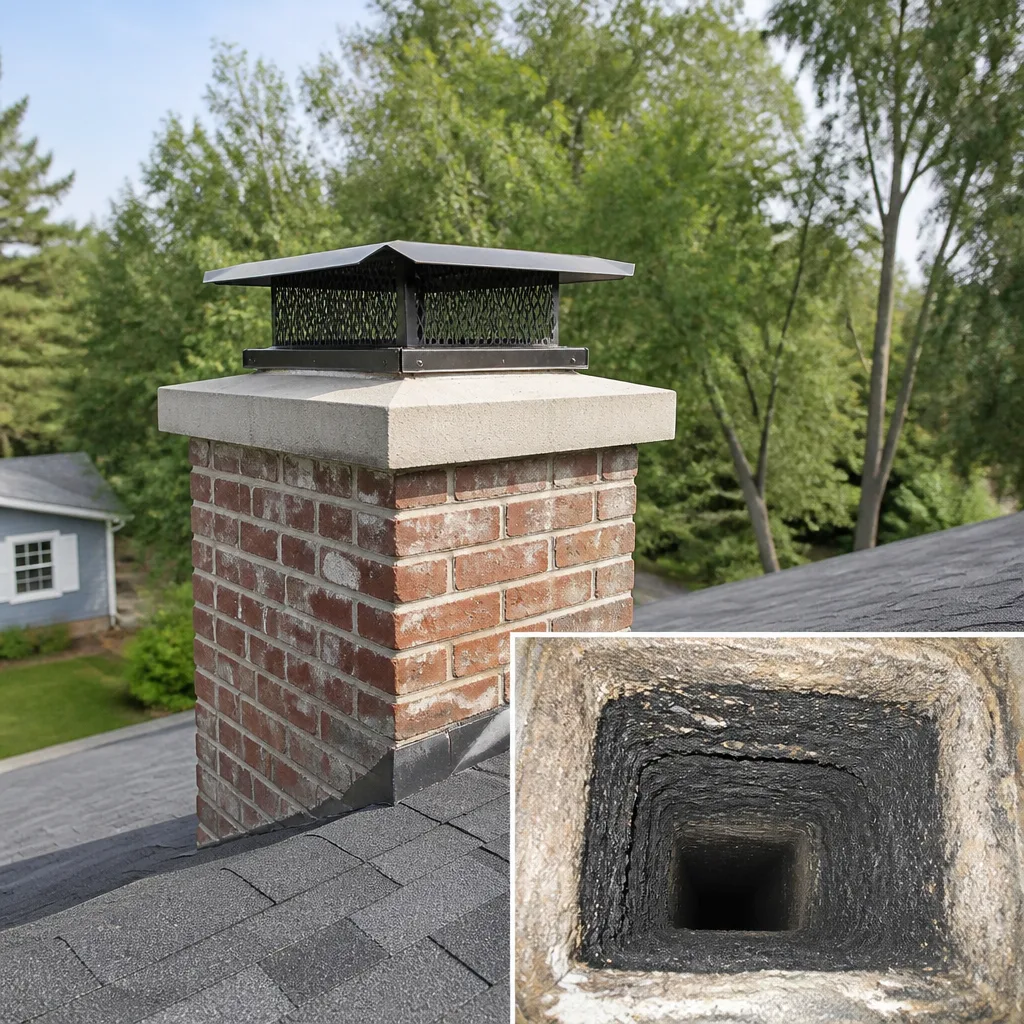
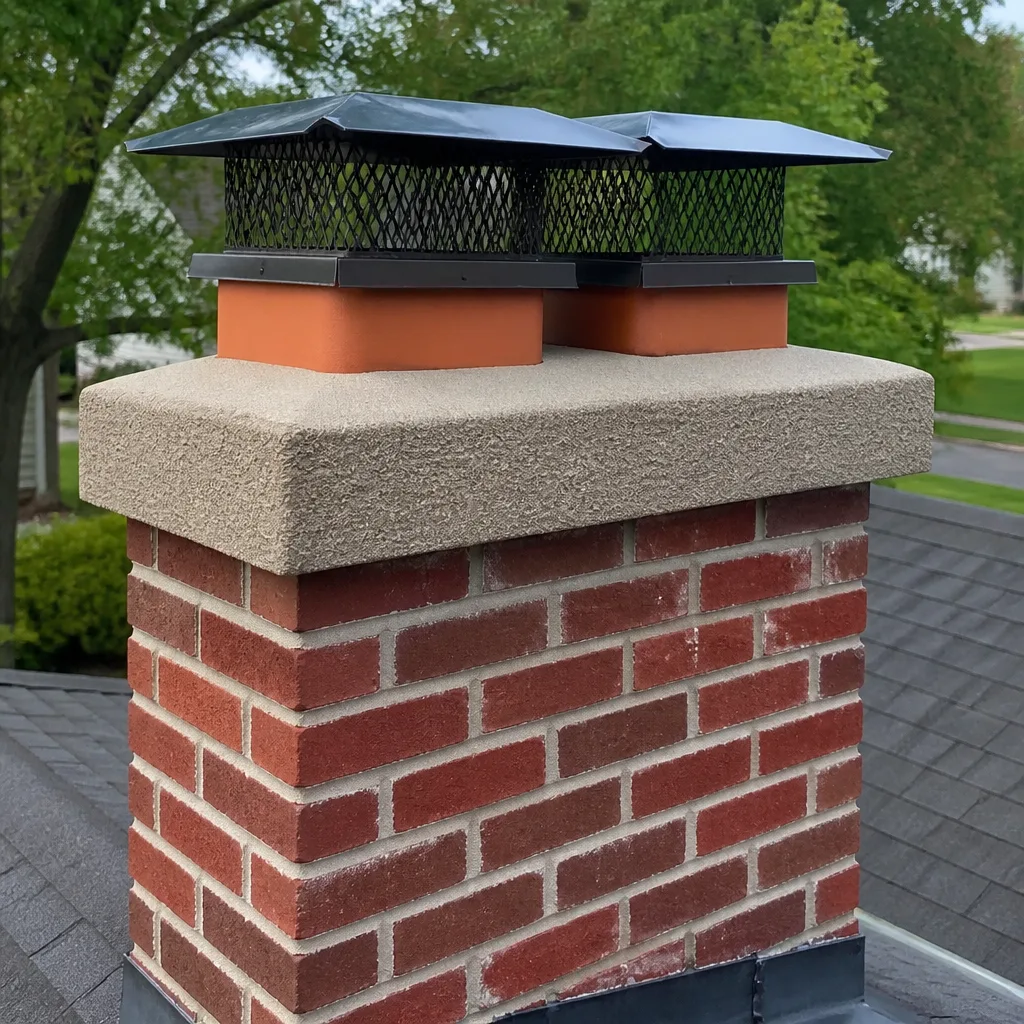
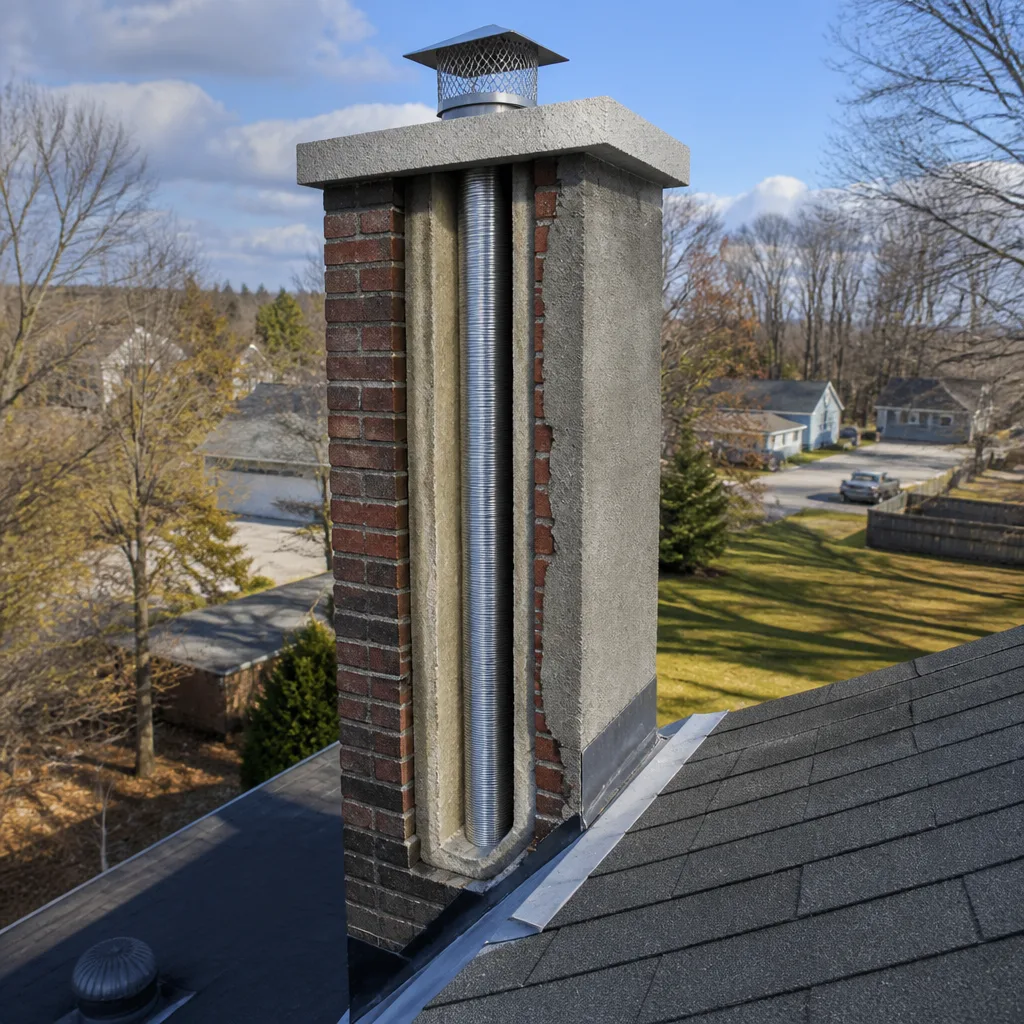
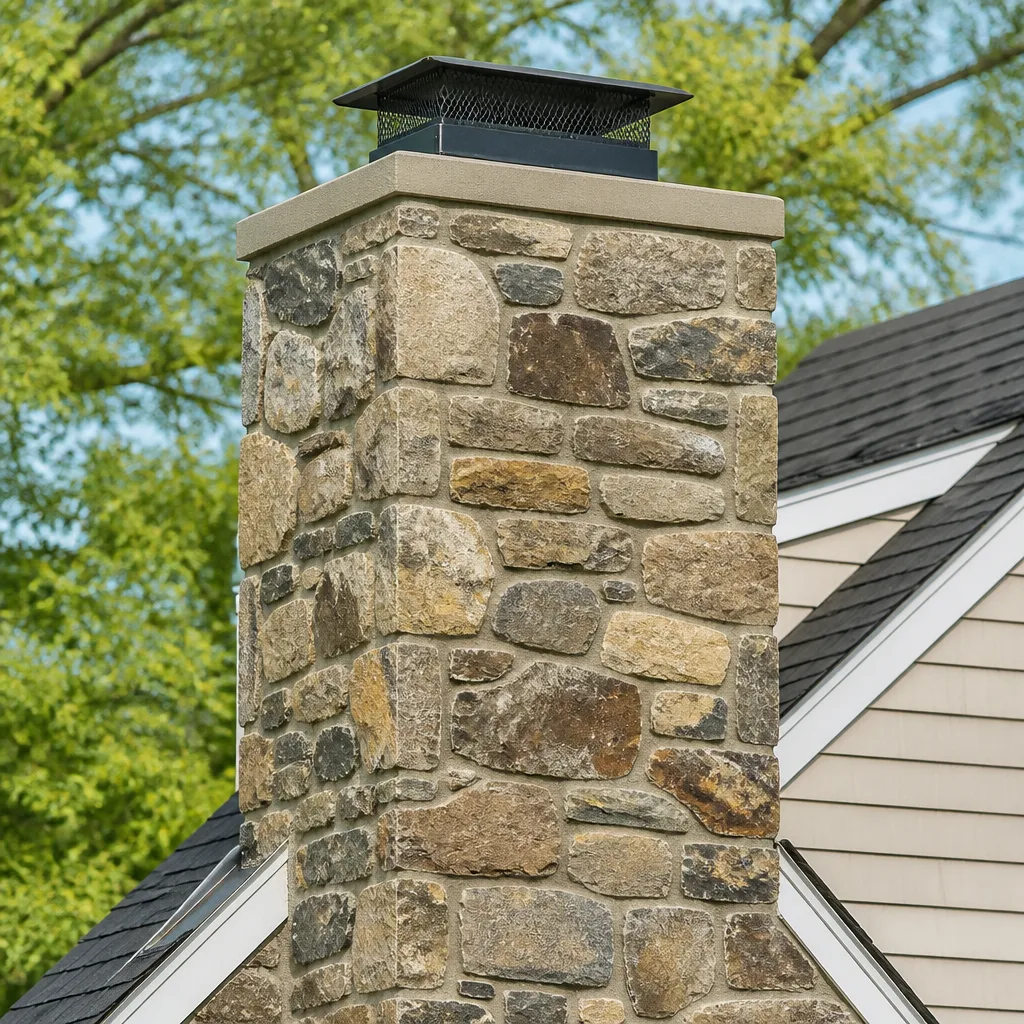
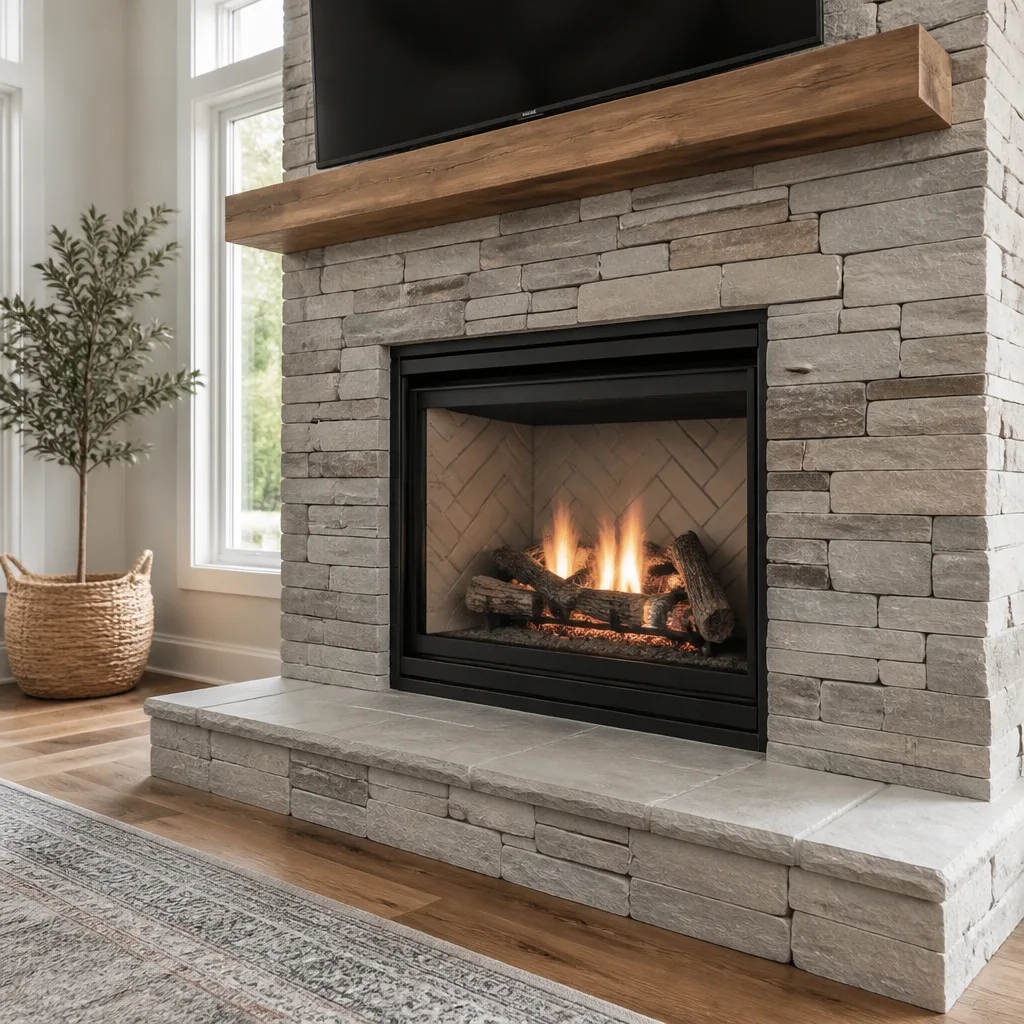
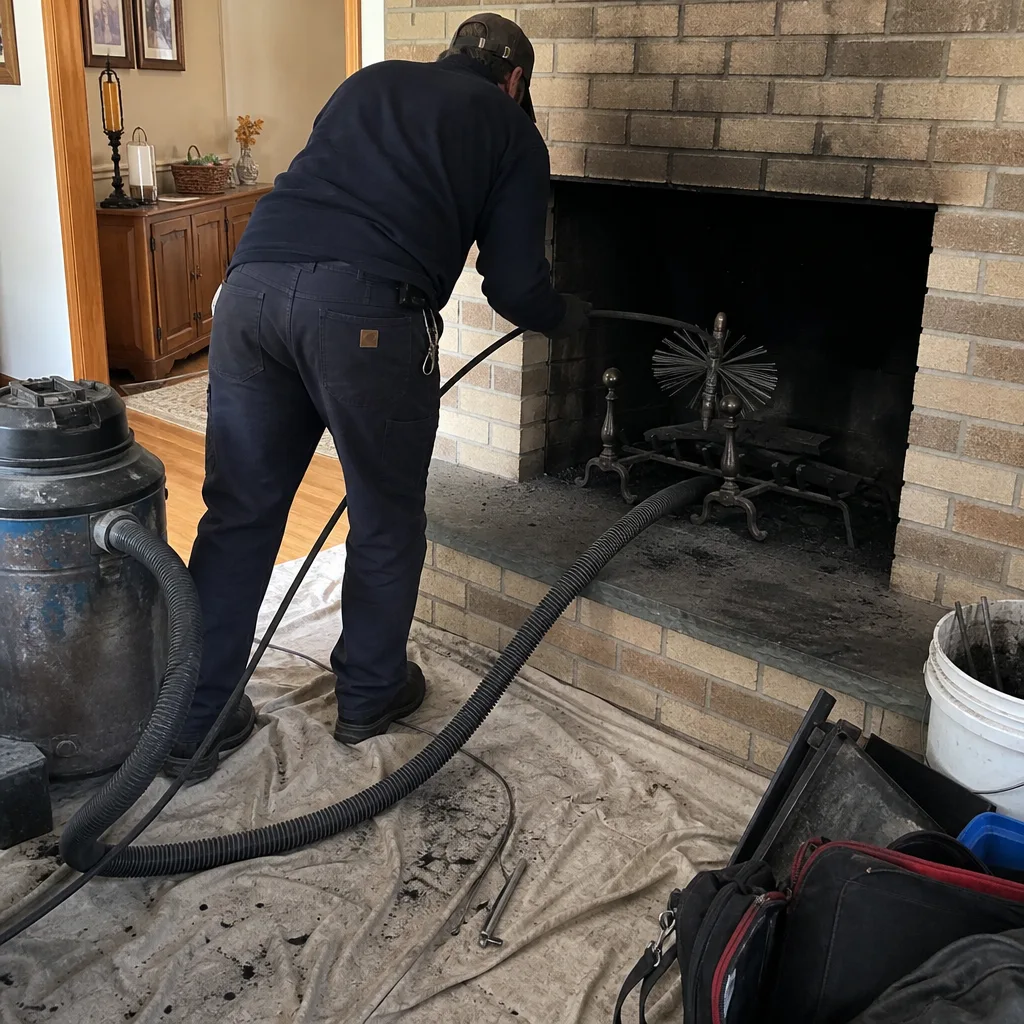 Before
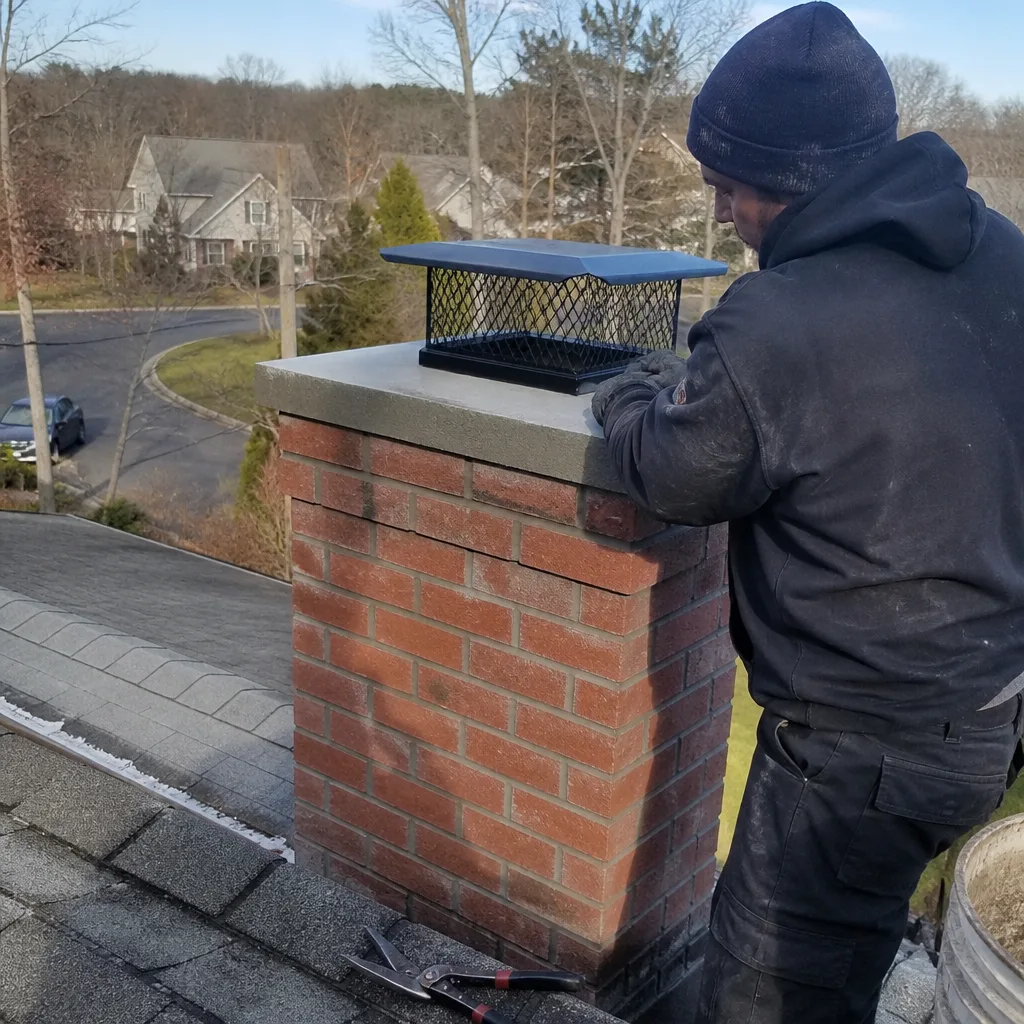 After
After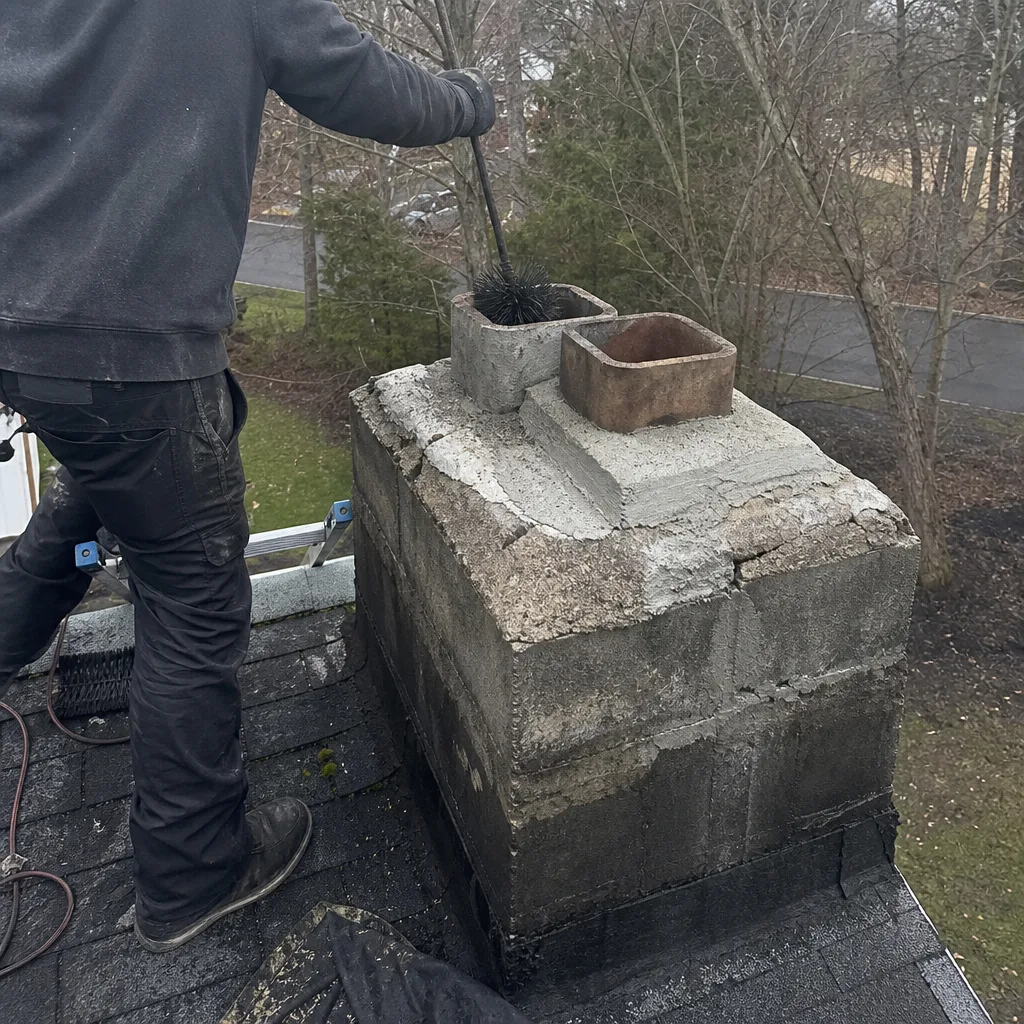 Before
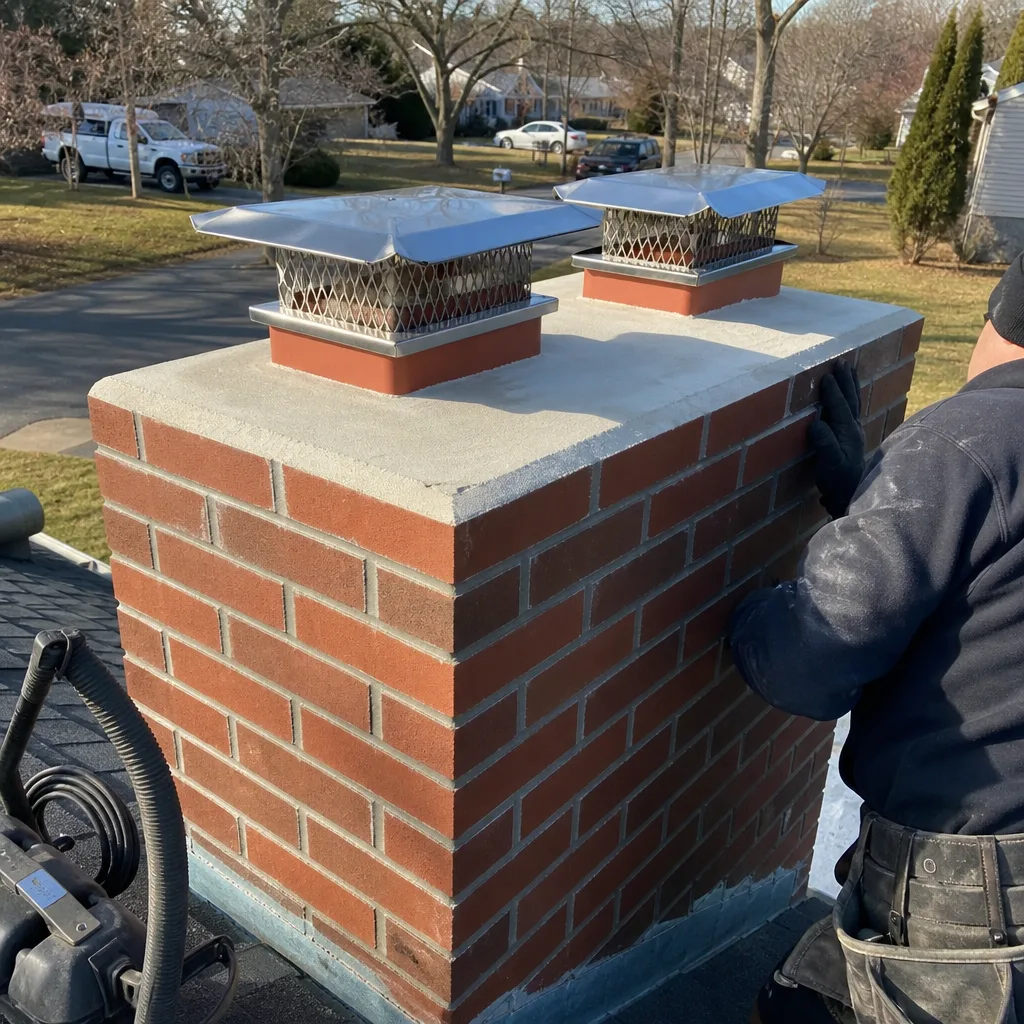 After
After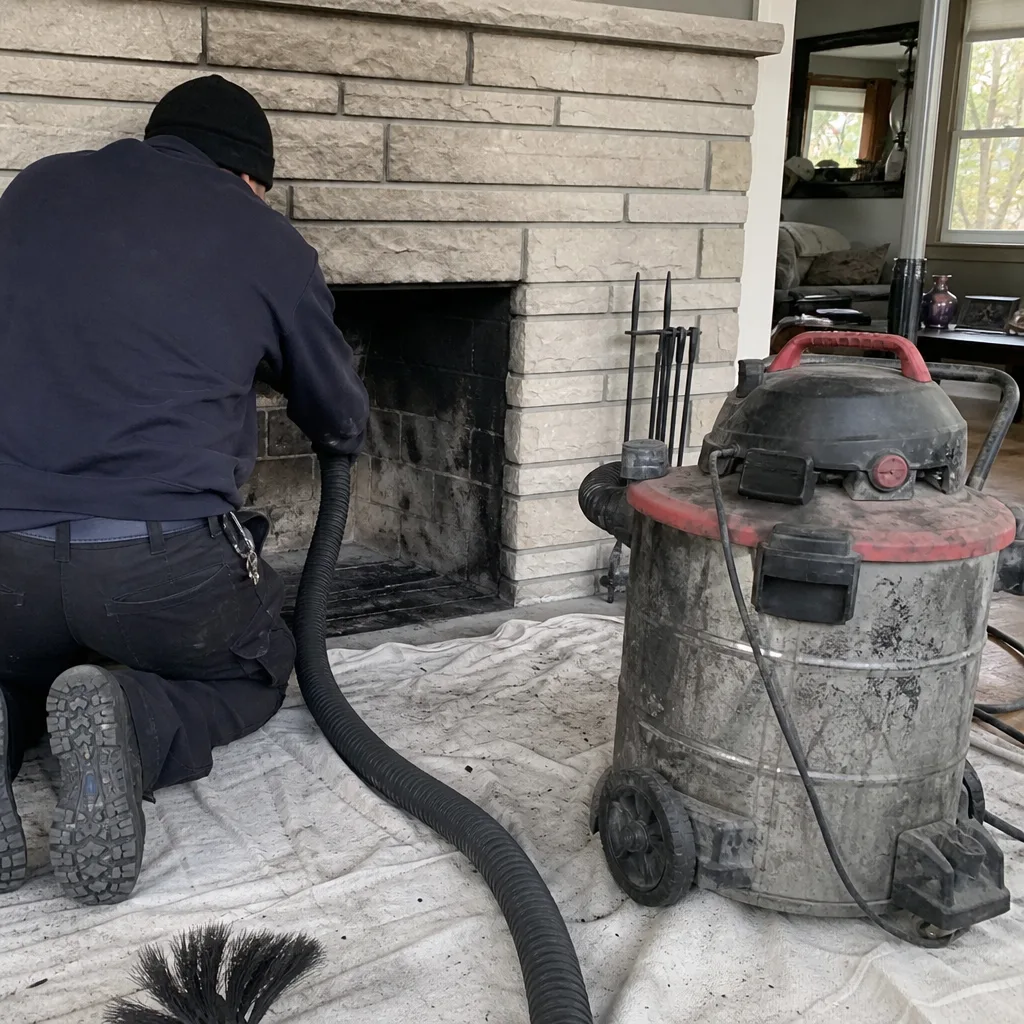 Before
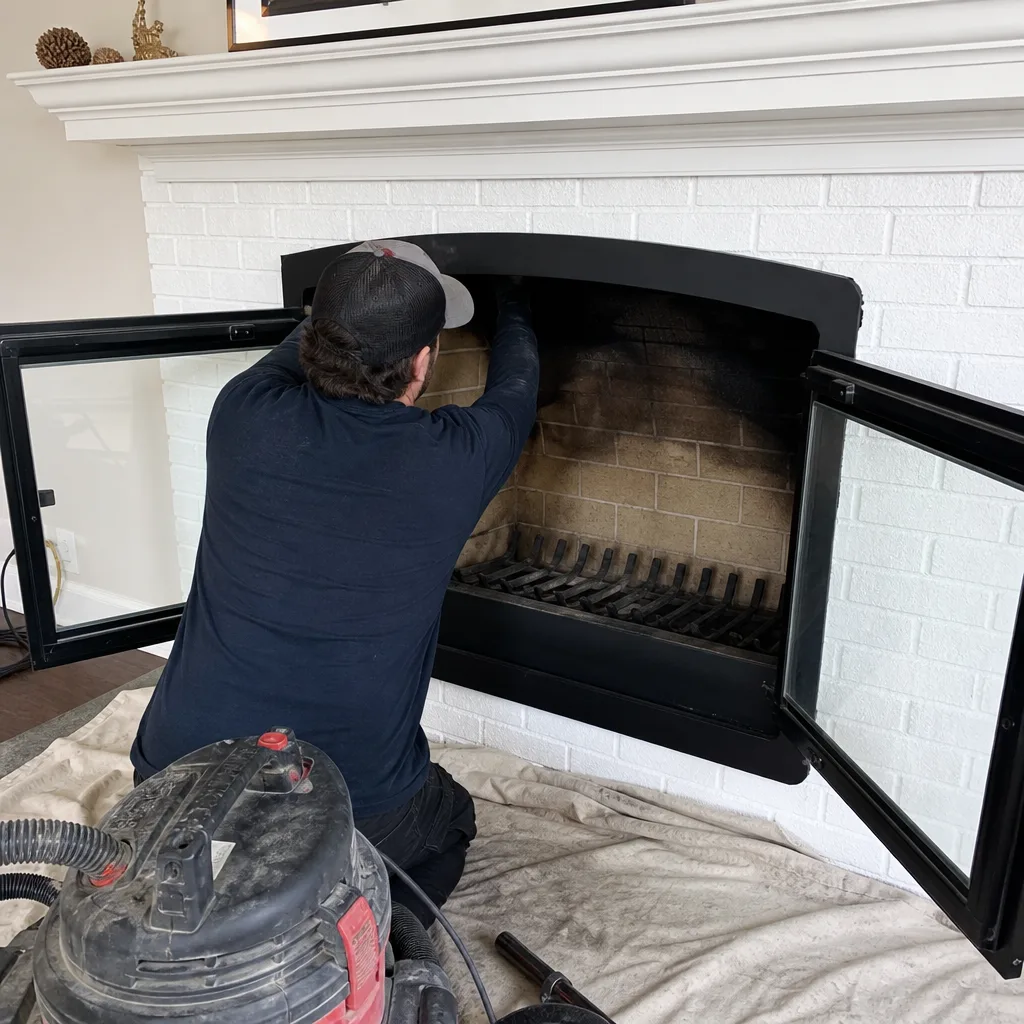 After
AfterDIY vs Professional Chimney Cleaning: The Commack Homeowner’s Decision Guide
The DIY chimney cleaning kits at the hardware store work fine for Stage 1 creosote deposits, and will do essentially nothing for Stage 2, while giving you the false confidence that the job is done. That distinction, between the fluffy gray-brown dust that brushes off easily and the dark, crusty glaze that does not, is the entire ballgame for Commack homeowners trying to decide whether to climb on the roof or pick up the phone. This guide will show you exactly what you can handle yourself, the four conditions that make professional cleaning non-negotiable, what a proper DIY setup actually costs, and the middle path that most more guides & resources never mention. By the end, you will know precisely where your chimney falls, and you will not need anyone to sell you on the answer.
Quick Answer
DIY chimney cleaning is reasonable for Commack homeowners who burn less than a cord of seasoned hardwood per year, have a straight flue that runs directly from the firebox to the cap, and see only Stage 1 creosote, a soft, gray, brushable deposit. You should call a professional, full stop, when you have Stage 2 or Stage 3 creosote, an offset or corbeled flue, a prefab fireplace with insert components, or any recent chimney odor, smoke-back, or water staining. The most overlooked option is the hybrid: pay a professional for the inspection and camera check, then handle the routine annual brushing yourself with the right equipment.
Table of Contents
- What Is Creosote, and Why Does the Stage Matter?
- When DIY Makes Sense: The Stage 1 Window
- The Four Conditions That Rule Out DIY
- The Real Cost of a Proper DIY Setup
- The Middle Path: Professional Inspection, DIY Brushing
- Liability and Insurance: The Paper Trail Question
- Common Mistakes to Avoid
- When to Call a Professional
- Frequently Asked Questions
What Is Creosote, and Why Does the Stage Matter?
Creosote is what remains after wood smoke cools and condenses against the walls of your flue. It is not one substance but three distinct forms, and the difference between them determines whether a brush will work or whether you need rotary chains, chemical treatment, or a liner replacement. Commack homeowners who burn oak, maple, and cherry from the local tree canopy are dealing with the same chemistry as anyone else, but the specifics of our climate, moderate humidity, seasonal burning patterns, and homes that often date to the 1960s and 70s, have a real effect on how fast creosote builds up.
Stage 1 creosote is a fine, powdery, gray-brown soot. It forms when combustion is reasonably complete and flue temperatures stay warm enough to carry most of the smoke out. If you can reach it with a brush, it comes off cleanly with a few passes. This is the stage where DIY is genuinely viable.
Stage 2 creosote is the turning point. It looks like shiny black flakes, often described as “crunchy” or “glittering,” and it no longer responds well to a standard wire brush. The deposits are thicker, harder, and baked onto the flue wall. A homeowner with a basic brush kit will often scrape the surface and think the job is done, while the bulk of the deposit stays in place. Stage 2 requires rotary loop tools or chemical treatment followed by mechanical agitation, and it is the point where the false-confidence problem gets dangerous.
Stage 3 creosote is a hard, tar-like glaze that can look like a glassy coating or a thick, solidified varnish. It forms when flue temperatures drop too low, too often, usually from burning unseasoned wood, running a stove at low output, or a flue that is oversized for the appliance. Stage 3 is not a brushing job at all. It often requires rotary chain whips, professional-grade chemical reactants, and in some cases a professional decision that a liner replacement is the only safe path.
The stage of creosote in your flue is the single most important fact in the DIY-versus-professional decision. The problem is that you cannot know the stage without seeing the flue, and seeing the flue from the top of a ladder tells you only part of the story. As Wendell says, “Your flue doesn’t care how the fire looks. It cares how it breathes.” The firebox can look tidy while the upper flue is glazed over.
When DIY Makes Sense: The Stage 1 Window
We will be straight with you: if you burn less than a full cord of seasoned hardwood in a season, and your flue is a straight shot from the firebox to the cap, and your last inspection showed Stage 1 creosote only, a competent homeowner can clean their own chimney. Wendell has been inside more Commack chimneys than he can count, and he will tell you plainly when a job does not need doing. This is one of those cases, with conditions.
Here is the complete set of conditions for a safe DIY clean:
- Straight flue, no offsets. If your chimney runs vertically from the appliance to the cap with no bends, the brush does not need to navigate anything. Offsets change everything, which we cover below.
- Stage 1 creosote only. You have confirmed this with a recent camera inspection, not a guess from the firebox. A homeowner who has never seen the inside of their flue is guessing, and guessing wrong here has real consequences.
- Single-story roof access with a safe pitch. Commack has plenty of ranches and split-levels with walkable roof pitches. A steep second-story roof is not a DIY surface, full stop.
- Solid masonry or properly installed Class A chimney. If the flue tiles are intact, the mortar joints are sound, and the cap is in place, brushing is safe. If you do not know whether your tiles are intact, you do not yet meet this condition.
- A second person to foot the ladder and call for help if needed. Working alone on a roof with a brush and a ladder is not a responsible plan, especially in Commack’s shoulder seasons when morning frost makes shingles slick.
If all five conditions hold, a homeowner who follows a methodical top-down cleaning process, brushes until no visible soot falls, vacuums the smoke shelf and damper area, and re-checks the cap and spark arrestor, will do a reasonable job. The key word is methodical. The most common DIY mistake is brushing one pass, seeing dust, and assuming the job is complete. A proper Stage 1 cleaning means visible improvement in the flue, not just a plume of soot coming out the top.
The Four Conditions That Rule Out DIY
There are four specific situations where turning this job over to a professional is not a matter of preference, but of safety. Wendell has been called to Commack homes where a homeowner attempted to push through one of these conditions and ended up with a flue fire, a water-damaged ceiling, or a prefab unit that had to be replaced outright. The common thread is that these are conditions you cannot accurately judge from the firebox or the roof, and the consequences of getting it wrong are not cosmetic.
Condition One: Stage 2 or Stage 3 Creosote
If your flue has Stage 2 creosote, a standard brush will skip over the surface and leave the bulk of the deposit in place. You will finish the job feeling satisfied and still have a flue that can catch fire. Stage 2 requires rotary equipment, typically a loop tool driven by a drill, combined with chemical treatment. Stage 3 often requires a chain whip on a rotary head, followed by a professional assessment of whether the liner itself is worth saving. Neither is a homeowner job. The equipment is specialized, the technique matters, and misjudging the stage is the single most common cause of chimney fires in homes where the owner “cleaned it themselves.” First-degree creosote is a brush job. Third-degree is a glaze, catch it early.
Condition Two: Offset Flues
An offset flue is any chimney that changes direction between the appliance and the cap. Many Commack homes with second-floor fireplaces, or chimneys that jog to accommodate a room layout, have offset sections built from angle tiles or stainless elbows. A straight brush cannot follow these bends. The brush hangs up, the homeowner pushes harder, and either the rod snaps inside the flue or the offset joint gets damaged. Worse, the offset section is exactly where creosote accumulates fastest, because the bend changes the flow and the temperature of the smoke. Professional cleaning of an offset flue involves flexible rods, often a rotary system that follows the bend, and a camera verification afterward. Without the camera, you cannot know whether the offset is actually clean.
Condition Three: Prefab Fireboxes with Insert Components
Factory-built fireplaces are not designed like masonry chimneys. The firebox is a metal unit, the flue is a proprietary pipe system, and there are internal components, baffles, brackets, and insulation, that a brush can damage if used incorrectly. Many prefab units in Commack homes also have chimney liners that are not rated for rotary cleaning, and a homeowner with a basic brush kit will not know whether their unit is on that list. The risk runs both directions: you can damage the unit, and you can fail to clean it properly. Prefab cleaning is a professional job, point blank, and it is also one where the manufacturer’s listed instructions matter. Wendell and his crew work with brands including Copperfield and Olympia Chimney, and the cleaning method differs by model.
Condition Four: Recent Chimney Odor, Smoke-Back, or Water Staining
If you have noticed a smoky smell in the house during humid summer weeks, smoke drifting back into the room when you open the door, or water staining on the ceiling near the chimney, do not reach for a brush. These are not signs of accumulated soot; they are signs of a system failure. Odor and smoke-back often indicate a drafting problem, which can come from a blocked flue, a flue that is too large or too small for the appliance, a chimney cap that is wrong or missing, or negative pressure from a tight house and a kitchen exhaust fan. Water staining indicates a cap, crown, or flashing problem that is letting water into the masonry. Brushing the flue will not fix any of these. What these symptoms require is a professional inspection, typically with a camera, to find the actual cause before anyone touches a brush.
None of these four conditions is a matter of effort. A homeowner can be thorough, careful, and motivated, and still be unable to clean an offset flue or diagnose a drafting problem without the equipment and the experience. Knowing the line is part of being a responsible homeowner.
The Real Cost of a Proper DIY Setup
Hardware store chimney cleaning kits start around $60, and that price point is exactly why so many Commack homeowners decide to go the DIY route. The problem is that the $60 kit is not a proper DIY setup. It is a starter brush with a few fiberglass rods and no way to see what you are doing, no way to handle anything except the easiest Stage 1 deposit, and no fall protection if you are working on a roof. A real DIY setup, the one you would actually need to do the job correctly and safely, costs more than the marketing on the box suggests.
Here is an honest and complete equipment list for a homeowner who wants to clean a straight, masonry chimney properly, with realistic costs as of the current season:
| Item | Purpose | Realistic Cost Range |
|---|---|---|
| Professional-grade poly brush, sized to your flue | The brush head. Hardware-store kits often include a one-size-fits-most brush; a proper brush is sized to the actual flue dimensions, typically 6-inch or 8-inch round for Commack masonry chimneys, and sometimes rectangular. | $40-$75 |
| Fiberglass or poly rods, 6 to 8 sections | The rods connect to extend the brush down the flue. Cheaper kits come with 3 or 4 rods that do not reach the bottom of a standard two-story chimney. | $50-$90 |
| Drill adapter | Allows the rods to be driven by a standard drill for rotation, which improves brush contact. Useful for Stage 1 and borderline Stage 2 residue. | $25-$45 |
| Extension ladder rated for your roof height | Most Commack homes with a fireplace have a roof height that requires at least a 24-foot extension ladder. A Type II ladder is sufficient; a step ladder is not. | $180-$300 |
| Roof safety harness and anchor | Fall protection is not optional on a pitched roof. A basic harness with a rope grab and a temporary roof anchor runs on the lower end of this range. | $100-$180 |
| Drop cloths and heavy-duty vacuum with HEPA filter | The job makes a mess. A shop vacuum with a fine-dust filter is the minimum; a standard household vacuum will be destroyed by fine soot. | $80-$150 |
| Headlamp and inspection mirror | You need to see the inside of the flue, both from the top and from inside the firebox. A headlamp alone is not enough for the firebox view. | $30-$50 |
| Safety glasses and N95 or P100 respirator | Creosote dust is a respiratory irritant and a known concern for repeated exposure. An N95 helps; a P100 is better. | $25-$60 |
| Chimney cap and spark arrestor replacement, if needed | If your existing cap is rusted or the mesh is clogged, you should replace it while you are up there. A basic stainless steel cap for a masonry flue is not a luxury item. | $60-$150 |
Add that up and a proper one-time DIY setup runs roughly $590 to $1,100 before you account for the time, the cleanup, the trip to the hardware store, and the fact that you may still miss something a camera inspection would have caught. That is not an argument against DIY. For a homeowner who will clean their own chimney for years, the equipment pays for itself after two or three seasons. It is an argument against the idea that DIY is a $60 decision. It is not, and any guide that tells you it is has not actually done the job.
Compare that to a professional chimney cleaning and sweep in Commack, which for a standard masonry fireplace with Stage 1 creosote typically runs in a similar range when a full inspection and camera check are included. The professional comes with the equipment, the trained eye, and the documentation. The homeowner comes away with equipment they will use again. Both are legitimate; they are just different decisions.
The Middle Path: Professional Inspection, DIY Brushing
Here is the option that almost no chimney guide mentions, and it is the one Wendell recommends most often for Commack homeowners who want to be involved with their own chimney but do not want to take on risk they cannot see. For a detailed walkthrough on selecting the right pro, see How to Hire a Chimney Cleaning Contractor in Commack: A Step-by-Step Guide. The hybrid approach works like this: you pay for a professional inspection, including a camera check of the full flue, once per year or once every other year, and based on that written report, you handle the routine Stage 1 brushing yourself.
The sequence is simple:
- The professional inspection comes first. Wendell and his crew set up at the firebox, run a camera up the flue, and produce a full written report with images. The report tells you the exact condition of the flue tiles, the presence or absence of any creosote stage, the condition of the cap and crown, and whether there are any blockages from animals or debris.
- The report tells you whether DIY is on the table. If the camera shows Stage 1 creosote only, a straight flue, sound tiles, and an intact cap, the report will say so in plain English. You now have a professional’s written word that your chimney is safe for routine brushing.
- You do the brushing yourself. With the right equipment and a safe ladder setup, you clean the flue. You are not guessing, and you are not cleaning blind. You are acting on a professional’s findings.
- The next season’s inspection verifies your work. One year later, the camera check either confirms that your DIY cleaning is keeping the flue clean or reveals that something has changed. If Stage 2 creosote has appeared because you started burning wood from a different source, or because your burning habits changed, you will know before it becomes a problem.
The hybrid approach splits the responsibility at the exact point where it should be split: diagnosis and evaluation on the professional side, routine mechanical cleaning on the homeowner side. It costs less than a full professional cleaning every year because the inspection alone is a smaller job than the full sweep-and-inspection, and it gives you the documentation you need for your insurance company if a claim ever comes up. Which brings us to the point most guides skip entirely.
Liability and Insurance: The Paper Trail Question
Here is the part of the DIY-versus-professional decision that nobody puts on the hardware store box. If a fire originates in a chimney that you have been cleaning yourself, your insurance company will ask a simple question: can you prove the chimney was properly maintained? And a homeowner who says “I cleaned it myself” has no answer to that question that an insurance adjuster will accept.
Professional chimney cleaning comes with a receipt, a written report, and in many cases camera images that show the condition of the flue before and after the work. In the event of a chimney fire, a homeowner can produce that documentation and show that reasonable maintenance was performed by a qualified party. That shifts the claim in the homeowner’s favor. A homeowner who has been cleaning their own chimney has no third-party documentation, and the adjuster’s reasonable follow-up question is whether the chimney was ever actually clean.
This is not a threat that Top Hat Chimney holds over anyone’s head. Wendell will tell you directly that plenty of homeowners can clean their own Stage 1 flues competently, and the hybrid approach he recommends puts the inspection on the professional side precisely so that the documentation exists. The point is not to make you afraid to clean your own chimney. The point is that the insurance company’s calculation changes when there is no paper trail, and you should know that before you decide. The $90 to $150 you pay for an inspection and camera check is, in part, a documentation purchase.
There is a second liability angle, and it runs the other direction. If a homeowner cleans their own chimney, misses a Stage 2 deposit because the brush skipped over it, and then the chimney catches fire, the homeowner is on the wrong side of their own insurance policy. The adjuster will reasonably ask why a homeowner with no training was performing maintenance on a system that contains a fire inside their house. That conversation does not go well. The same logic applies to chimney damage: a homeowner who pushes a brush through an offset flue, breaks a tile, and later has a chimney leak, has no one to call but their own checkbook.
Professional cleaning does not guarantee that a fire will never happen. No honest sweep will tell you that. What it does is put a trained, insured, documented pair of hands between the fire and the house, and that matters when the insurance company is deciding whether to write the check.
Common Mistakes to Avoid
- Cleaning without knowing the creosote stage. Brushing a Stage 2 flue is worse than not brushing at all, because you will think the job is done. Confirm the stage with a camera check before you spend a weekend on the roof.
- Buying the cheapest brush kit and assuming it is enough. The $60 kit is a starter, not a complete setup. Factor in the ladder, the safety harness, the respirator, and the vacuum, or accept that you are doing a partial job.
- Using rods that are too short. A standard two-story Commack chimney requires six to eight rods. If your brush stops before the smoke shelf, you have cleaned the upper flue and left the lower flue, which is often the dirtiest section, untouched.
- Working alone. This is not a job for a solo afternoon. A second person is a safety requirement, not a convenience.
- Ignoring chimney odor or smoke-back. These symptoms are never normal, and they are never fixed by brushing. They are diagnostic signs of a deeper problem that needs a professional’s eye.
- Assuming a prefab fireplace can be cleaned like a masonry one. Factory-built units have proprietary components and manufacturer-specific cleaning requirements. A masonry brush can damage a prefab flue permanently.
- Skipping the inspection because the fire “seems fine.” As Wendell says, once a year, burn or no burn. Chimneys break in the off-season too. The firebox can look completely normal while the upper flue is glazed over with Stage 3.
When to Call a Professional
Call a professional when any of these is true: you have Stage 2 or Stage 3 creosote you cannot safely remove with standard equipment; your flue has an offset you cannot visually follow with a brush; you have a prefab fireplace with manufacturer-specific components; you have noticed chimney odor, smoke-back, or water staining; you have not had a professional inspection in two or more years; or you are unsure of any of the above. Each of those situations is a professional’s problem for a reason. Wendell and his crew have been cleaning and inspecting chimneys in Commack and the surrounding communities since 1999, and the chimney repair work in Commack that follows a bad DIY attempt is always harder and more expensive than the cleaning would have been in the first place. Top Hat Chimney offers upfront pricing before any tool comes off the truck, a free second opinion on any competing written estimate, and no trip charge for calls inside our service county. Call (631) 502-3612 for a free estimate.
Frequently Asked Questions
A standard chimney cleaning and inspection for a masonry fireplace in Commack typically runs $199 to $350 when no repairs are needed. The exact price depends on the height of the flue, the creosote stage, the condition of the cap and crown, and whether the chimney has offsets or other complications. Top Hat Chimney delivers upfront pricing before work begins, and the number you hear on the phone is the number on the invoice. Call (631) 502-3612 for a free estimate.
Yes, if your chimney is a straight masonry flue with Stage 1 creosote only and you have the full equipment setup, including a properly sized brush, enough rods, a safe ladder, fall protection, and a HEPA vacuum. The hardware store kit alone is not sufficient for most Commack homes, and it cannot handle Stage 2 creosote, offset flues, or prefab fireplaces. If you are unsure of your flue’s condition, start with a professional inspection before you buy any equipment.
The National Fire Protection Association standard is that a chimney should be inspected at least once per year and cleaned whenever there is 1/8 inch or more of creosote buildup. A Commack homeowner who burns a cord or more of seasoned hardwood during the heating season will typically need an annual cleaning. For timing tips throughout the year, read our Seasonal Chimney Cleaning Care for Commack: Year-Round Homeowner’s Guide. Homes with occasional fires, an open fireplace used ten or fifteen times per winter, may only need cleaning every other year when the inspection shows it is warranted. The only way to know for sure is an annual inspection.
A chimney inspection is a visual and often camera-assisted evaluation of the flue’s condition, checking for creosote buildup, cracked tiles, missing mortar, cap damage, and blockages. A chimney cleaning is the mechanical removal of creosote and soot from the flue. The two are done together in most professional appointments, but an inspection alone is less expensive and can determine whether a cleaning is even needed yet.
Creosote accumulates, and because it is flammable, the risk of a chimney fire increases with every burning season. What starts as a thin Stage 1 powder becomes Stage 2 flakes and eventually Stage 3 glaze, and at each stage the risk of a flue fire rises. Even without a fire, a clogged chimney can cause smoke-back into the house, carbon monoxide buildup, and a draft problem that makes the fireplace difficult to use. A blocked flue from an animal nest, which is common in Commack, can cause the same symptoms overnight. Call (631) 502-3612 if your chimney has not been inspected this year.
Yes. Top Hat Chimney is locally owned and owner-operated by Wendell Pike and has been serving Commack and the surrounding communities since 1999. We cover the full Commack area including the neighborhoods north of Jericho Turnpike, the Mayfair and Harned Road sections, the homes along Townline Road, and the surrounding towns in Suffolk County. Calls are answered by a live person around the clock, and it may well be Wendell himself who picks up. For fireplace services in Commack or any chimney need, call (631) 502-3612.
The Bottom Line
The decision between DIY and professional chimney cleaning is not a question of how handy you are. It is a question of what is inside your flue, what shape your flue is in, and whether you can see what you are doing. Commack homeowners with straight masonry chimneys and confirmed Stage 1 creosote can clean their own chimneys safely with the right equipment, and Wendell will be the first to say so. Homeowners with Stage 2 creosote, offset flues, prefab fireplaces, or warning signs like odor and smoke-back should not touch a brush, and the insurance angle makes professional documentation worth the cost on its own. The smartest Commack approach is the hybrid: professional inspection with camera documentation every year, DIY brushing in between when the report says it is safe. That is the honest line, and it comes from a sweep who will tell you when the job does not need doing.
Written by Wendell Pike, Owner at Top Hat Chimney, serving Commack since 1999.