
Last updated September 10, 2026
Level 1 sweep and inspection to the NFPA 211 annual standard - flue, crown, cap, and flashing checked and photographed
Chimney sweep logs do not sweep chimneys. They loosen some creosote - which then falls where a brush and vacuum still have to collect it.
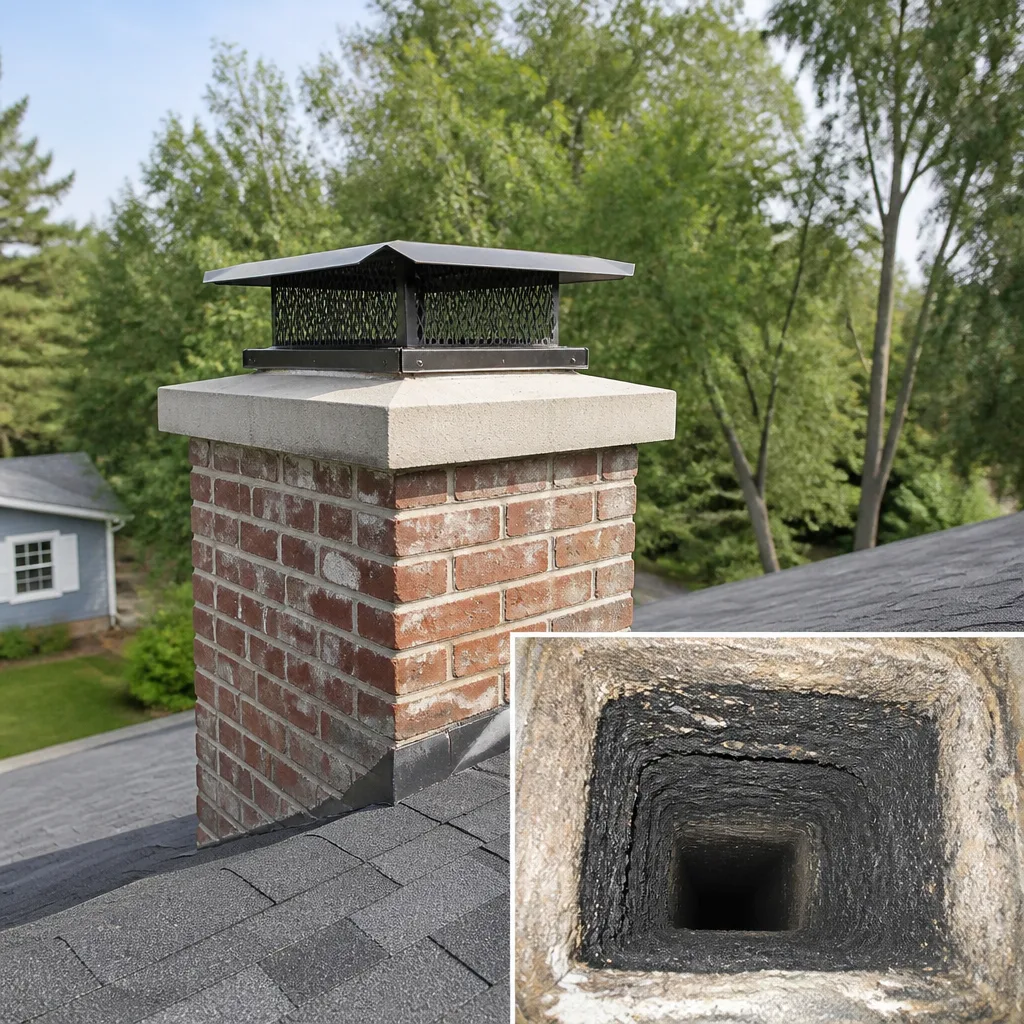
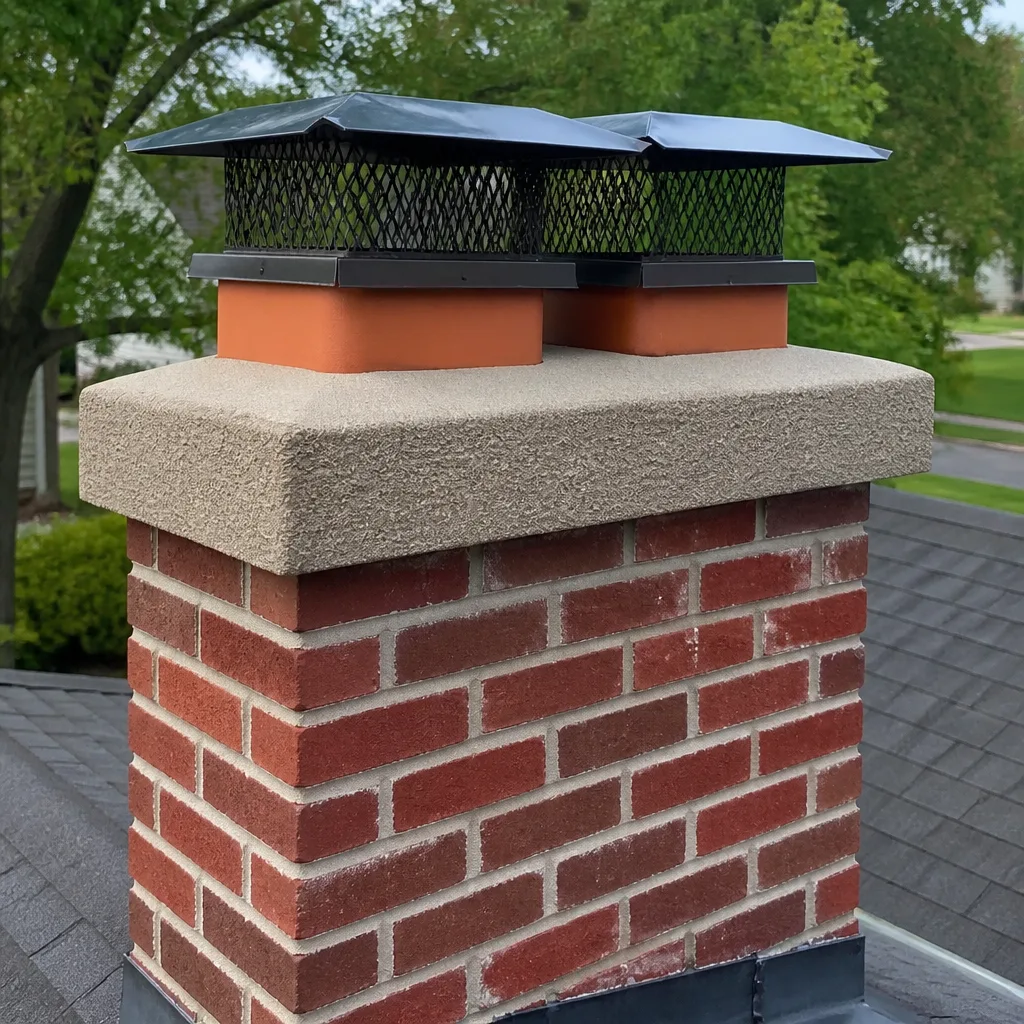
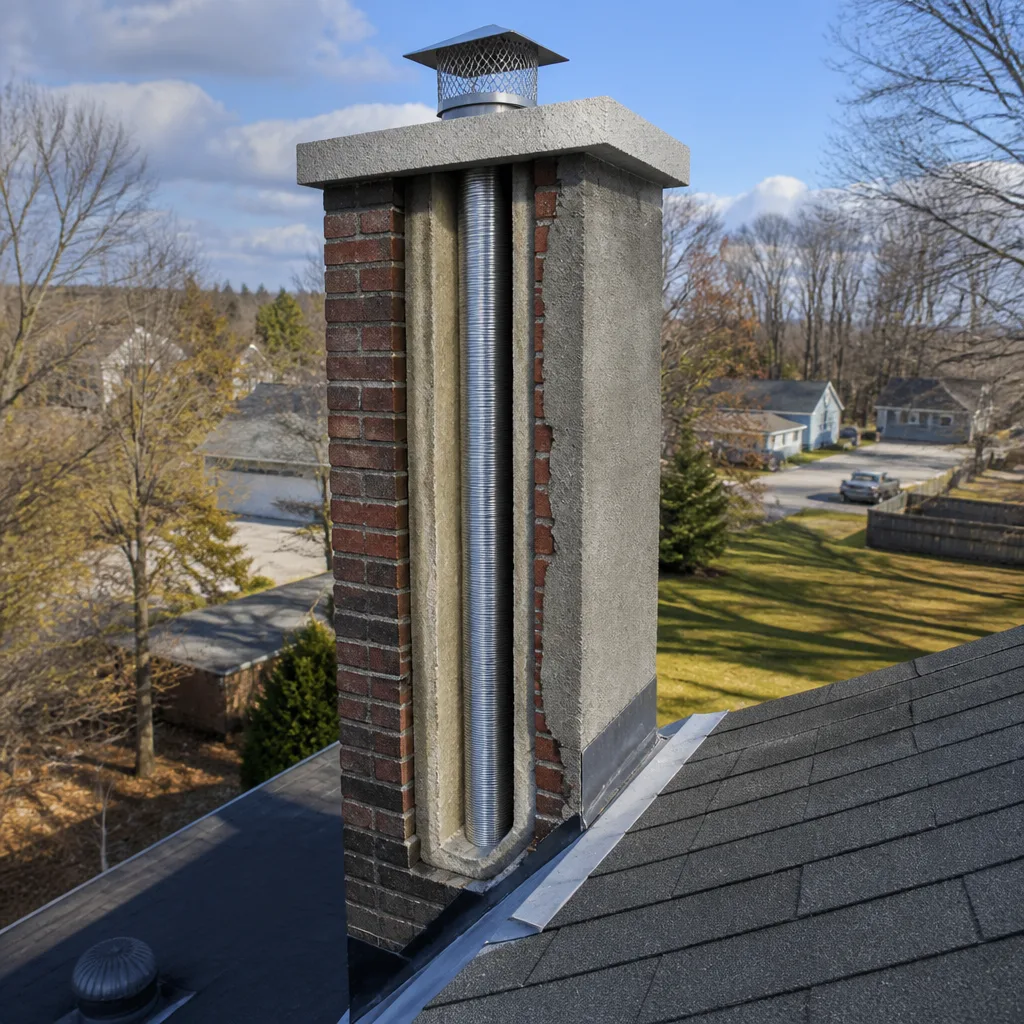
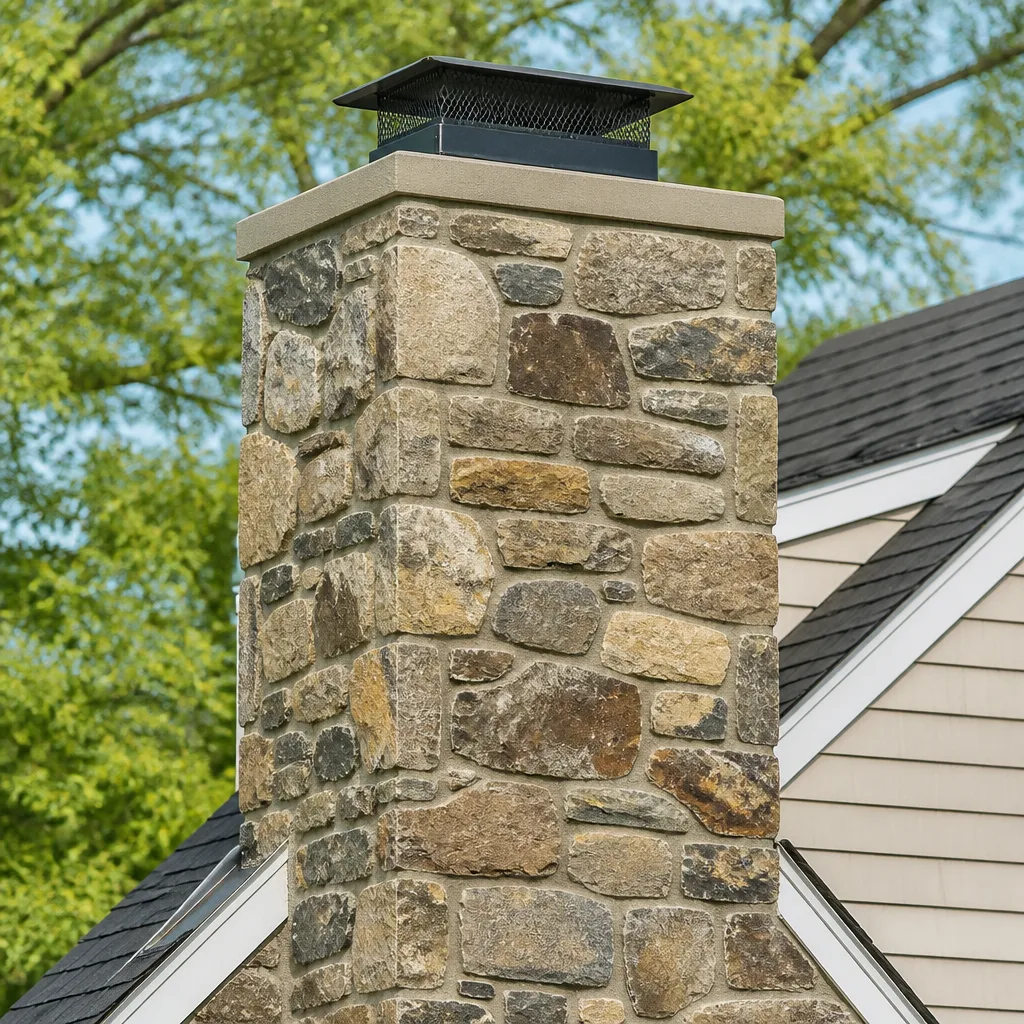
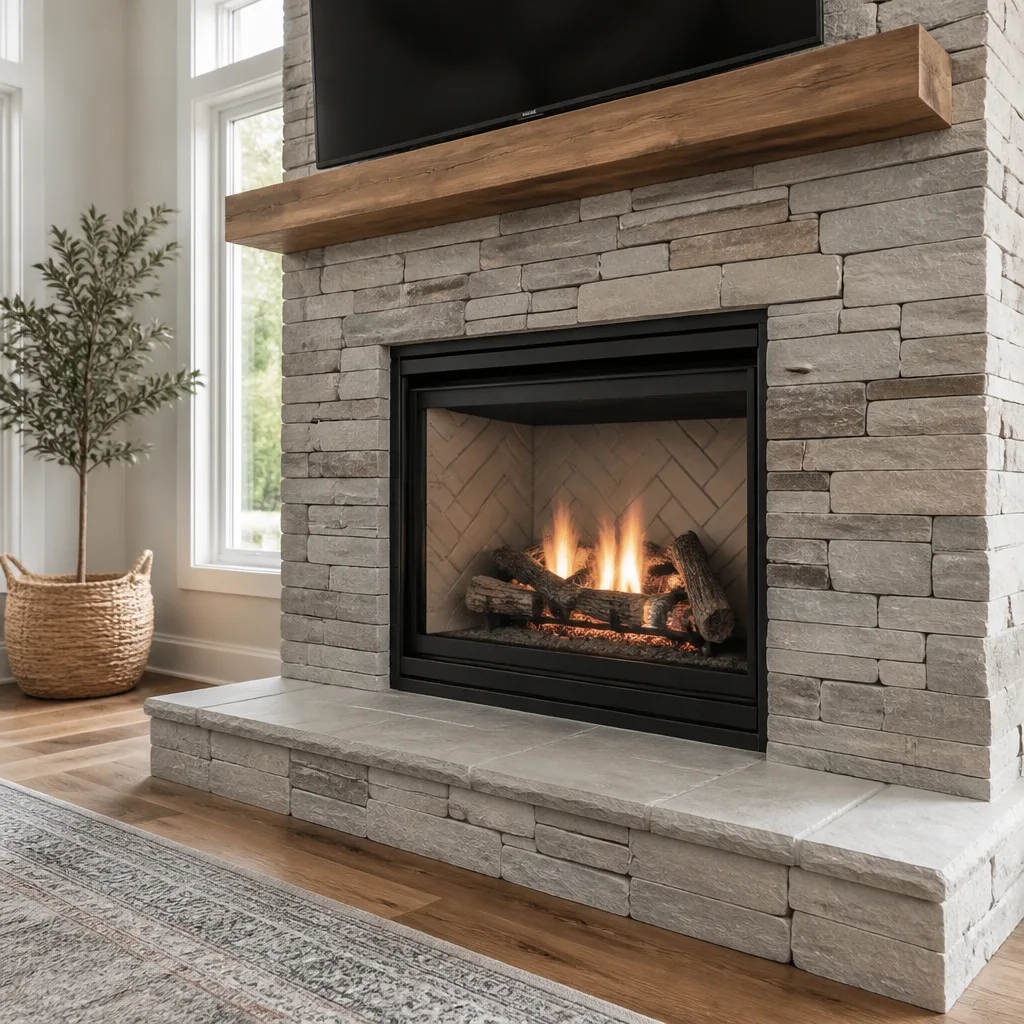
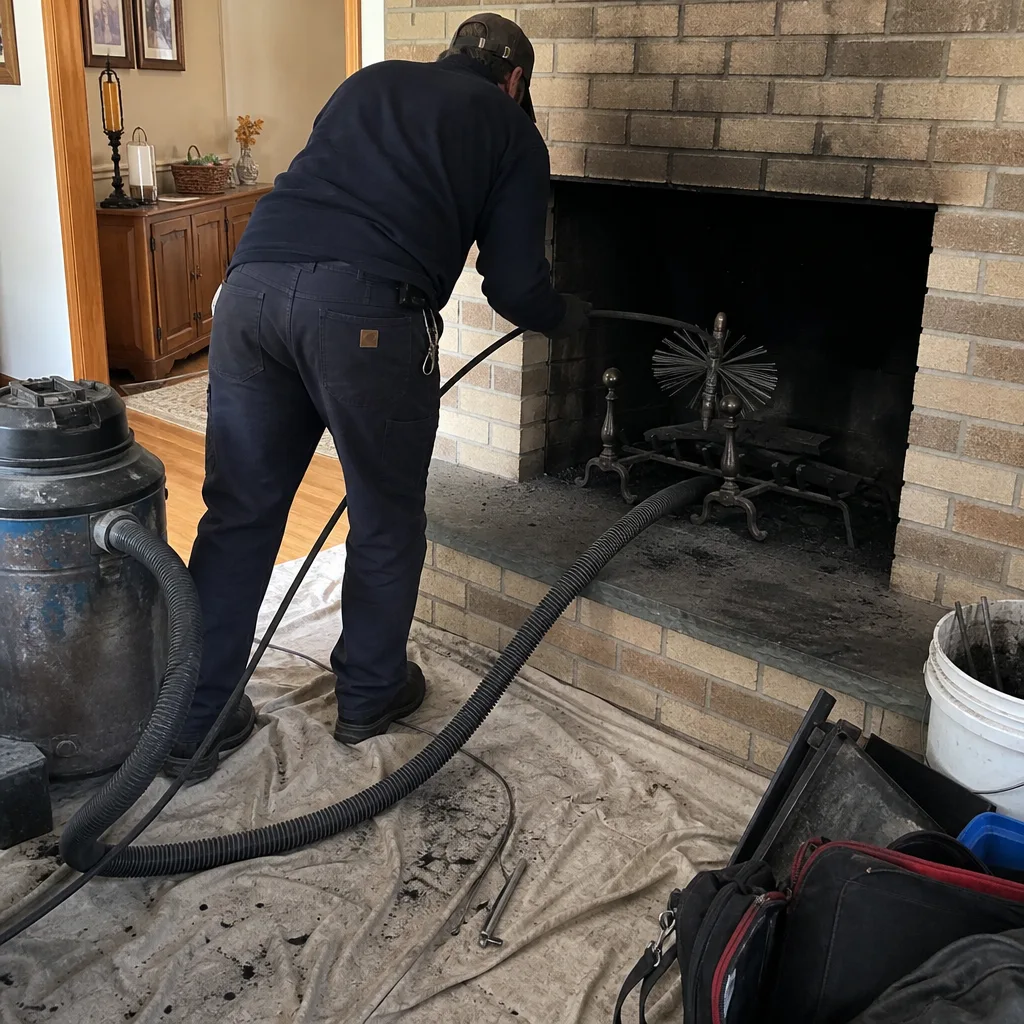 Before
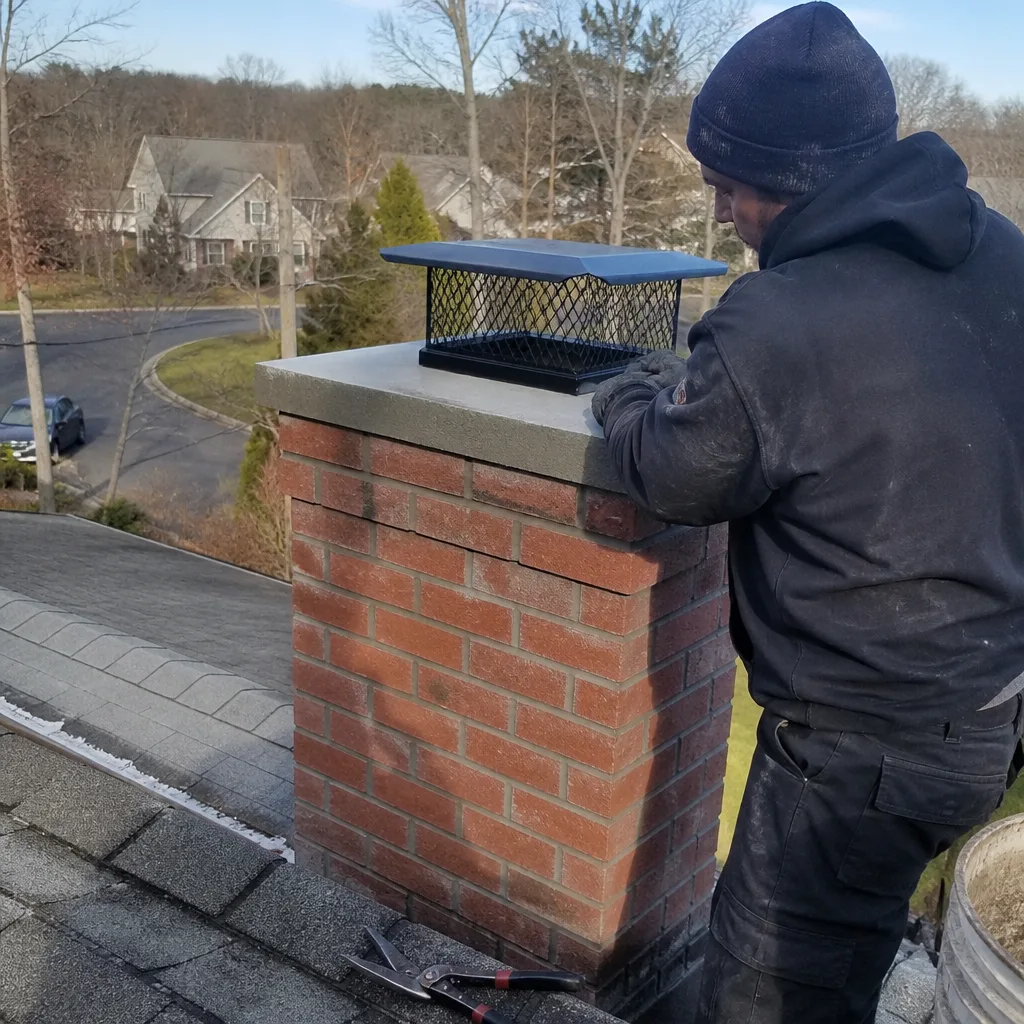 After
After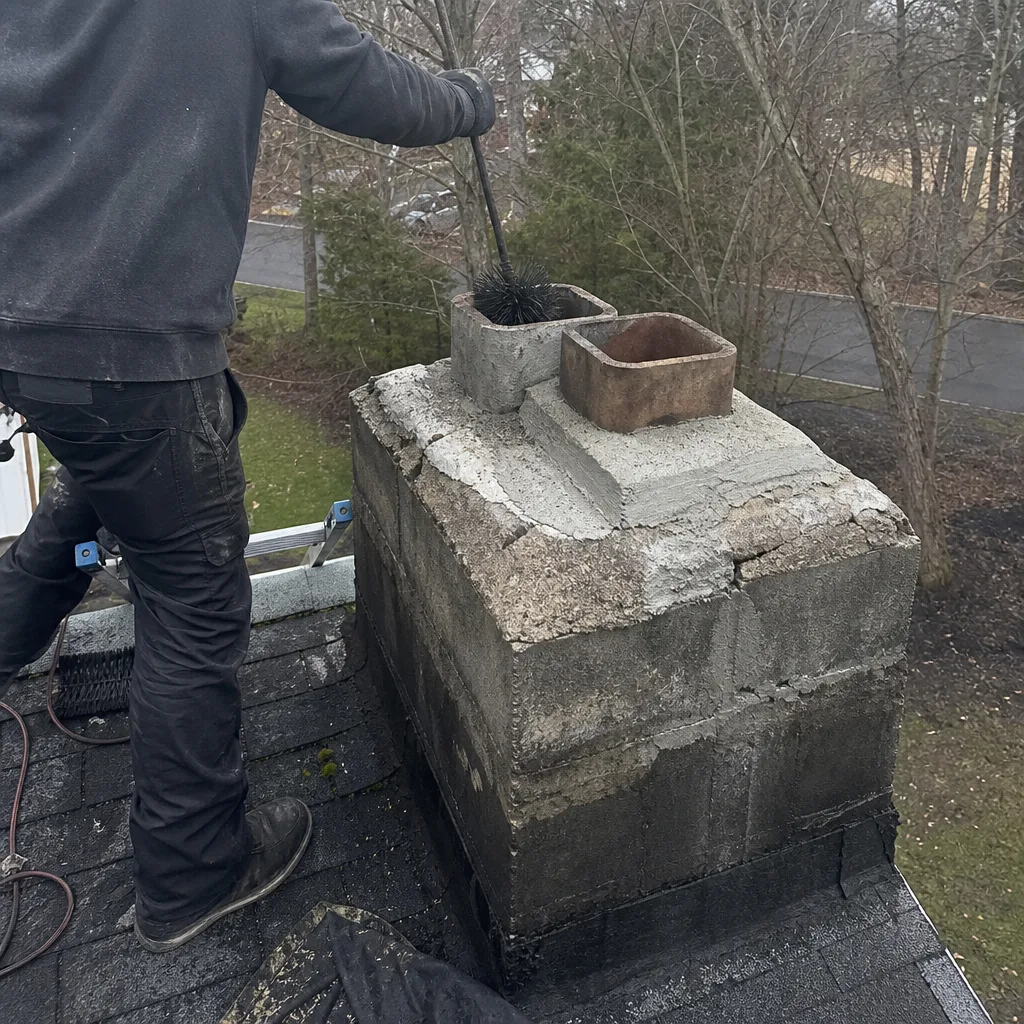 Before
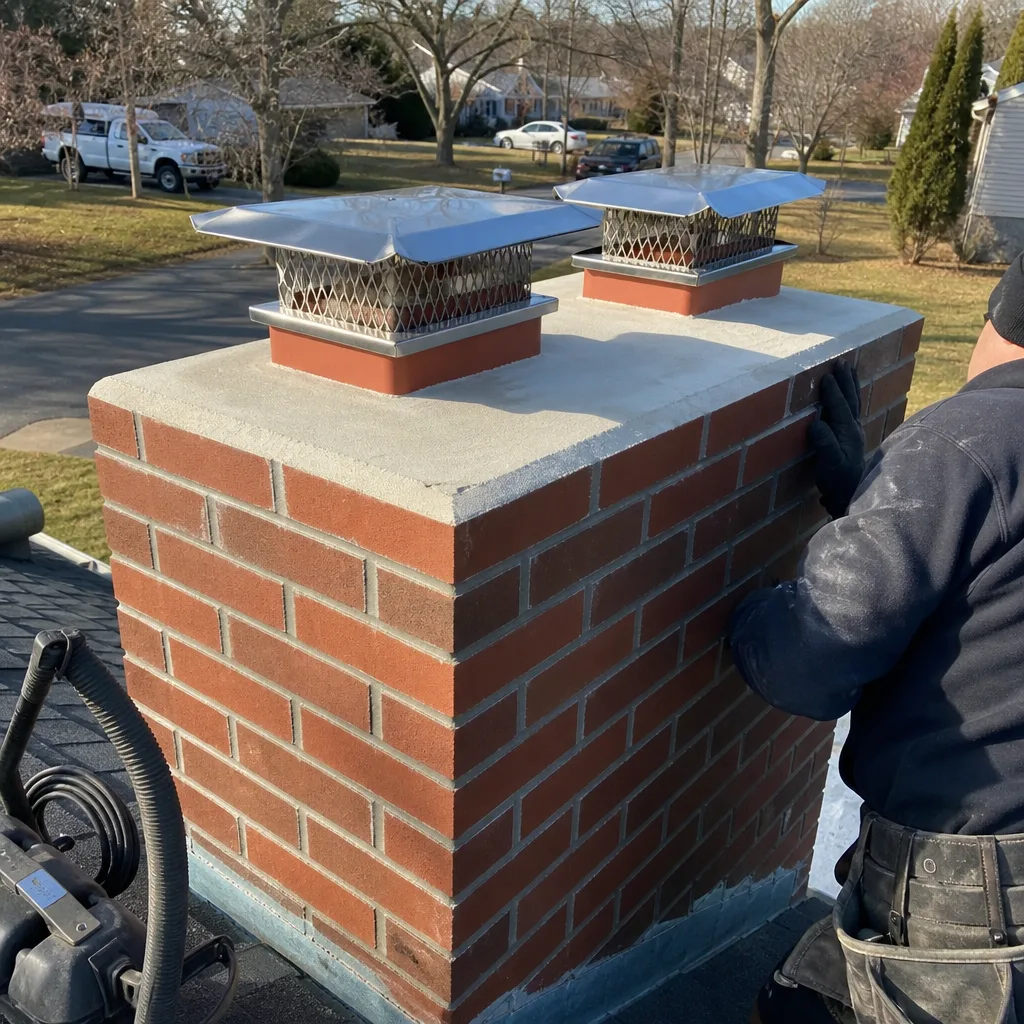 After
After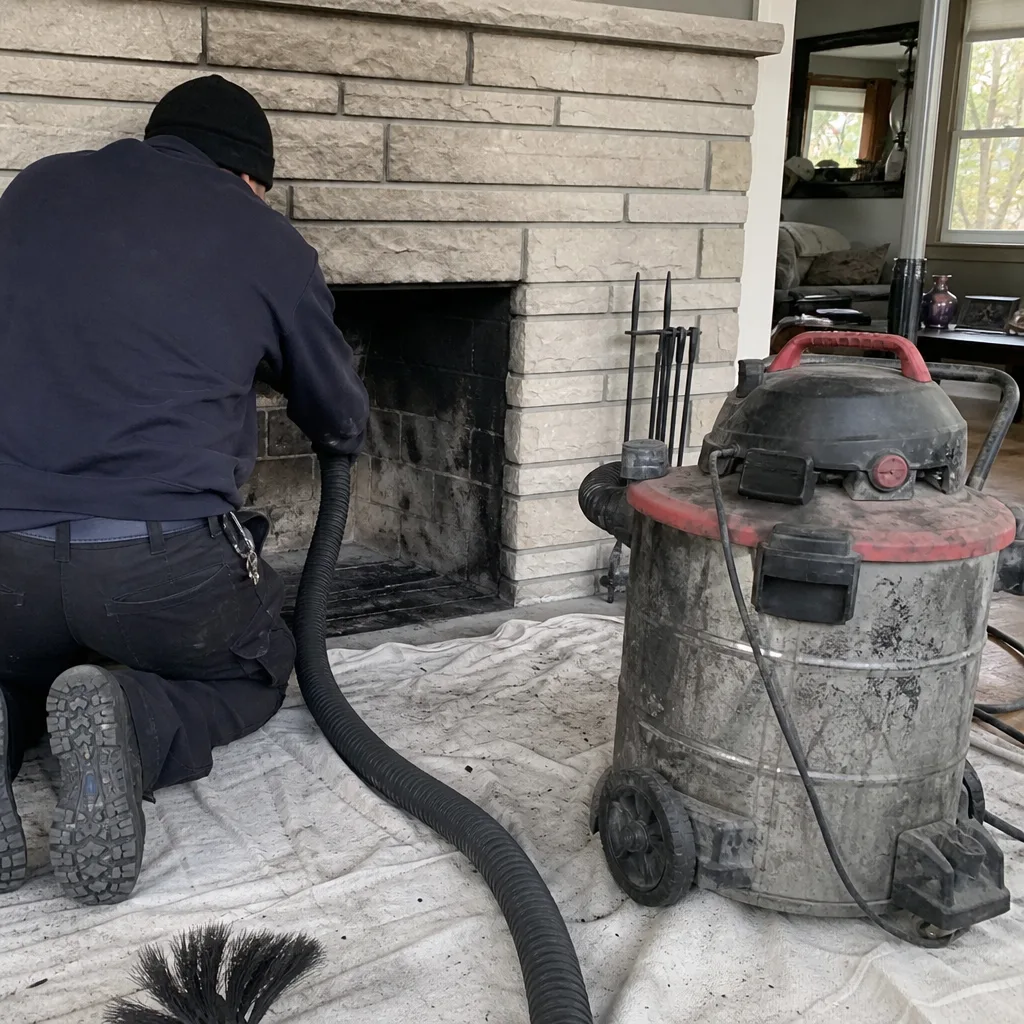 Before
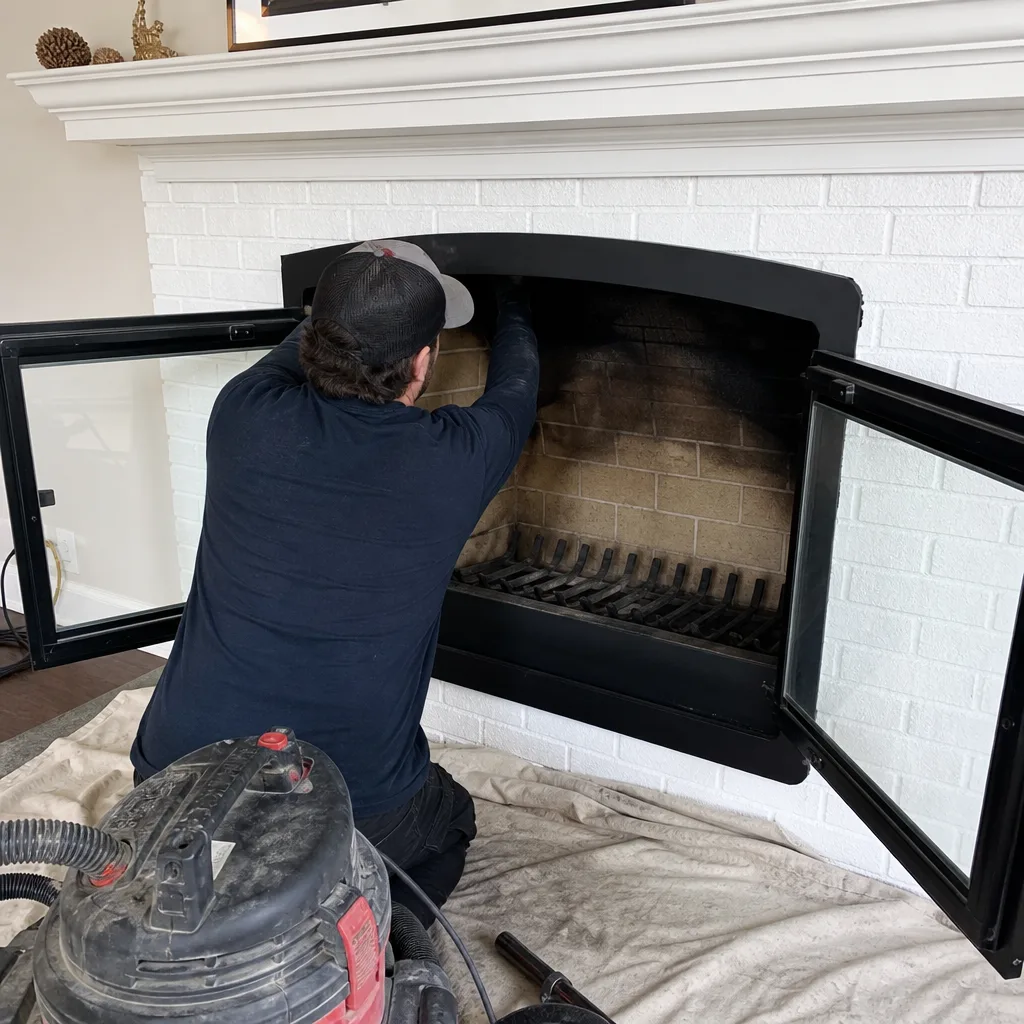 After
AfterSeasonal Chimney Cleaning Care for Commack: Year-Round Homeowner’s Guide
Most chimney damage on Long Island doesn’t happen during fire season. It happens in March and April, when freeze-thaw cycles finish the cracks that winter started, and nobody’s paying attention. The average Commack homeowner thinks about the chimney about six times a year, and five of those times are between November and February. This guide breaks down what’s actually happening to your chimney month by month, what needs doing and when, and what can safely wait. We’ve been working chimneys in Commack and the surrounding towns since 1999, and the seasonal rhythm of this climate never changes: water gets in, freezes, expands, and does its work whether you’re burning or not.
Quick Answer
Seasonal chimney care in Commack means four distinct jobs on four distinct schedules: a professional sweep and inspection every year regardless of burn frequency, a Chimney Cleaning & Sweep Maintenance Checklist for Commack Homeowners spring masonry check after the last freeze, a summer moisture and animal-prevention pass, and a fall readiness sweep before the first fire. If you do the spring check and the fall sweep consistently, you’ll catch 90% of expensive problems while they’re still cheap. Call (631) 502-3612 to get on the schedule for either one.
Table of Contents
- Why Commack’s Climate Is Harder on Chimneys Than You Think
- Spring in Commack: The Highest-Stakes Inspection Window
- Summer: Humidity, Odors, and What Moves In When You’re Not Looking
- Fall Timing: When “Ready for the Season” Actually Needs to Happen
- Winter Mid-Season: Warning Signs That Can’t Wait Until Spring
- How Often Should a Chimney Be Swept in Commack?
- Common Mistakes to Avoid
- When to Call a Professional
- Frequently Asked Questions
- The Bottom Line
Why Commack’s Climate Is Harder on Chimneys Than You Think
Commack sits in a particular weather band on Long Island that’s rough on masonry. We get the humidity of coastal air and the freeze cycles of inland winters, often in the same week. A brick chimney absorbs moisture year-round. When the temperature drops below freezing, that water expands by about 9% in volume. Do that forty or sixty times in a single winter and you won’t hear it happening, but you’ll see it in March.
The specific problem in Commack isn’t snowfall volume. It’s the oscillation. We rarely get a deep sustained freeze like upstate. Instead, we hover right around 32 degrees for weeks, which means the water in your bricks and mortar is freezing and thawing and freezing again every single day. That cycle is harder on brick than a straight cold snap, because each thaw pulls more water deeper into the pores before the next freeze locks it in place and pries outward.
What that means for homeowners is simple: your chimney is taking structural wear even in years you never light a fire. The firebox might be clean as the day it was built, but the crown, the cap, the flashing, and the mortar joints up top are aging on a schedule set by the weather, not by your burn habits.
This is why we tell people the same thing every year: once a year, burn or no burn. Chimneys break in the off-season too. The spring inspection is not about creosote. It’s about what the winter did to the structure while you were looking at the fire, not the flue.
Spring in Commack: The Highest-Stakes Inspection Window
If you only do one thing on this entire page, do this: book a chimney inspection in March or April. Here’s the answer to why spring matters more than fall for the long-term condition of a masonry chimney in Commack: the damage has already happened by the time you can see it in spring, and every month you wait, that damage compounds.
A crack in a chimney crown that opens in January doesn’t announce itself. Water runs into it, freezes, widens it by a millimeter, thaws, runs deeper. Come March, that hairline crack is a channel. By April, a chunk of crown is spalling off. By the following winter, water is running down the inside of the flue and staining your ceiling. Spring is when that entire sequence is still reversible for a few hundred dollars instead of a few thousand.
What a Spring Chimney Check in Commack Should Include
- Crown inspection: Look for hairline cracks, pooling water, and any sign the crown has separated from the flue tile. The crown is the concrete slab on top. It’s the single most common failure point on Long Island chimneys because it’s fully exposed to rain and freeze-thaw all year.
- Mortar joint assessment: Run a visual check of the brick face. Soft, crumbling, or receding mortar is the first sign of water intrusion. In Commack, the south-facing side takes the worst of it from afternoon sun and evening freeze.
- Flashing check: The metal where the chimney meets the roofline is a leak magnet. Spring is the right time to inspect it because winter ice dams have already stressed whatever was weak.
- Cap and screen condition: The cap keeps rain out of the flue. The screen keeps birds, squirrels, and raccoons out. Spring is when animals start nesting, so a torn screen becomes an active problem within weeks.
- Flue liner scan: A camera down the flue shows cracks, gaps, or deterioration you can’t see from the top or bottom. We don’t recommend liner work without camera footage you can see with your own eyes. That’s been our rule since day one.
In our experience, spring inspections in Commack routinely find three conditions: cracked crowns, deteriorated mortar joints, and missing or damaged caps. None of those are emergencies in April. All of them are more expensive in October. That’s why the spring check exists.
If you want to get ahead of it, the Chimney Repair in Commack page covers the most common fixes and what they cost.
Summer: Humidity, Odors, and What Moves In When You’re Not Looking
Summer is the season most homeowners forget the chimney exists. In a coastal-humidity climate like Commack, that’s exactly when the problems you smell but can’t see start brewing.
The issue is this: a wood-burning fireplace and flue collect creosote residue during the burn season. That creosote is hygroscopic, which means it pulls moisture out of the air. If you don’t clean the flue in spring after the last fire, the creosote sits in there all summer, absorbing Long Island humidity, and by late July, you’ve got the black, sour, campfire-in-a-basement smell wafting into the living room on muggy days. It’s not a fire risk, but it’s unpleasant, and it’s one hundred percent preventable with a post-season sweep.
Summer is also when animals are looking for a nursery. Chimney swifts, starlings, sparrows, squirrels, and raccoons all see an uncapped flue as premium real estate. If a bird builds a nest in your flue and you light the first fire of fall without checking, you’ve got a blocked flue, smoke pouring into the room, and a potential chimney fire. If a raccoon has a litter, you have a noise problem and a protected-species removal issue that can take weeks to sort out.
Summer Chimney Checklist for Commack Homes
- Schedule a post-season sweep. A professional Chimney Cleaning & Sweep in Commack removes the creosote that causes summer odor. Do it in April or May, and the humidity problem never starts.
- Verify the cap and screen are intact. A loose cap is an open door. A torn screen is a welcome mat.
- Run a dehumidifier near the fireplace during July and August if you’re sensitive to the creosote smell and didn’t get a spring sweep done.
- Check the damper seal. A damper that doesn’t close fully lets humid air and insects into the firebox. Close it tight, and if it won’t seal, that’s a cheap hardware fix.
- Book your fall sweep early. This is also when people think about it, which means the schedule fills up by late September.
Summer is also when we do a good amount of liner work, because the weather allows it and the flue is dry and open. If a spring inspection found a cracked or deteriorating liner, scheduling the repair for June or July means you’re done and ready before anyone else in Commack is even thinking about firewood. Products like HeatShield resurfacing and DuraFlex stainless liners are installed in warm dry months, which makes for a better bond and a faster job.
Fall Timing: When “Ready for the Season” Actually Needs to Happen
Every year around the first week of November, we get a run of calls from homeowners in Commack who want their chimney swept “before Thanksgiving.” By then, we’ve been on a fall schedule since late August, and the people getting same-week service are the ones who called in September. The honest truth: if you’re calling in November, you’re already late. Not because we won’t come, but because the season got ahead of you.
Here’s what “ready for the season” actually means, and when it should happen in Commack:
- Late August to early September: Book your fall sweep. You want it done before the first cold snap, not after it. The schedule fills from October backward.
- September to early October: The sweep and inspection. We remove creosote, clear any obstructions, check the cap and screen, verify the damper, and run a camera scan if anything looks questionable. This is also when we check the exterior for anything that changed over the summer.
- Mid-October: You should have a clean chimney, a verified cap, and a season’s worth of firewood stacked and covered. First fire can happen whenever the temperature drops.
- November: This is for emergency calls, not scheduled maintenance. If you waited, you’re competing with everyone else who waited, and you may be running your first fire before anyone has confirmed the flue is clear.
The fall sweep is the one everyone knows about, and for good reason. It clears the creosote that accumulated last season and confirms the flue is safe to burn. But if you did a spring inspection and a summer animal check, the fall sweep is quick, cheap, and usually uneventful. That’s the point. A boring fall inspection means the system worked.
If you’re unsure whether your fireplace needs a professional once-over or just a quick clean, the Fireplace Services in Commack page walks through what’s included in a service call.
Winter Mid-Season: Warning Signs That Can’t Wait Until Spring
You’re burning regularly, the fire looks good, and life is fine. But some things change mid-season, and if you catch them in December or January, you save yourself a spring surprise. Here are the warning signs that mean the chimney shouldn’t wait until spring for a look:
- Smoke backing into the room: A flue that was drafting fine in November and starts puffing smoke in January has either accumulated creosote faster than expected, has a partial blockage, or has a draft problem. Any of those need eyes on them within days, not months.
- A smell like asphalt or hot tar when the fire is going: That’s the smell of creosote heating up. It doesn’t mean a fire is imminent, but it means you’re burning with a dirty flue and every fire is adding to the load.
- Glazed, shiny black deposits visible from the top or through the damper: That’s third-degree creosote. It’s not a brush job, it’s a glaze, and it requires professional removal. This is one of the highest-fire-risk conditions a chimney can have.
- Visible water stains on the ceiling or walls near the chimney: Water is getting in somewhere, and during winter, it’s finding the path of least resistance. The longer it runs, the more it takes with it.
- Sudden loud noises from the flue: Birds, squirrels, or bats in the chimney need to be dealt with before you burn again. The nest, the animal, and the debris all need to be cleared.
- A fire that’s hard to start or won’t stay lit: Poor draft can be a blocked flue, a damper issue, or bigger structural changes. It won’t fix itself by spring, and every fire you force through a restricted flue is a roll of the dice.
Any of these signs means one thing: call and have a sweep out. We’re reachable around the clock, and the person who answers is a live person, not a recording. If it’s winter, we know why you’re calling, and we’ll tell you straight whether it can wait or not.
One more winter note for Commack specifically: snow sitting on the chimney crown, then melting and refreezing is exactly the freeze-thaw cycle we talked about earlier, happening in real time. If you’re on the roof clearing snow, don’t hammer ice off the chimney. That’s how crowns crack. Let it melt naturally and keep the flue clear from the inside.
How Often Should a Chimney Be Swept in Commack?
The standard answer from the National Fire Protection Association and every chimney professional we know is the same: once a year, regardless of how often you burn. We’re not going to dress that up, because it’s the honest answer. The flue doesn’t care whether you burned fifty fires or five. Creosote forms in low, slow fires too, and the chimney top is aging on a weather schedule, not a burn schedule.
For most homes in Commack that means two possible rhythms, and either one works:
Option A: One Annual Sweep in the Fall
This is the most common. The sweep happens in September or October, before the burning season starts. It clears the creosote, verifies the flue is clear, and gives the whole system a once-over before you light the first fire. The downside is that it doesn’t address the spring freeze-thaw damage until the following fall, which means some issues sit for six months before anyone sees them.
Option B: Two Seasonal Visits (Recommended for Older Chimneys)
A spring inspection after the last freeze and a fall sweep before the first fire. This is the schedule we recommend for any Commack home with a chimney built before about 1990, or any masonry chimney that’s already shown cracking, spalling, or water issues. The spring visit catches structural damage while it’s fresh. The fall visit gets you burning-safe. Between the two, the system gets eyes on it every six months, which leaves very little time for anything to quietly deteriorate.
If you burn more than three cords a year, or you burn unseasoned wood, the schedule shifts to twice a season regardless of age. Unseasoned wood produces dramatically more creosote per fire, and a flue can go from safe to heavily coated in under a hundred burns.
Common Mistakes to Avoid
- Skipping the spring check because the chimney “worked fine all winter.” The fire working and the chimney being structurally sound are two different things. The freeze-thaw damage happens whether you burned or not, and it’s invisible from the living room.
- Using the fireplace as a trash burner. Wrapping paper, cardboard, pizza boxes, and junk mail all burn hot and fast, but they also throw sparks up the flue and leave behind light, fluffy creosote that clings to the liner. In Commack, that’s the fastest way to a mid-season blockage.
- Burning unseasoned wood and calling it good enough. Wet wood smolders, smoldering produces creosote, and creosote is what burns. If you hear hissing wood or the glass doors soot up fast, the wood’s too wet. It needs to be split, stacked, and dried for at least six to twelve months.
- Waiting until November to schedule a sweep. First cold snap doubles the call volume overnight. The September callers get the slots they want. The November callers get what’s left.
- Ignoring a small water stain on the ceiling. Water marks don’t dry up and go away. They mark the top of a path. The actual leak is usually at the chimney top, and the longer it runs, the more it costs to fix.
- Going with the cheapest quote without checking who’s showing up. A low price from a national outfit that sends a different subcontractor every time is not savings. You want the name of the sweep who’s going to be on your roof, and you want to know they’ll answer the phone in February. We put our name and license number on every job. Ask anyone on your street.
- Assuming a newer home has nothing to worry about. Builders grade chimneys vary. We’ve found cracked crowns and missing screens on chimneys less than ten years old. Age matters less than exposure and installation quality.
When to Call a Professional
Some jobs are weekend-warrior territory, and some aren’t. If you’re looking at a chimney with any of the following, this is not a DIY situation: a cracked or crumbling crown, visible spalling brick, glazed or sticky creosote, a blocked flue, animals in the chimney, water stains inside the house near the fireplace, or any flue that hasn’t been inspected in over a year. The dangerous part of chimney work isn’t the sweeping, it’s the access. Working on a ladder against a roof flashing requires knowledge and equipment most homeowners don’t have, and working inside a flue with creosote residue is genuinely hazardous. Your flue doesn’t care how the fire looks. It cares how it breathes. If you’re not sure, call and ask. We’ll give you an honest answer, and if you don’t need a sweep, we’ll tell you that too. For Chimney Cleaning Permits, Codes & Inspections in NY: What You Need to Know, Top Hat Chimney offers free estimates in Commack. Call (631) 502-3612 and talk to a live person.
Frequently Asked Questions
A standard chimney sweep and inspection in Commack typically runs between $180 and $340, depending on the height of the chimney, the accessibility of the roof, and how long it’s been since the last cleaning. For a detailed breakdown, see our Chimney Cleaning Cost Breakdown: The Commack Homeowner’s Reference for 2026. If the flue has heavy creosote buildup or requires a camera inspection, the price goes up. We give you a firm price before any work starts, and the number on the phone is the number on the invoice. Call (631) 502-3612 for an exact quote.
Maybe, but you shouldn’t take anyone’s word for it without seeing footage. A deteriorated liner is a real fire and carbon monoxide risk, but it’s also one of the most oversold repairs in the chimney industry. The standard we hold is simple: we run a camera down the flue, we show you the footage, and we tell you plainly whether the liner is failing or just dirty. If multiple quotes disagree, we’ll give you a free second opinion on any written estimate. Call (631) 502-3612 to set it up.
Once a year, minimum, even if you only burn a handful of fires. The creosote that forms from occasional, low-burning fires is different from the creosote of a hot fire, but it’s still there, and it still accumulates. Your chimney is also taking freeze-thaw damage in the Commack winter whether you burn or not. The annual sweep includes the inspection that catches that.
Best case, you get smoke backing into the room and a stubborn smell. Worst case, the creosote reaches ignition temperature and you have a chimney fire: loud, fast, and capable of cracking a flue liner or spreading into the house. In between, you get moisture damage, animal intrusion, and a steady accumulation of expensive problems. A chimney that’s been neglected for three years costs more to bring back than one that’s been maintained. The math works in your favor to keep up with it.
Spring, without question, for the structural side. March and April are when freeze-thaw damage becomes visible and before it worsens further. Then a fall sweep in September or early October for the burning-season readiness. If you’re only going to do one visit a year, make it early fall, but know that you’re missing the window where the most expensive problems are cheapest to fix.
You can, but we don’t recommend it for most people. The risk isn’t the brushing; it’s the ladder work, the roof access, and the fact that you can’t see the flue’s condition from the top or bottom without the right tools. A professional sweep includes a full inspection, and that inspection is the part that saves you thousands. If you’re set on doing it yourself, do it in dry weather with proper fall protection, and never work on a chimney alone. But for most homeowners, the cost of a professional sweep is cheap insurance compared to the cost of missing something.
The Bottom Line
Your chimney is part of the house, and in Commack, it’s a part of the house that takes beating from weather even when it’s not being used. The seasonal schedule that protects it is not complicated: inspect in spring, protect in summer, sweep in fall, and stay alert in winter. That rhythm catches structure damage before it spreads, keeps the flue clear before you burn, and prevents the day-one surprises that turn into night-one emergencies. If you do nothing else, do the annual sweep. If you want to do it right, add the spring check. We’ve been working chimneys in this town since 1999, and we’ll tell you straight what needs doing and what doesn’t. The Top Hat Chimney home page has our full service list. If you want to get on the schedule, call (631) 502-3612 and talk to a live person. Estimates are free, and we stand behind everything we do with the 90-Day Done Right Promise, in writing, on every job.
Written by Wendell Pike, Owner at Top Hat Chimney, serving Commack since 1999. Browse our more guides & resources for chimney care.