
Last updated September 10, 2026
Level 1 sweep and inspection to the NFPA 211 annual standard - flue, crown, cap, and flashing checked and photographed
Chimney sweep logs do not sweep chimneys. They loosen some creosote - which then falls where a brush and vacuum still have to collect it.
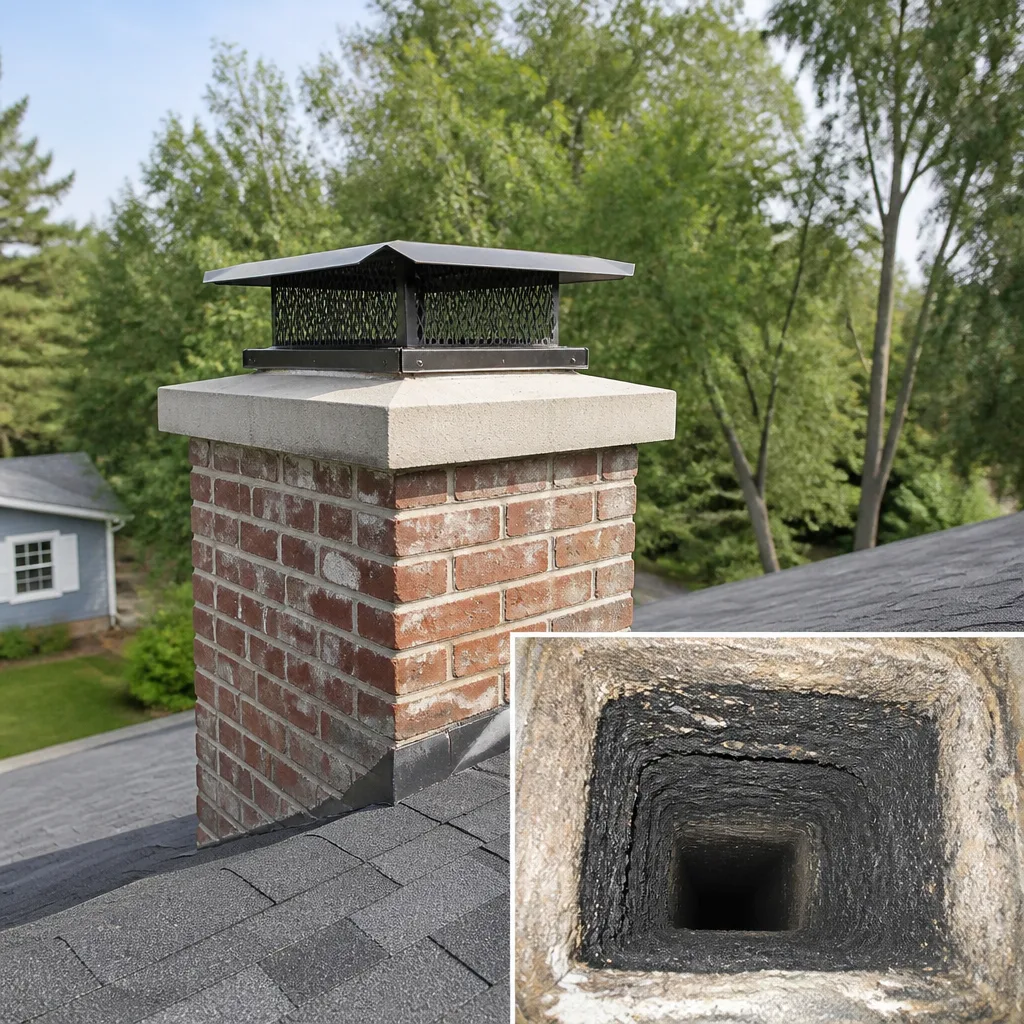
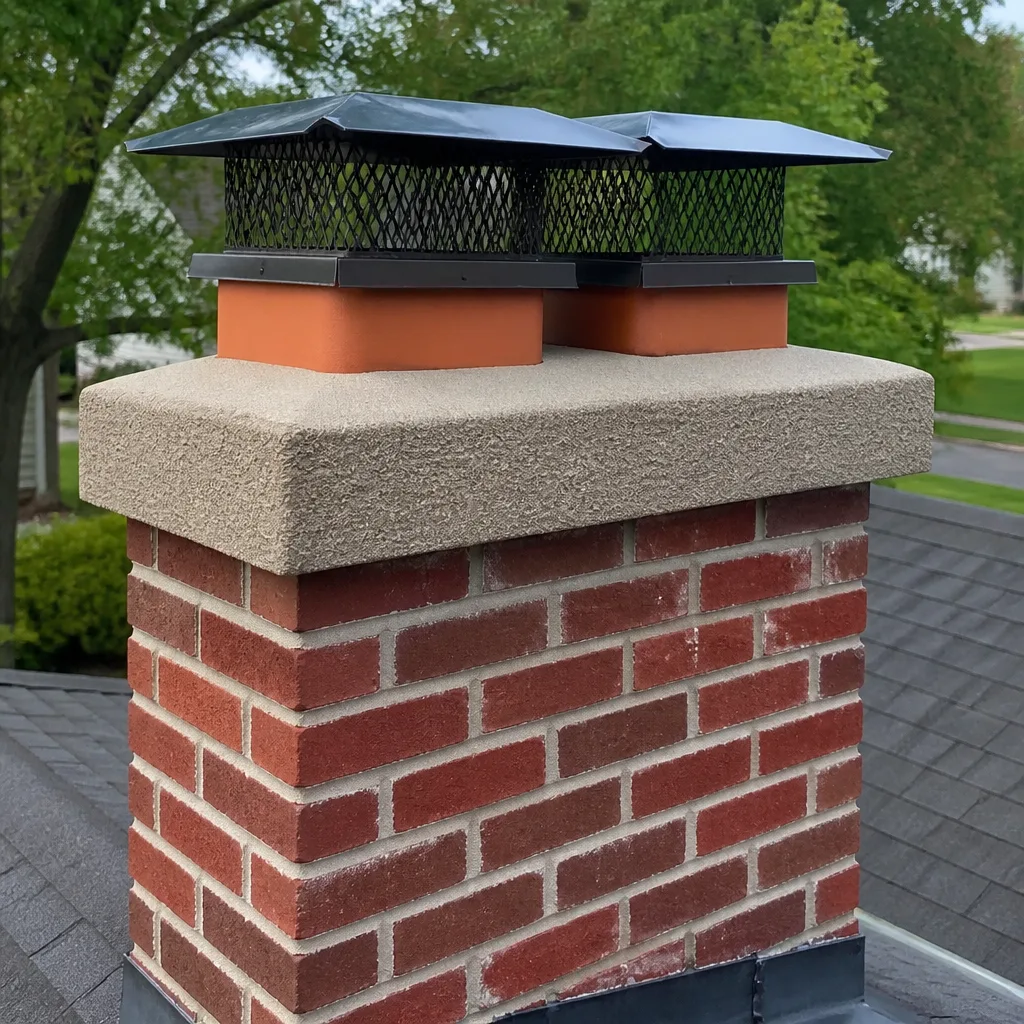
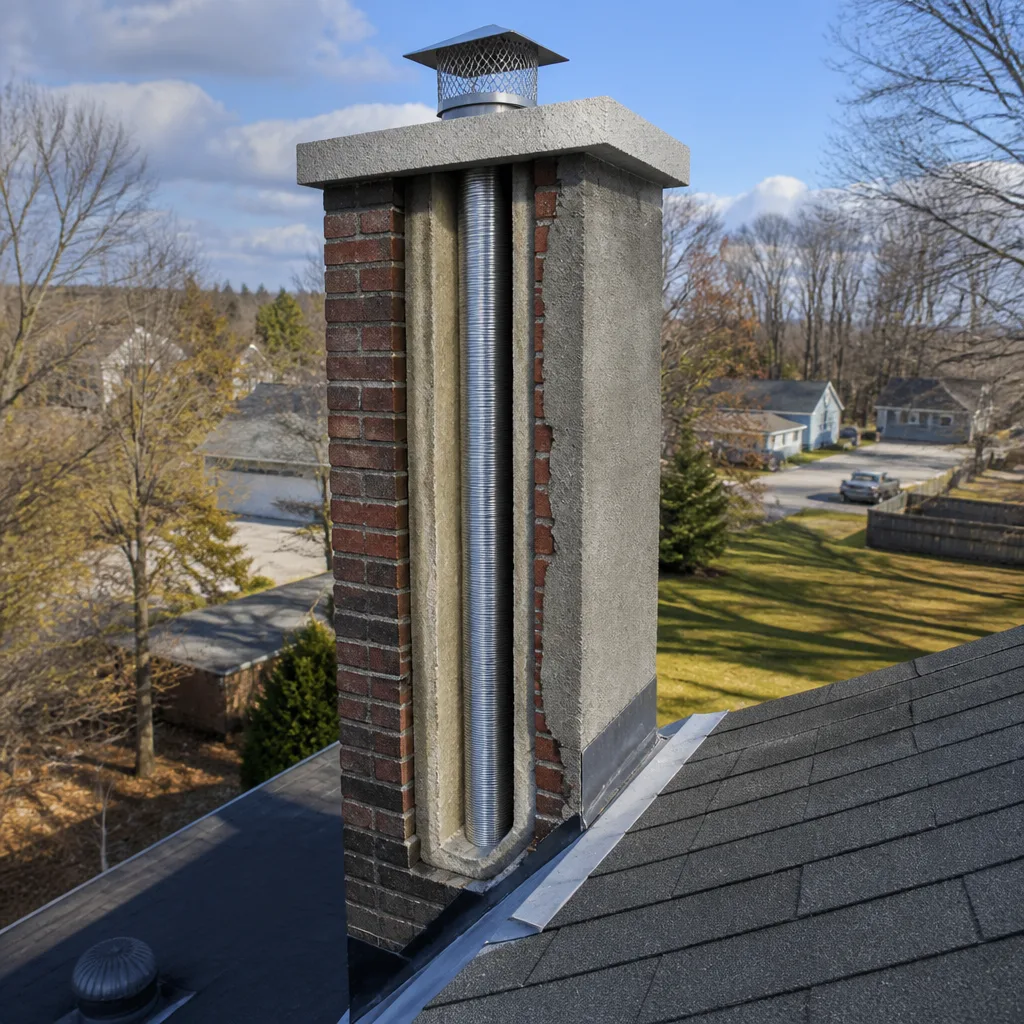
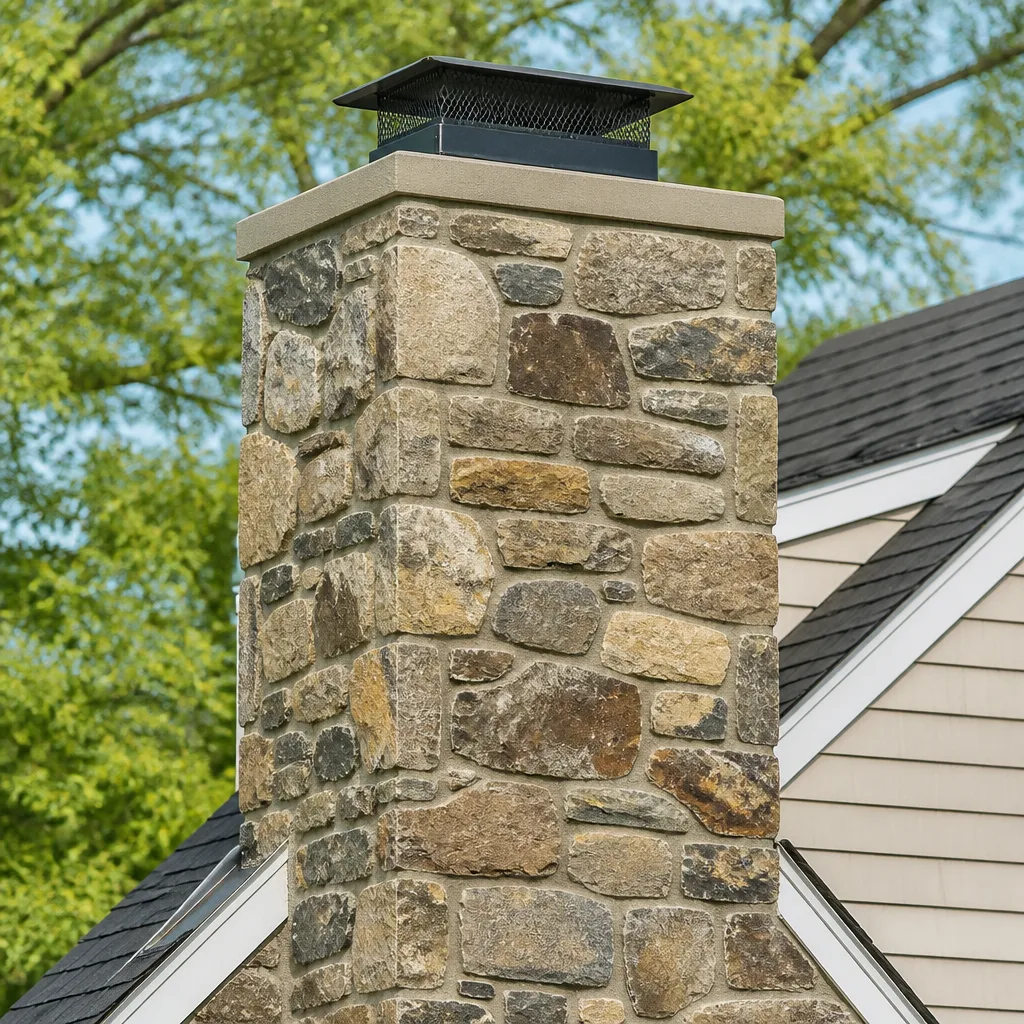
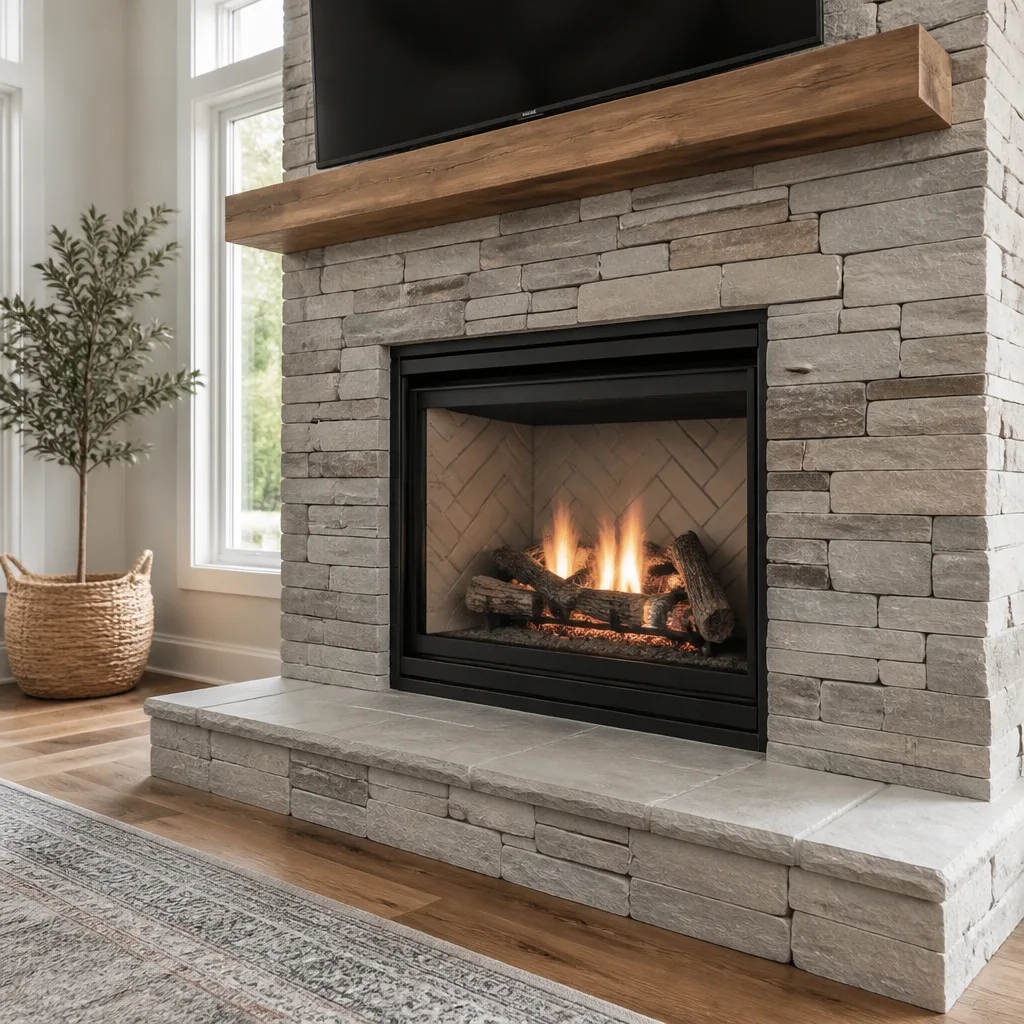
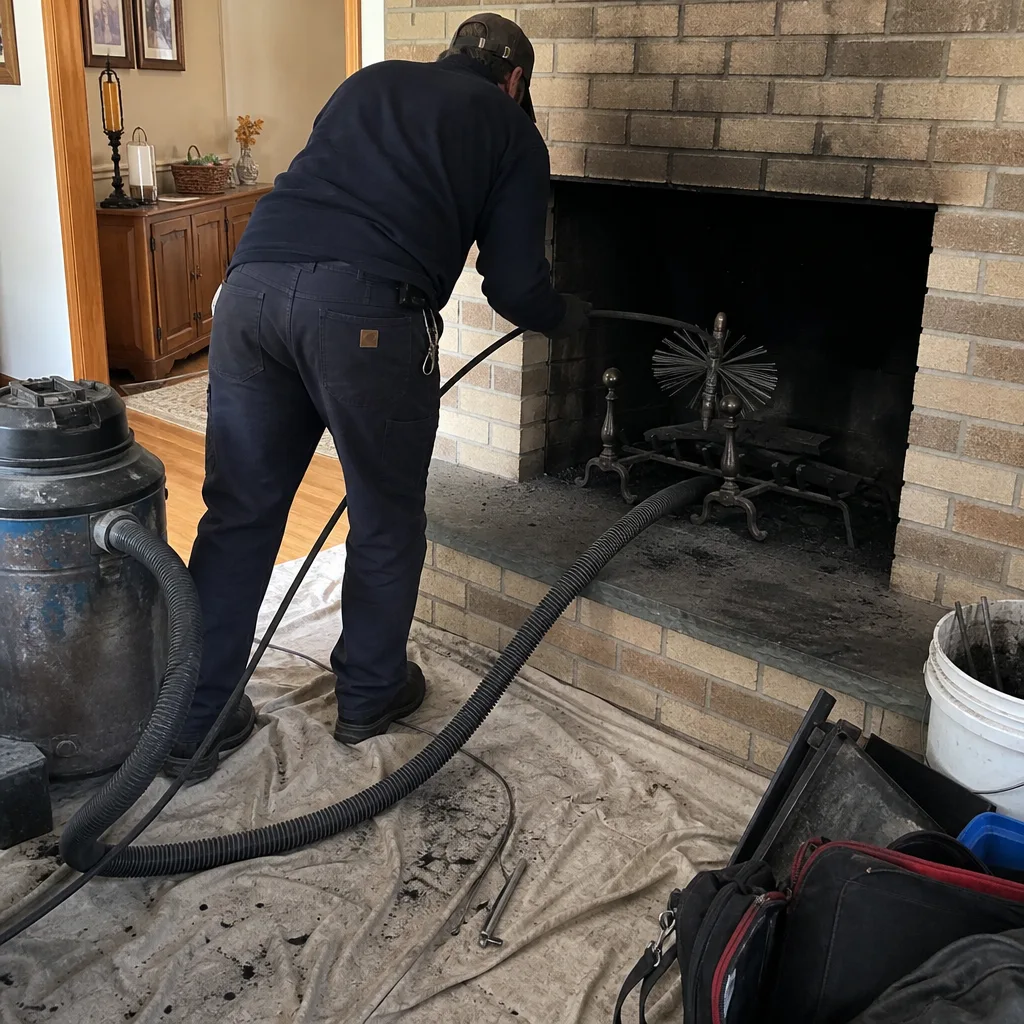 Before
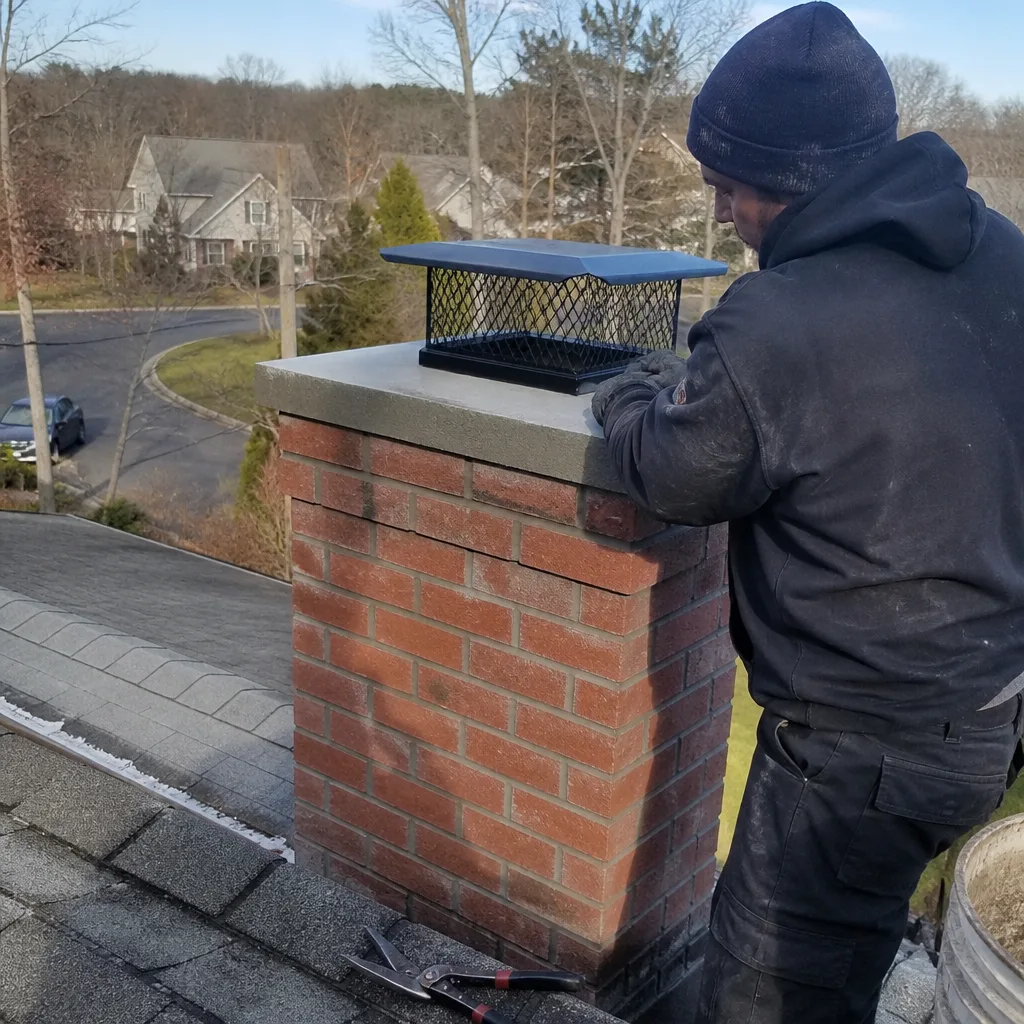 After
After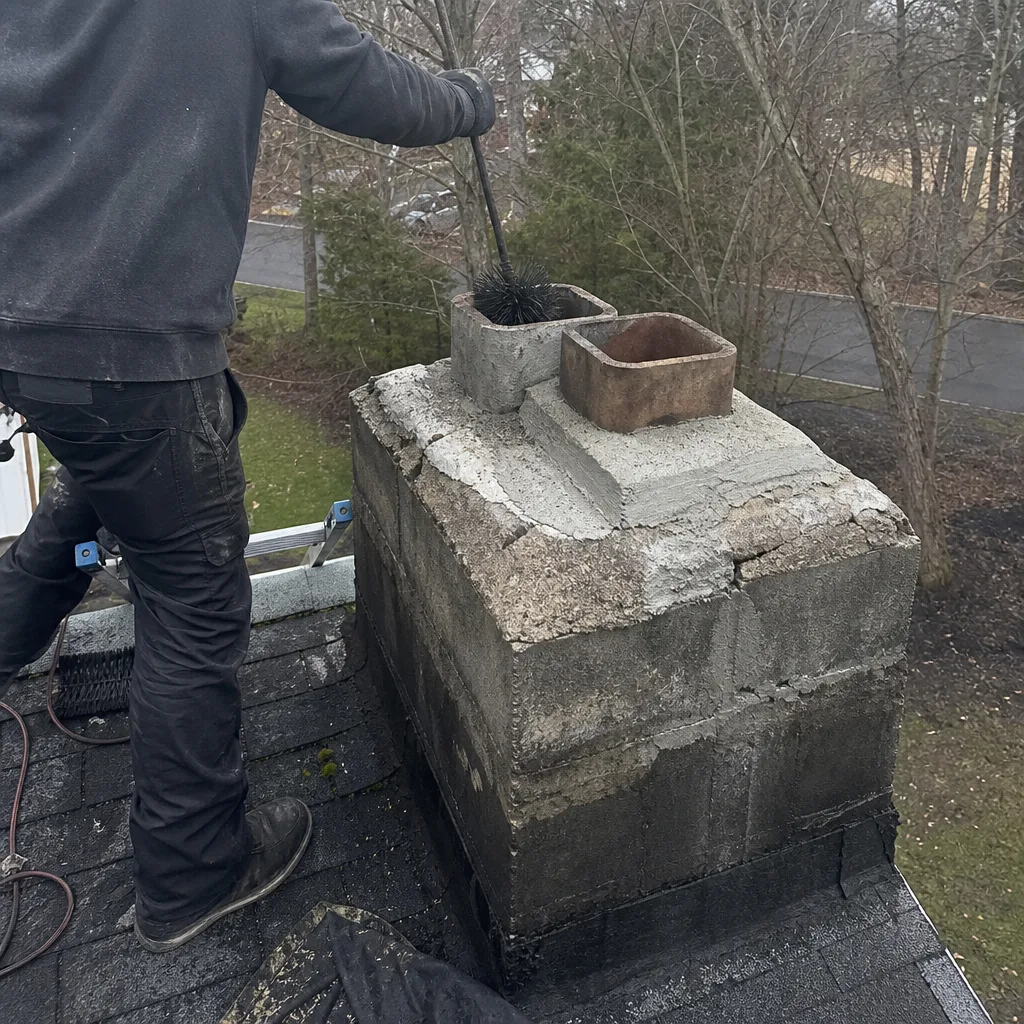 Before
 After
After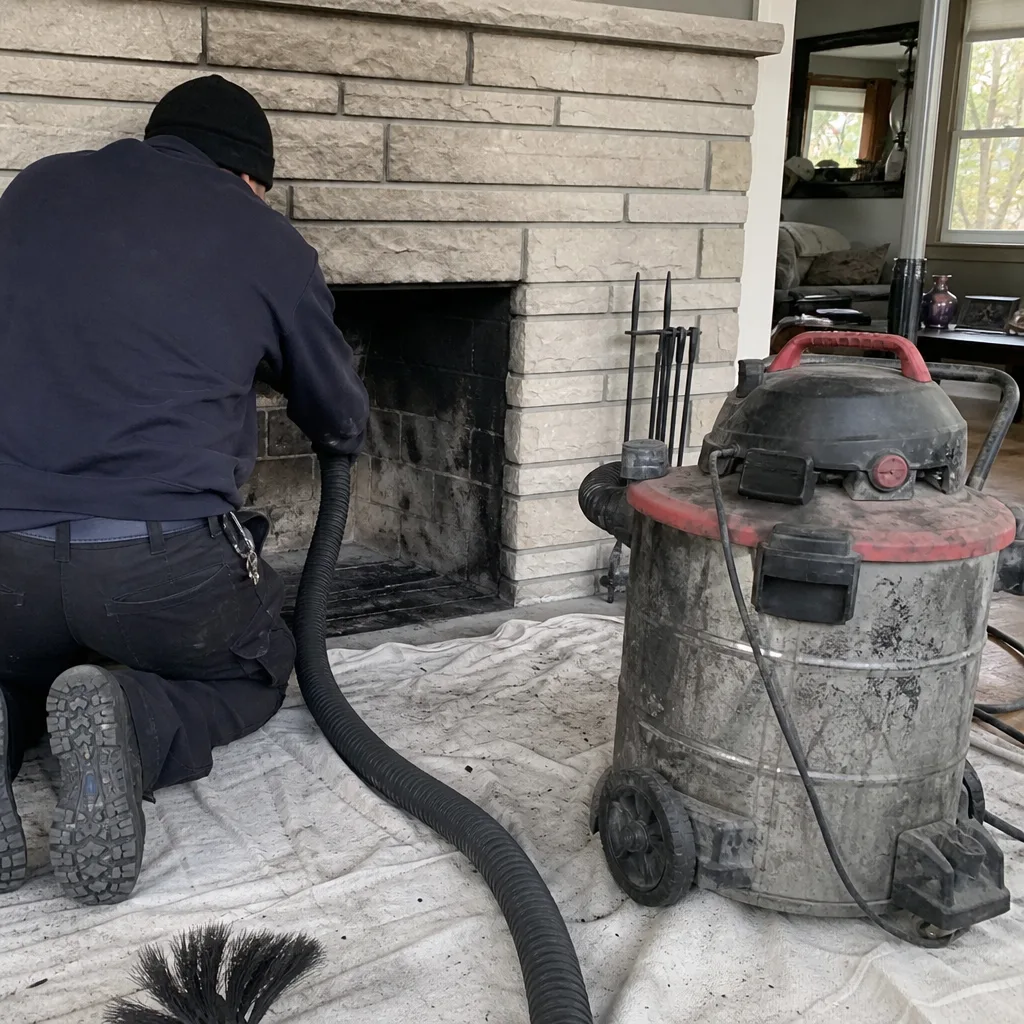 Before
 After
AfterChimney Cleaning & Sweep Maintenance Checklist for Commack Homeowners
Nine out of ten chimney complaints that reach us after a burning season in Commack could have been caught with a five-minute look in October. The catch is knowing what you’re actually looking at, and most checklists don’t tell you that. They hand you boxes to tick without explaining what a failing crown looks like from the ground or why the damper that opens fine but won’t seal closed is quietly costing you money all January. This guide is built around the failure points I’ve seen repeat themselves in Commack homes since 1999, so you know what to flag before you call anyone.
Quick Answer
A proper chimney maintenance checklist for a Commack home covers three rhythms: a five-minute visual check from the ground every few weeks during burn season, a short after-every-fire routine, and one thorough annual inspection by a certified sweep with a camera as part of our Chimney Cleaning & Sweep services. If you’re only doing the annual visit and skipping the rest, you’re leaving the most expensive problems to develop in the months between visits.
Table of Contents
- The Homeowner’s Ground-Level Checklist: What You Can Safely See Yourself
- The Professional’s Camera Checklist: What Only a Trained Eye Can Verify
- The After-Every-Fire Short List
- Long Island Weather and What It Does to a Chimney: The Commack-Specific Items
- The Damper Test Most Homeowners Skip
- Clean Now vs. Monitor Until Next Season: How to Tell the Difference
- Common Mistakes to Avoid
- When to Call a Professional
- Frequently Asked Questions
- The Bottom Line
The Homeowner’s Ground-Level Checklist: What You Can Safely See Yourself
This is the part of chimney cleaning and sweeping in Commack that doesn’t require a ladder, a camera, or any special training. It requires fifteen minutes, decent daylight, and a willingness to actually look up. In our experience, most homeowners never do this between annual inspections, and that’s exactly when the slow, quiet problems take hold.
The Five-Point Visual Check
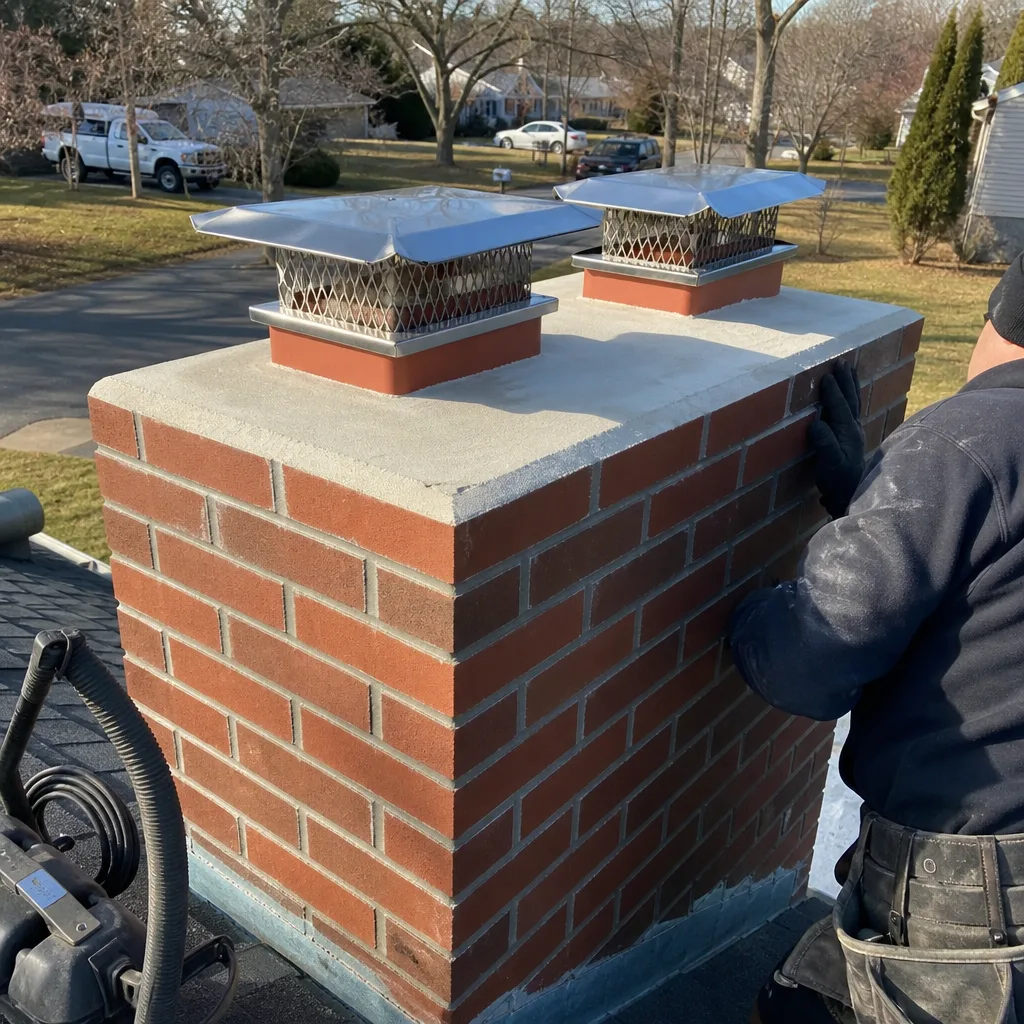
- The crown. Stand in your yard and look at the concrete slab on top of the chimney. If you can see cracks from the ground, they’re already big enough to matter. Hairline cracks you can’t see from ground level are what the camera inspection catches later.
- The flashing. The metal where the chimney meets the roof line. Look for lifted edges, rust streaks, or gaps. On Long Island, freeze-thaw cycles pry flashing loose slowly, and water follows the gap down into the attic before you ever see a spot on the ceiling.
- The brick faces. Look for white powdery staining, which is efflorescence, and any brick face that’s popped off, which is spalling. Both mean water is inside the masonry, not on the outside where it can run off.
- The cap. Is it still there? Is the mesh screen intact? A missing cap in Commack means rain, leaves, and the occasional squirrel or raccoon have an open invitation into the flue between burns.
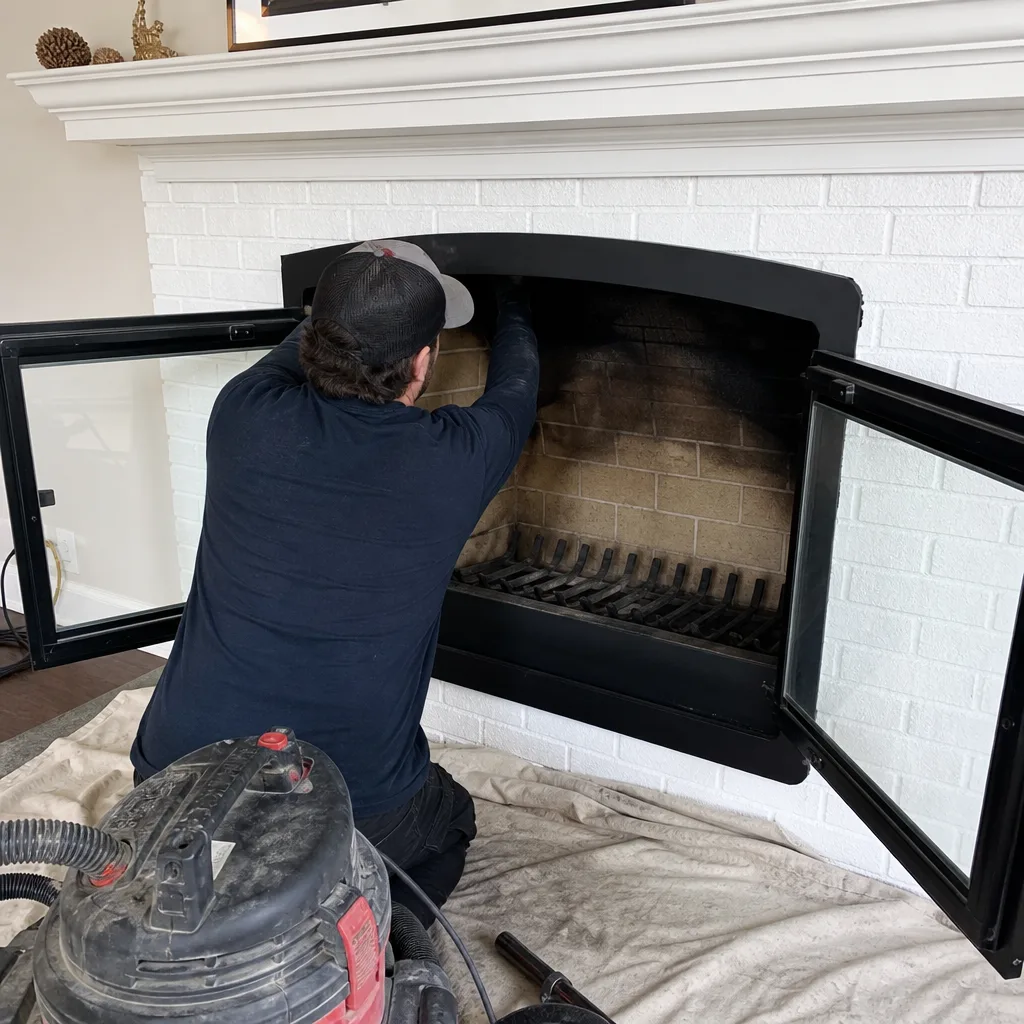
- The interior firebox. Shine a flashlight up from inside the fireplace. You’re looking for black, flaky buildup on the walls, which is creosote. If it looks like shiny tar or candle wax instead of soot, that’s third-degree glaze, and it’s our job to remove before you burn again.
First-degree creosote is a brush job. Third-degree is a glaze. The difference matters because a brush won’t touch glazed creosote, and burning under it is how chimney fires start. You don’t need to know the chemistry. You need to know that shiny is bad.
Note that these are observation points, not a repair guide. If the crown is cracked, do not climb up with a bucket of sealant. What looks like a simple patch from a YouTube video is often hiding deeper masonry damage, and the cement patching products from the hardware store fail against Long Island’s freeze-thaw cycle within a season or two. The ground-level check is for knowing what to flag, not for fixing it yourself.
The Professional’s Camera Checklist: What Only a Trained Eye Can Verify
There’s a reason the camera changed chimney work permanently. Before camera inspections became standard, a sweep had to rely on a mirror, a flashlight, and educated guesswork about what the flue looked like behind a bend. Today, when Wendell and his crew show up at a Commack home, the camera goes up before any tool comes off the truck, because the camera footage and a plain-English verdict are part of every job. No exceptions.
Here’s what we’re looking for that you physically cannot see from your living room or your driveway:
- Flue liner condition. Whether it’s clay tile or stainless steel, the liner is the barrier between hot flue gases and the wood frame of your house. Cracked clay tiles are common in Commack homes built before stainless steel liners became standard, and a crack is invisible from above and below without a camera.
- Creosote thickness and type. The camera tells us whether that’s a light dusting of first-degree creosote that a brush will handle, or a hardened glaze that needs chemical treatment and rotary removal. We also measure the buildup so we’re not guessing about whether you’re at a safe level or a hazard level.
- Blockages and nests. Squirrels, raccoons, birds, and the occasional tennis ball from a neighborhood kid. We’ve pulled all of it out of Commack flues. A blockage you can’t see is a carbon monoxide risk, not just a drafting annoyance.
- Water staining and corrosion. The camera sees the streaks and rust spots that signal water is getting in somewhere above, often at the crown or flashing. Catching it here means fixing a crown instead of rebuilding masonry later.
- Mortar joint integrity. Inside the flue, mortar joints between clay tiles can erode over decades, and when they do, the flue becomes a leak path for heat and gases. This is the kind of thing that turns a $200 sweep into a $4,000 liner replacement if it’s ignored long enough.
This is also where the no-pressure promise matters. The camera tells the truth, and so do we. If the liner has another five years, we say so. If it’s unsafe today, we’ll show you the footage and explain what we see in terms you can actually act on, not a scare script. The decision to repair is always yours, with the evidence in front of you.
Since we started in 1999, we’ve worked with liner and repair products from DuraFlex and HeatShield because they hold up to the conditions we see in Suffolk County homes year after year. We don’t sell whatever’s on the truck. We install what we’d put in the house if our own family were sleeping under that chimney.
The After-Every-Fire Short List
The annual checklist is one rhythm. The after-every-fire routine is another, and it takes under two minutes. The point isn’t to inspect the entire chimney every evening. It’s to catch the things that go wrong quickly before they compound.
After the last log burns down and the embers are cool enough that you’re done for the night, do three things:
- Look at the smoke while the fire is burning. If you’re mid-evening and smoke is drifting lazily into the room instead of drawing up and out, note it and close the glass doors if you have them. That’s a drafting problem, and the causes range from a cold flue to a blockage to a damper that’s not fully open. One hazy evening is worth watching. Two is worth a call.
- Check the glass. If you have glass doors, look at the buildup. Heavy black soot after one evening of burning seasoned wood says the combustion isn’t right, the wood isn’t actually seasoned, or the air supply is off. Light gray ash is normal. Thick black film is a message.
- Note what the fire sounded like. A good fire crackles. A fire that hisses or pops unusually loud is burning wet wood, which means more creosote, faster. If you notice yourself buying “seasoned” wood that still hisses, you need a new wood supplier before you need a new chimney.
None of these three items individually means you need a sweep tomorrow. But if you’re noticing smoke, black glass, and hissing wood together, or if any one of them shows up fire after fire, that’s the signal to book a cleaning before the season gets deeper. The worst time to discover you need a sweep is the week before the holidays, when everyone in Commack is firing up the fireplace for the family and the waiting list gets long. For more on spotting trouble early, see our guide to Chimney Cleaning Warning Signs: A Commack Homeowner’s Reference Guide.
Long Island Weather and What It Does to a Chimney: The Commack-Specific Items
Commack sits close enough to the Sound and Atlantic weather systems that we get the same freeze-thaw pounding as the waterfront towns, with more snow days than the South Shore. Your chimney doesn’t care whether you can see the water from your roof. It cares that we get winters that swing from 12° nights to 50° afternoons and back. Every swing is a micro-expansion of the masonry, and every season it repeats.
The three exterior items most Commack homeowners skip until they become visible problems:
- Crown cracks. Concrete crowns are a maintenance item, not a lifetime item. The freeze-thaw cycle opens small cracks into larger ones, water sits in the crack, freezes, expands, and pries the crown apart a little more each winter. What starts as a $150 seal and repair job in September becomes a full crown rebuild by March if the cracks get through a full winter untreated.
- Efflorescence staining. That white chalky deposit on brick faces is salt and minerals carried through the masonry by water and left behind when the water evaporates. It’s evidence of water moving through the brick, not on the surface. Efflorescence in fall says water is getting into the masonry now, not that it got wet once. That’s a call for an inspection before freezing temperatures lock it in for the season.
- Flashing separation. Flashing is thin metal, and it’s glued and caulked into place against two materials that expand and contract at different rates: the masonry chimney and the roof deck. On Long Island roofs, exposed asphalt shingles heat up in summer and shrink down in February. The chimney moves differently. The flashing is the mediator of those two movements, and eventually it separates. Look for lifted edges and gaps from the ground before you see a water spot on the ceiling.
These are Commack weather problems, not general chimney abstractions. A chimney in Phoenix doesn’t know what ours has been through by March. The maintenance rhythm here is: catch exterior water issues in the fall, before freezing temperatures arrive, because water that enters the masonry and freezes expands by roughly 9 percent, and that expansion is what spalls brick faces, widens crown cracks, and pushes flashing loose. Once the freeze-thaw cycle gets involved, the repair gets bigger.
The Damper Test Most Homeowners Skip
Everyone knows the damper needs to be open before you light the fire. That’s taught in every homebuyer walkthrough and every fireplace manual. What nobody tells you is that the damper needs to seal fully closed when the fire is out, and that’s the test most Commack homeowners never do.
The test is simple. On a cold morning after the fireplace has been unused for a full day, stand next to the firebox and feel for air movement. If you can feel cold air falling down the chimney and into the room, your damper isn’t sealing. The metal plate or cast iron door has warped, hinges have loosened, or the cable mechanism has slipped, leaving a gap that acts like an open window at the top of your house around the clock.
Here’s why that gap matters more than people realize. Your damper closed is the only thing between your heated living room and the outside air in February. A damper that’s 95 percent closed is effectively an open hole for the hundred days of heating season. Your furnace runs more to replace the warm air floating up the flue, and the heating bill climbs by the degree. Not dramatically in a week, but over four months of a Long Island winter, the cost adds up in dollars you can’t see because the thermostat keeps the room warm.
The test matters even if you never use the fireplace. A damper that doesn’t seal is a year-round energy leak, and a closed damper that’s rusted open by a season of condensation is the same problem wearing a different cause. Fixing the damper or installing a top-sealing cap is one of the cheapest, fastest-payback repairs a chimney can get. But you have to know it’s leaking before you can fix it, and most people don’t test because nobody told them to.
If this is your first time thinking about the damper since moving in, this is a good place to start: our fireplace services in Commack include damper inspection and replacement as a standard part of the annual checkup, and we’ll show you the seal issue on camera before recommending anything.
Clean Now vs. Monitor Until Next Season: How to Tell the Difference
The most common version of this question sounds like: “I see some black stuff in the chimney. Is that normal, or do I need to do something right now?” It’s a fair question, because not every dark spot is an emergency, and not every clean-looking chimney is safe. Here’s the plain language breakdown:
Clean now when you see:
- Creosote that looks glossy or shiny, like dark lacquer. That’s third-degree glaze, and it’s the most flammable form of creosote. It doesn’t brush off. It requires chemical treatment and rotary tools, and it should never be burned under.
- Fluffy black buildup thicker than about an eighth of an inch across the flue walls. The National Fire Protection Association says any visible creosote buildup is cause for cleaning, and a quarter-inch is the line where you’re playing with fire.
- Smoke behavior that changed. If the fire drew well last winter and struggles this year, something changed in the chimney, and it’s not your imagination. Blockages don’t announce themselves with a sign.
- Any evidence of water on the brick faces or ceiling stains near the chimney.
Monitor until next season when:
- The buildup is a light gray or dusty black film that wipes off the flue wall with minimal effort. That’s normal use, and with a good cap and a proper burn, it can wait.
- The crown has hairline cracks you can see with binoculars but that don’t open visibly when you check month to month. Note them, keep an eye on them, and have them looked at during the annual visit.
- The flashing has a small gap but isn’t lifting, isn’t rusted through, and isn’t letting water in during a hard rain. This is a watch item, not an emergency item, as long as you know it’s there.
- Burning unseasoned “seasoned” wood. Wood sold as seasoned from a roadside stand is often cut six months ago, not the two years it needs to dry properly on Long Island’s humid summers. Hissssssing fires and black glass are the tell. Wet wood makes creosote at several times the rate of properly dry wood.
- Using the fireplace to burn household trash or packaging. Cardboard, wrapping paper, and junk mail make a hot, fast fire that deposits extra creosote and can send sparks up the flue. Burn seasoned firewood only. That’s the whole list.
- Closing the damper when the fire isn’t fully out. Coals that look dead can release carbon monoxide for hours. If you close the damper on smoldering coals, the gas has nowhere to go but the house. Fully out means cold to the touch, not just not glowing.
- Skipping the annual inspection because “we barely use it.” The chimney still sits in the weather for 365 days. The crown, flashing, and cap don’t care how many fires you lit. An unused chimney still needs eyes on it once a year because the failures are weather failures, not usage failures.
- Sealing the top of an unused chimney with a bucket or plywood. We see this in Commack periodically: a homeowner seals the top to stop drafts, then forgets about it, and a fire gets lit anyway, or the seal collects moisture and breeds masonry damage. A proper top-sealing damper or cap is the fix. A bucket is a promise of a future emergency call.
- Waiting for a smell problem to act. A smoky, ashy smell in the house in summer is humidity interacting with creosote buildup. By the time you smell it, the buildup has been there for months. If the smell arrives, the camera inspection is overdue.
- Hiring the cheapest unlicensed “guy with brushes.” Chimney sweeping isn’t regulated the way plumbing is in New York, which means a $49 sweep special can be a guy with a drill and no camera who tells you that you need a liner you don’t. A real sweep shows you the footage. The invoice should never be a surprise, and the work should come with a name and a promise in writing. Ask anyone on your street who they use.
The deciding factor in most cases is evidence. If you’re going by feel, you’ll either panic over a coat of dust or ignore a real glazing problem. The camera removes the guesswork. If you’re a Commack homeowner looking at something in the chimney and not sure which list it belongs to, call us. We’ll come look, and if it can wait, we tell you it can wait. That’s the no-pressure pricing promise from the first phone call to the invoice.
One more rhythm to remember: once a year, burn or no burn. Chimneys break in the off-season too. A house that sat unburned for a season still needs the annual check because the crown and flashing didn’t take the season off, and a raccoon doesn’t schedule around your fire habits.
Common Mistakes to Avoid
When to Call a Professional
Call when the camera is needed, not just the brush. Specific triggers: you see shiny glaze creosote or a quarter-inch of any buildup; you see water staining on the ceiling near the chimney or on brick faces; you hear or see drafting problems that repeat over multiple fires; you haven’t had the flue inspected in over a year and you’re about to start burning season; or you noticed anything in the ground-level checklist that you can’t explain and don’t want to climb up and investigate yourself. Anything involving the liner, the crown, the flashing, or a blockage is professional work by definition. A real sweep arrives with a camera, shows you what he sees, quotes the price before tools come off the truck, and stands behind the work. Our chimney repair work in Commack follows exactly that sequence. If you’re not sure whether you’re in “monitor” or “clean now” territory, call (631) 502-3612 for a free estimate, and we’ll tell you straight what the camera shows.
Frequently Asked Questions
A basic checklist covers five items you can see from the ground: the crown condition, the flashing seal, the brick faces for efflorescence or spalling, the cap and screen, and the firebox for creosote buildup. Plus the damper seal test once a month during heating season, plus the after-every-fire observation of smoke, glass, and wood noise. And one annual camera inspection. That’s the full rhythm, and skipping any one of them is where problems hide.
Once a year, burn or no burn. A chimney that sees regular weekend fires from October through March should be swept annually before the season starts, and a chimney that burns daily should likely be swept at least once mid-season as well. The rule exists because Commack’s burning season is long and the freeze-thaw cycle attacks the exterior regardless of how often you light a fire. For a full breakdown of timing and methods, read The Complete Guide to Chimney Cleaning in Commack. If you’re burning more than three cords a winter, you’re probably a twice-a-year home.
A DIY cleaning from the bottom with a hardware store brush will remove some loose creosote, but it won’t remove glazed buildup, won’t reach a blocked offset bend, and won’t inspect the liner with a camera. Professional sweeping includes the camera inspection, the right equipment for the creosote type, and a set of trained eyes looking at the whole system. In our experience, the DIY cleanings that feel successful often leave the most important findings undiscovered.
Yes. The freeze-thaw cycles that define Long Island winters mean every crack in a crown or gap in flashing becomes a water entry point that expands from the inside. Water absorbed into masonry freezes overnight, expands, and pries the material apart a little more each cycle. A chimney in a dry climate ages slowly. A Commack chimney that goes unchecked through three winters can go from small crack to full repair quickly. That’s why the fall inspection is the most cost-effective one on the calendar.
White staining on brick, called efflorescence, means water has migrated through the brick and deposited minerals on the surface as it evaporated. It’s not a cosmetic issue. It’s evidence of a water entry point. The fix depends on where the water is entering, which is what the inspection determines. Paint over it with masonry sealer and you trap the moisture inside, which accelerates spalling and freeze damage in a Commack winter.
Only if you’re willing to rely on luck. A blocked flue, a cracked liner, or a thick creosote glaze don’t show up as a smell or a visible problem until they become a fire or CO hazard. The camera inspection is the only way to know. If it’s been a few years and you’re planning to burn this season, schedule the inspection before the first fire, not after. The cost of a sweep and inspection is a fraction of the cost of a chimney fire, even before you count the damage it can do to the house.
The Bottom Line
A checklist is worthless if it doesn’t tell you what you’re seeing and why it matters. The Commack-specific rhythm is this: ground-level visual check every few weeks during burn season, the after-every-fire observation, the damper seal test once a month when the heat is on, and one camera-backed annual inspection before the first fire of fall. The three spots most people skip are the crown, the flashing, and the damper seal, and those are the three that produce the most expensive repair bills we see. Once a year, burn or no burn. Chimneys break in the off-season too, and on Long Island the off-season is when the weather does its worst work. If you’re not sure what you’re looking at, call (631) 502-3612 and we’ll come look with the camera. You can also browse more guides & resources on our blog. The verdict is plain-English, every time, and if it can wait, we tell you it can wait. That’s the whole promise, in writing, on every job we’ve done in Commack since 1999.
Written by Wendell Pike, Owner at Top Hat Chimney, serving Commack since 1999.