
Last updated September 10, 2026
Level 1 sweep and inspection to the NFPA 211 annual standard - flue, crown, cap, and flashing checked and photographed
Chimney sweep logs do not sweep chimneys. They loosen some creosote - which then falls where a brush and vacuum still have to collect it.
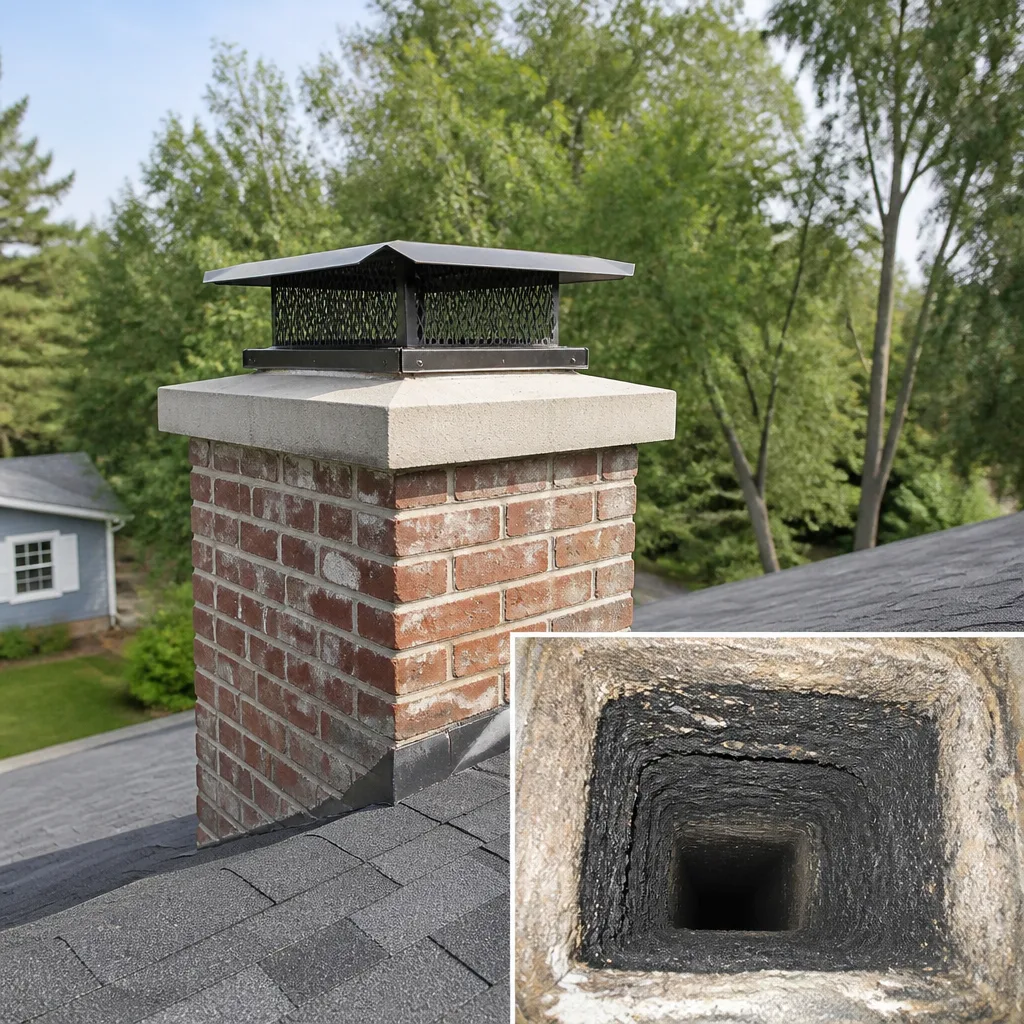
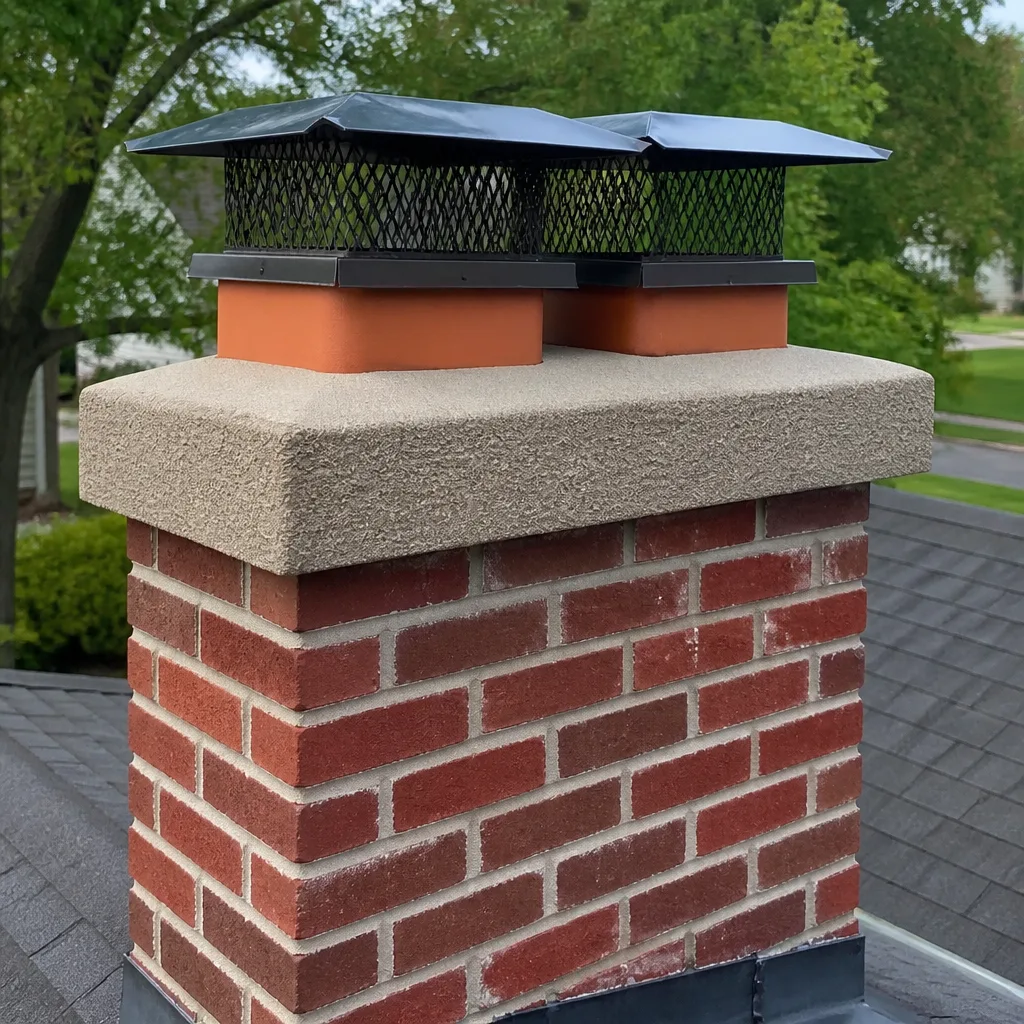
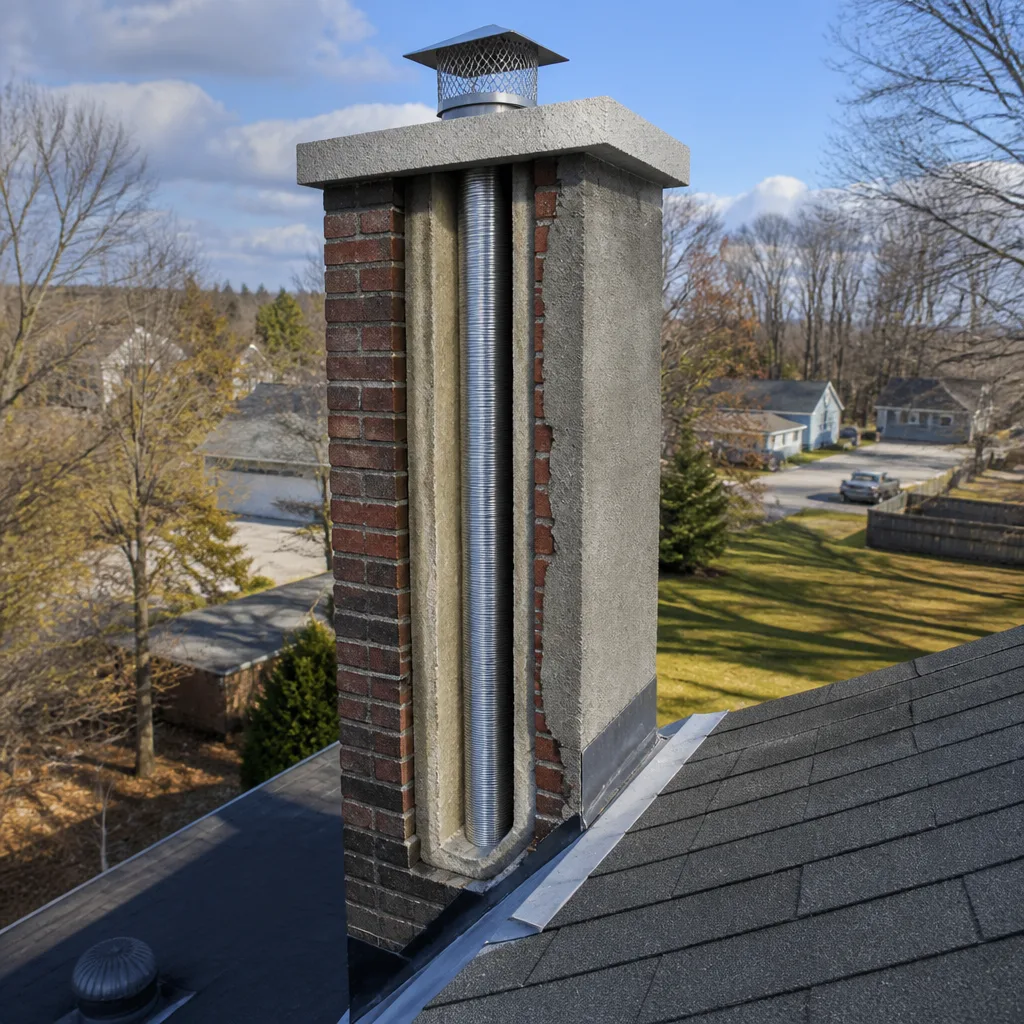
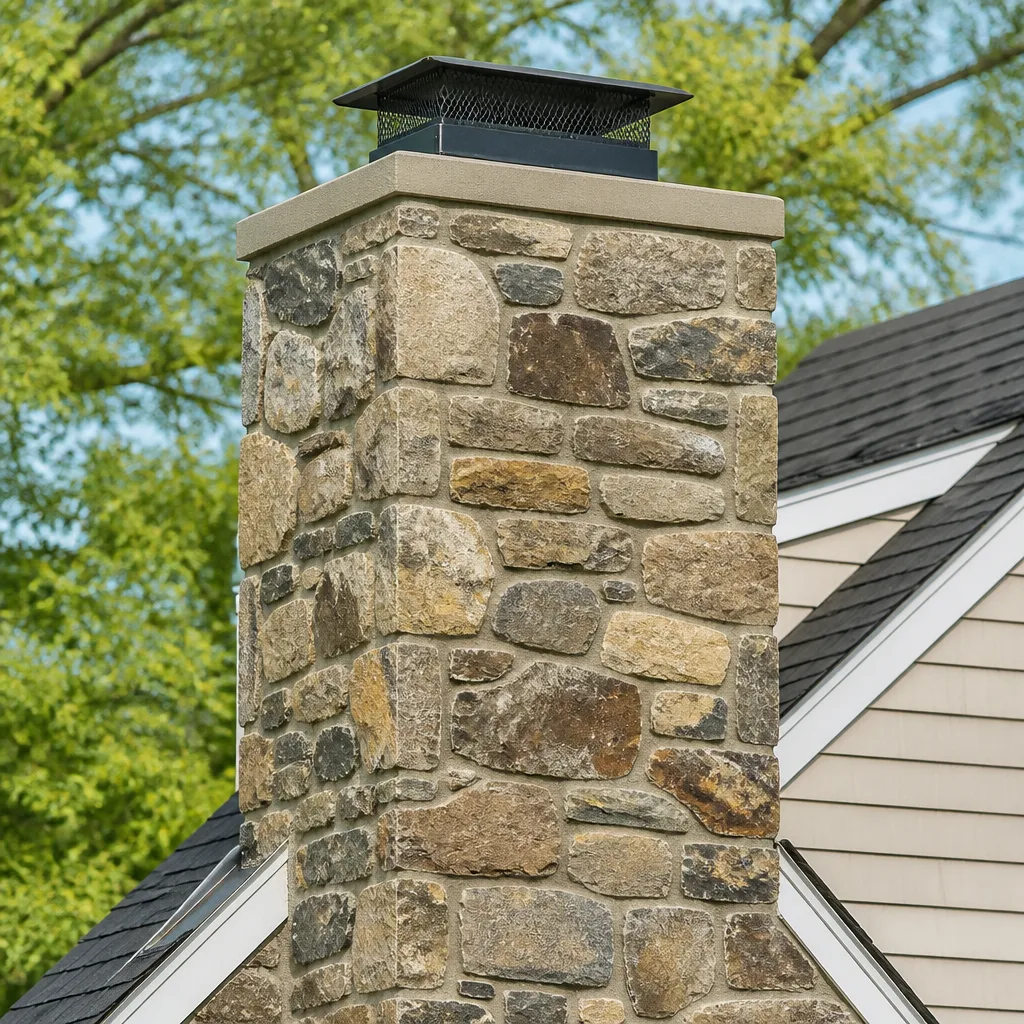
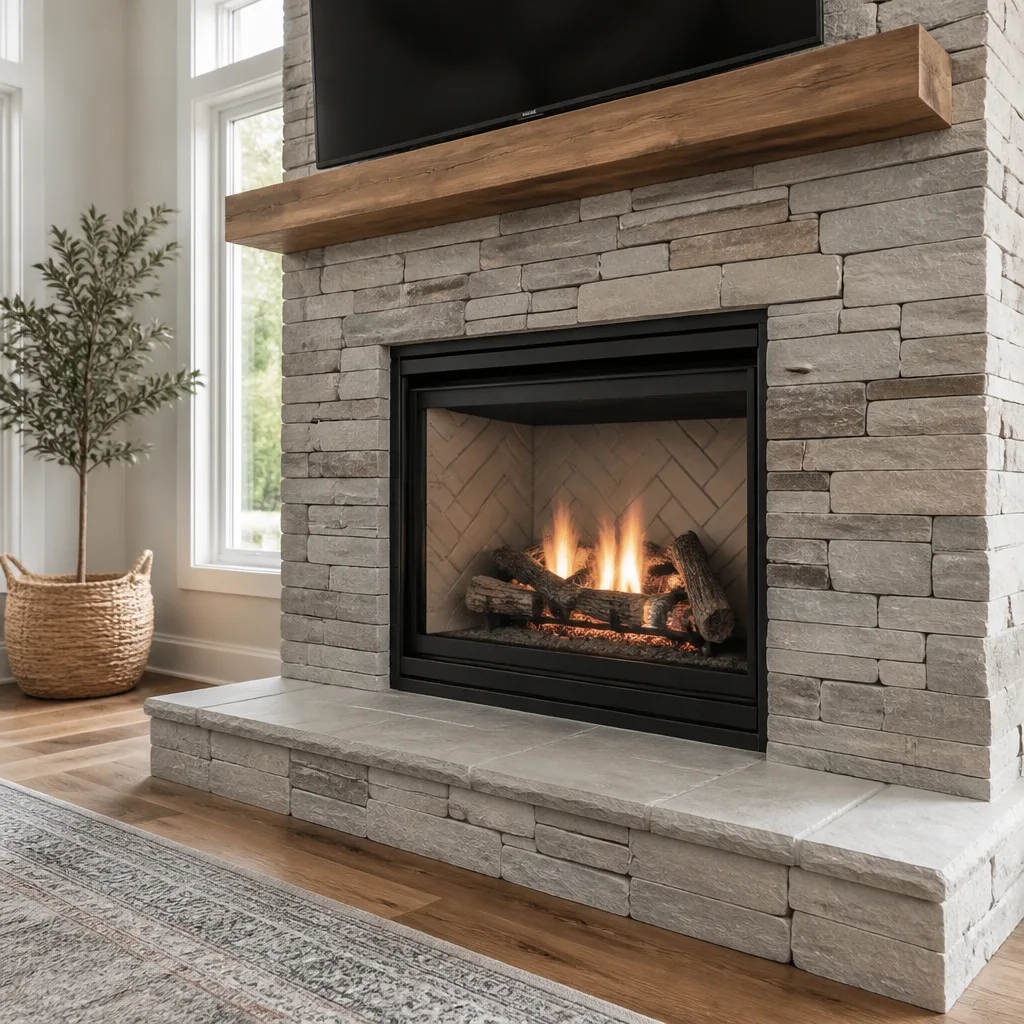
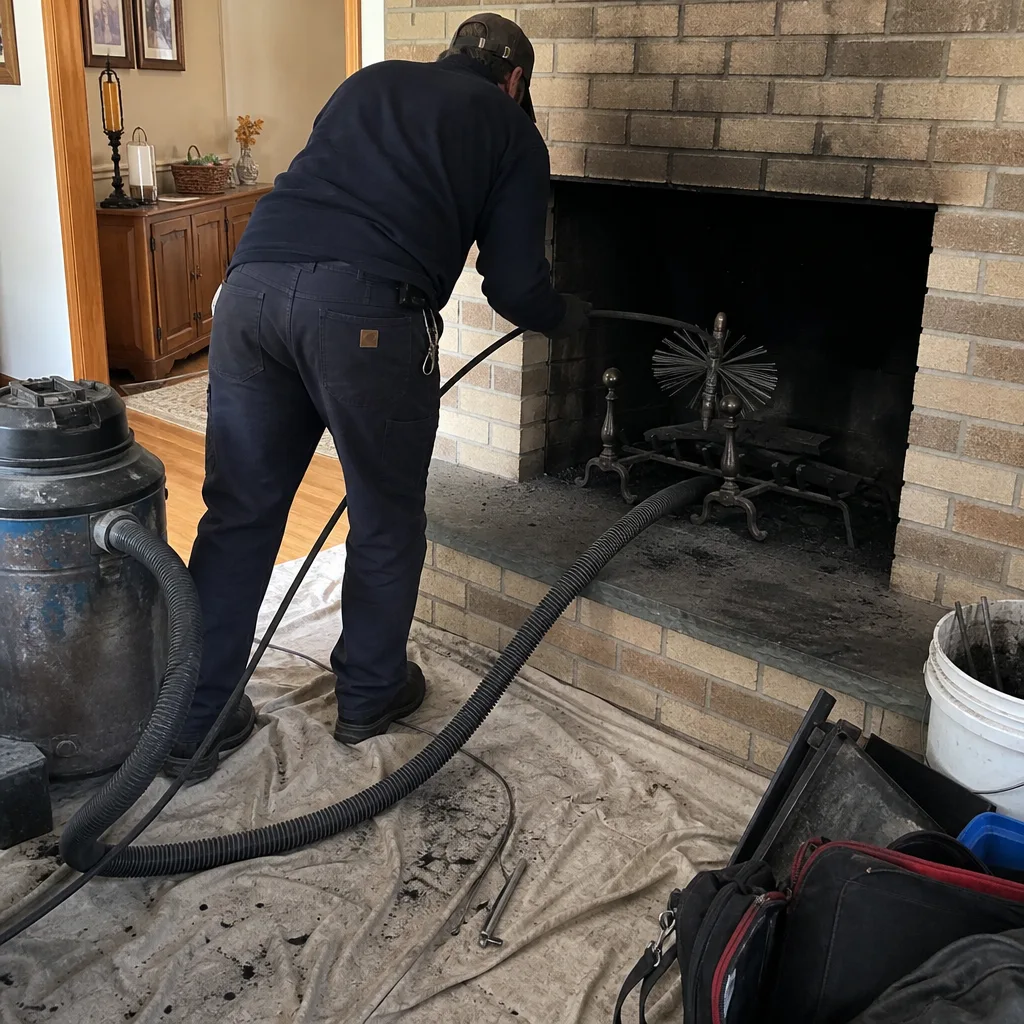 Before
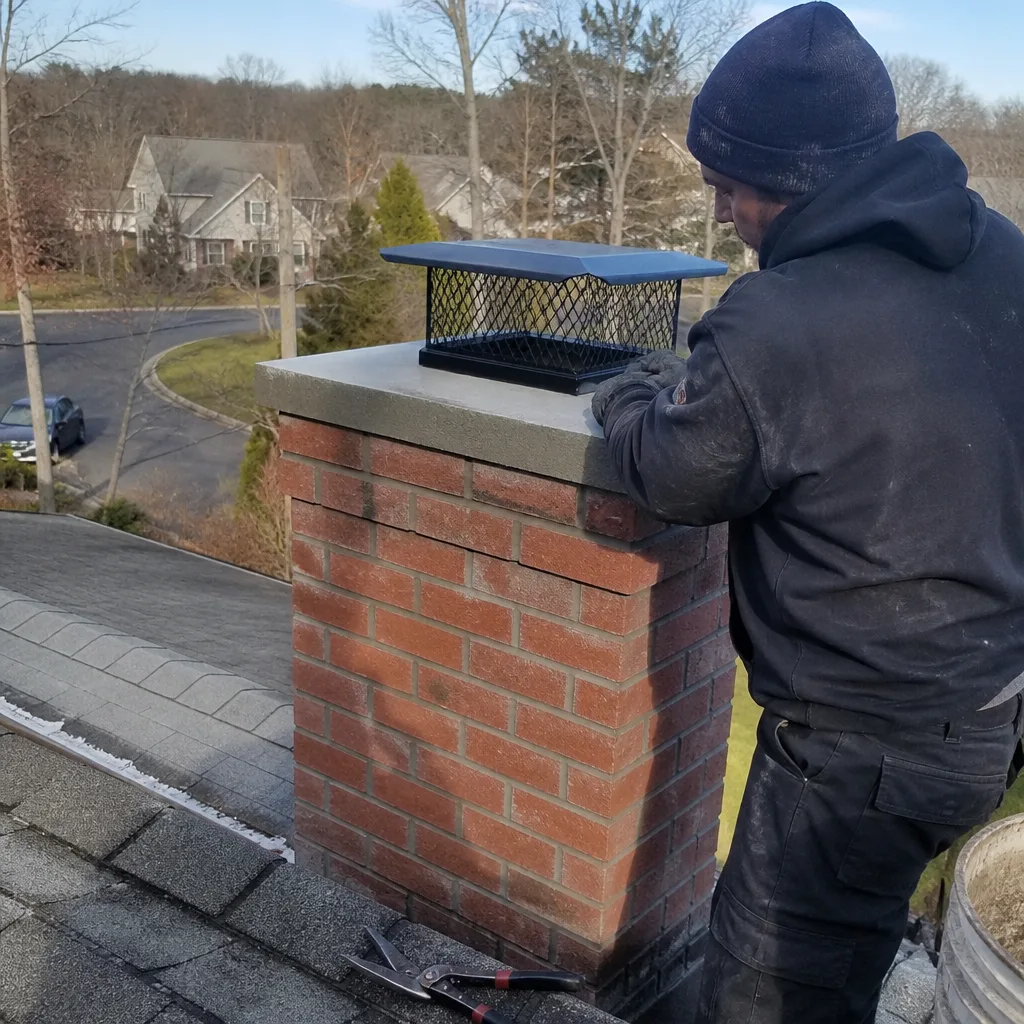 After
After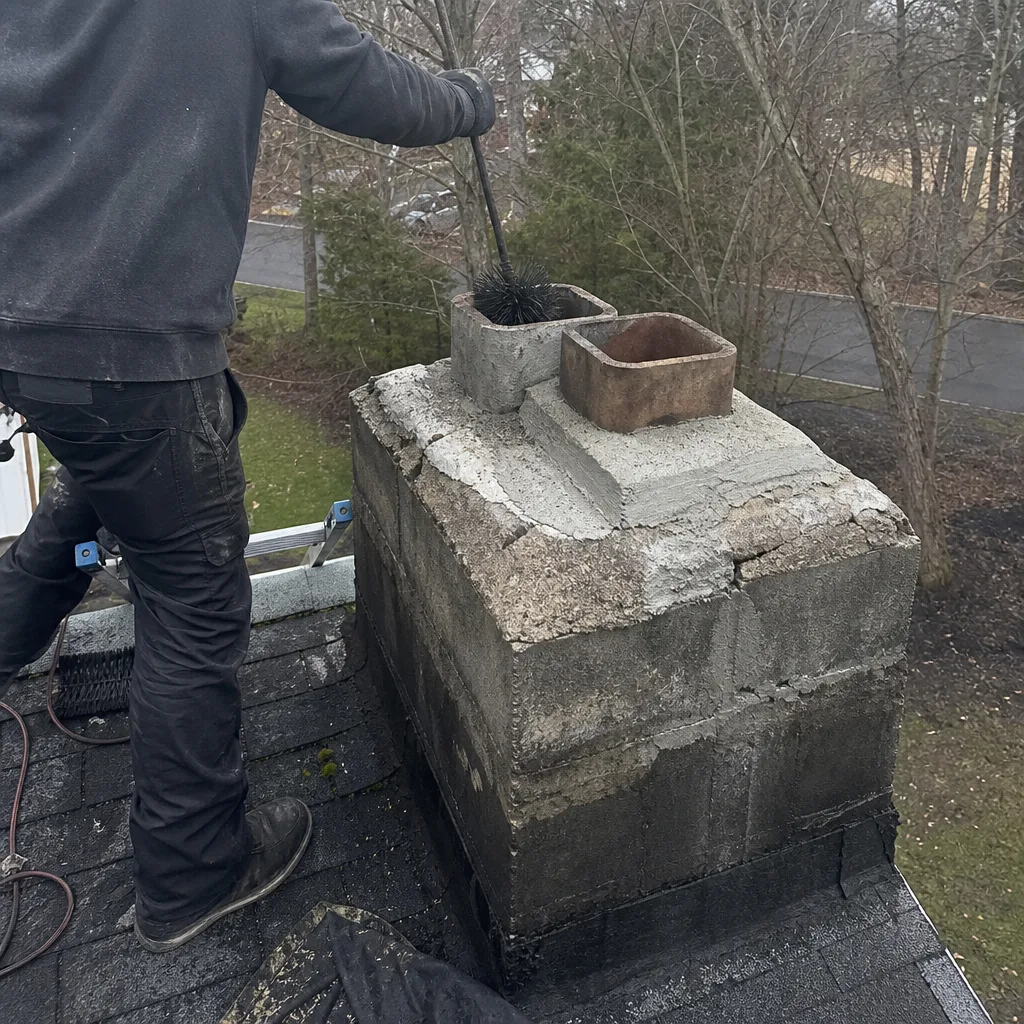 Before
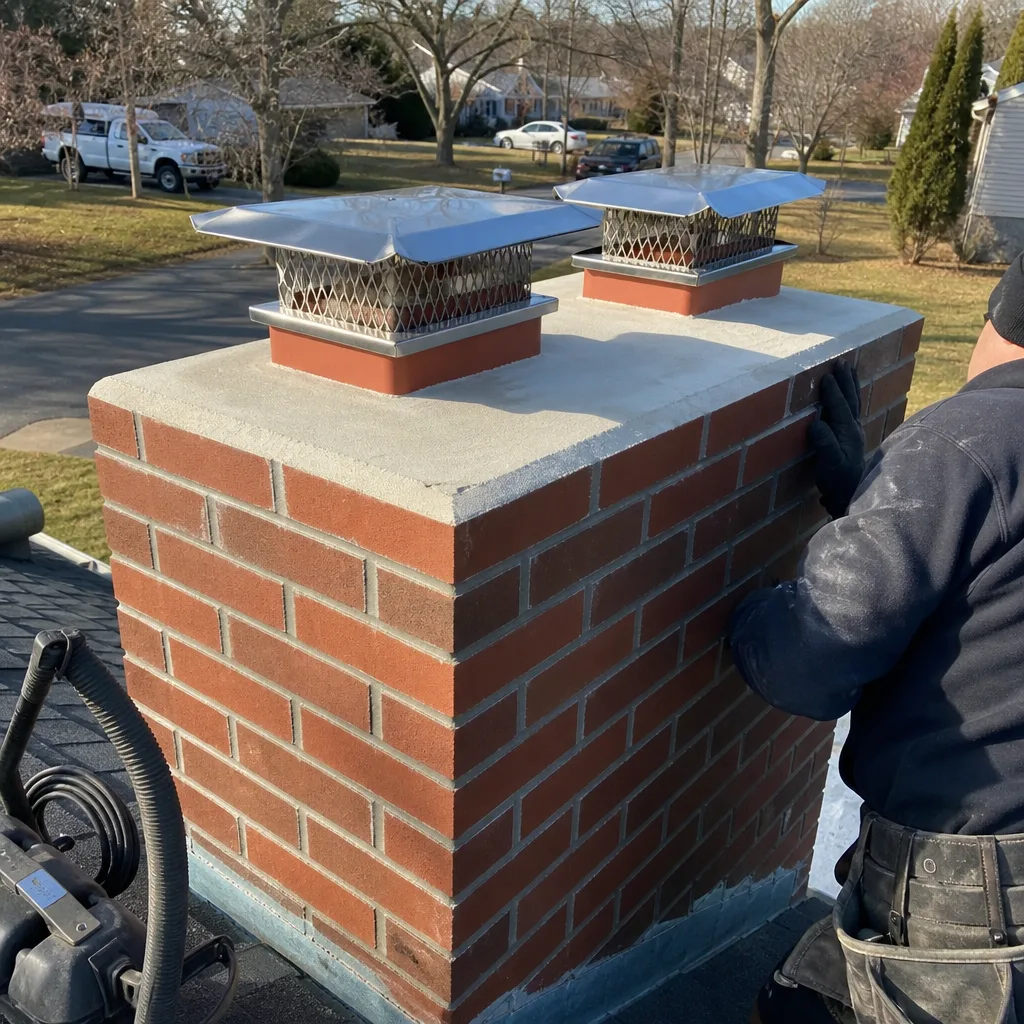 After
After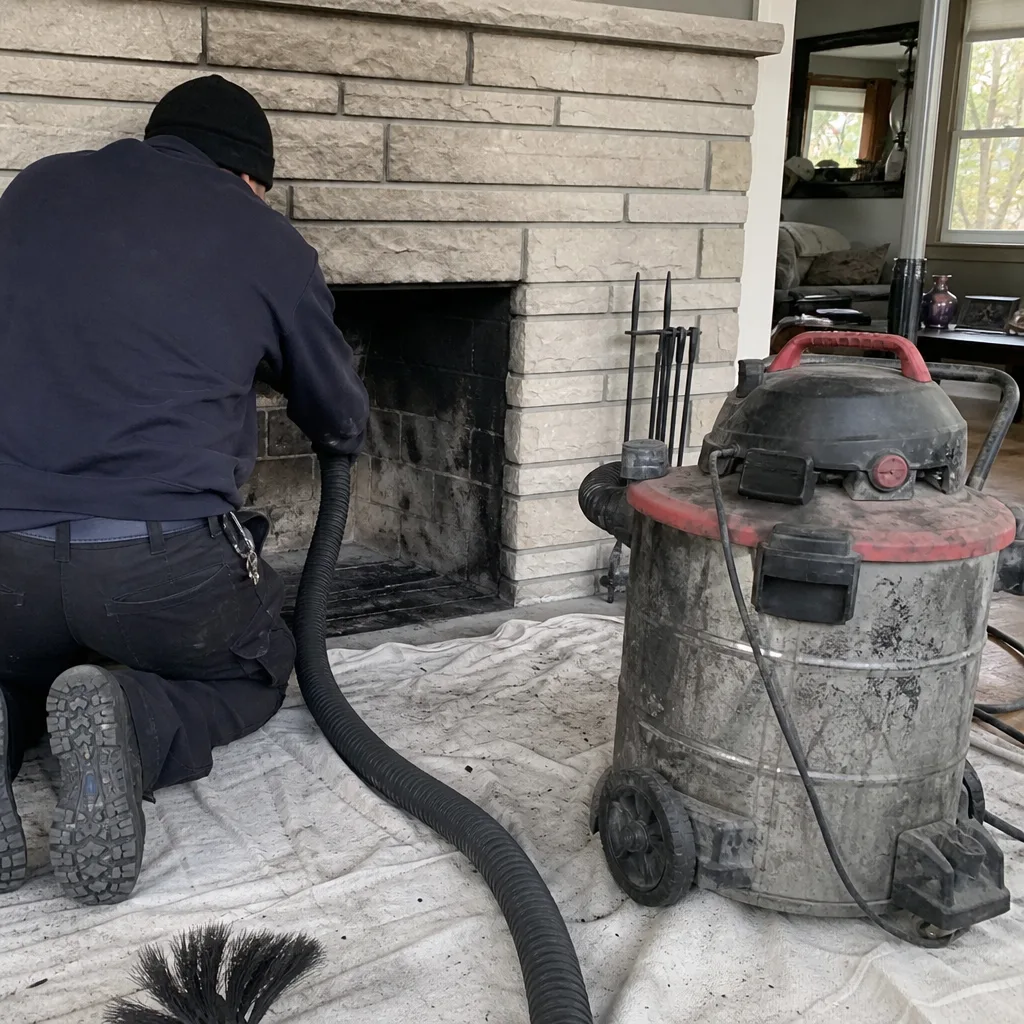 Before
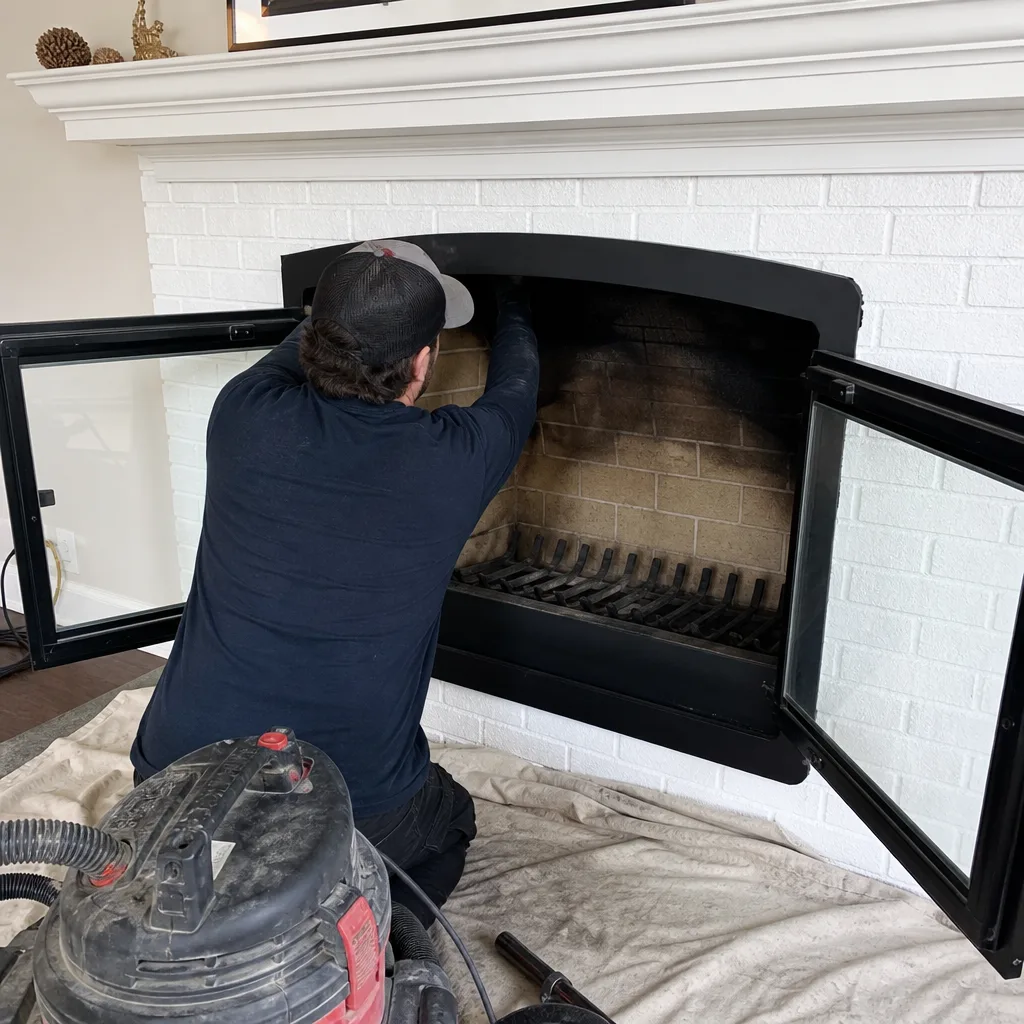 After
AfterThe Complete Guide to Chimney Cleaning in Commack
Here’s something that surprises most Commack homeowners: a chimney can look spotless from the firebox while a quarter-inch of glazed creosote coats the upper flue. You cannot see it with a flashlight from below. You cannot scrape it off with a drugstore brush. And it is exactly the kind of deposit that starts chimney fires. This guide explains what actually collects inside your flue, how to know whether you need a cleaning now or can safely wait, what a legitimate sweep visit looks like from start to finish, and how older Commack homes differ from the newer construction down the road. For seasonal chimney cleaning care for Commack, see our year-round homeowner’s guide. No scare tactics. Just the honest benchmarks Wendell has used since 1999.
Quick Answer
Most wood-burning chimneys in Commack need a professional cleaning once a year, or roughly every 40 to 50 fires, whichever comes first. If you burn primarily oil or gas, an annual inspection matters more than an annual sweeping, since those fuels produce different deposits than wood. The real question is not “when was my last cleaning” but “what is actually inside the flue right now” and a camera inspection is the only way to know for sure.
Table of Contents
- Why Commack Chimneys Get Dirty Faster Than You Expect
- The Three Levels of Creosote: What Each One Means
- Wood, Oil, and Gas: Commack’s Mixed Heating Picture
- What a Real Chimney Cleaning Looks Like Start to Finish
- Older Commack Splits and Ranches: The 1960s and 70s Factor
- Go/No-Go Thresholds: When to Clean, When to Wait, When Cleaning Is Not Enough
- What Chimney Cleaning Costs in Commack
- Common Mistakes to Avoid
- When to Call a Professional
- Frequently Asked Questions
- The Bottom Line
Why Commack Chimneys Get Dirty Faster Than You Expect
Commack sits in a funny spot on Long Island: close enough to the Sound to get damp air in the fall and spring, and far enough inland that winter nights drop below freezing without the moderating effect you see in places like Huntington Bay or Northport. That dampness does something specific to chimneys. When humid air sits inside a cool flue, it condenses on the walls and mixes with whatever soot and residue is already there. The result is a sticky film that catches the next fire’s particles. Over a season, that film becomes a layer. Over two or three seasons, it becomes a problem.
There is another factor. Many Commack homes burn wood as supplemental heat, not primary heat. That means smaller, lower-temperature fires in the evening and on weekends rather than long, hot burns around the clock. Low-temperature fires produce more creosote because the flue never gets hot enough to carry the smoke cleanly upward. The smoke lingers, cools, and leaves its load on the flue walls. A homeowner who burns two or three nights a week from November to March can build up more creosote than someone upstate who burns hotter, longer fires in a colder climate.
We have also seen what salt air does over time to exterior masonry, but that is a repair conversation. For cleaning purposes, the point is simpler: your chimney in Commack gets dirty on a schedule you should not guess at. It builds deposits steadily, and those deposits do not announce themselves.
If you have not had a professional look at your flue recently, start with our Chimney Cleaning & Sweep in Commack service page to see what a thorough visit includes.
The Three Levels of Creosote: What Each One Means
Creosote is not one substance. It forms in stages, and each stage calls for a different response. Knowing the difference saves you from paying for work you do not need and from skipping work you absolutely do.
First-Degree Creosote: A Brush Job
First-degree creosote is a fine, dusty, dark powder or flaky soot that coats the flue walls. It forms during normal wood burning and is what most cleanings remove. A standard chimney brush takes it off without much trouble. If this is what is inside your flue, you are in good shape, and a routine cleaning restores the chimney to safe working condition.
First-degree creosote is common in flues that are cleaned annually and used for hot, efficient fires. If you burn seasoned hardwood and your flue gets hot quickly, this is likely all you have. It is the best-case scenario, but it is also the stage you cannot see without getting up on the roof or running a camera up the flue.
Second-Degree Creosote: A Tougher Job, But Still Manageable
Second-degree creosote looks like shiny black flakes or crisp, hardened tar. It forms when flue temperatures are lower and the smoke has more time to condense. This stage requires more than a standard brush. A sweep uses rotary tools, scrapers, or chemical treatments to break it down, and the cleaning takes longer. It also signals something important: your burning habits or your flue design are producing the conditions for creosote buildup. If we find second-degree creosote in a Commack chimney, we will tell you what is causing it, because cleaning alone will not prevent it from returning next season.
Third-Degree Creosote: A Glaze
Third-degree creosote is a hard, shiny, tar-like glaze that bonds to the flue walls. It happens when creosote builds up, gets hot, and partially liquifies, then cools into a dense coating. This is the most dangerous form. It resists standard brushes entirely and requires serious mechanical or chemical work to remove. More importantly, it is fuel. If a flue lined with glazed creosote reaches ignition temperature, it can burn extremely hot and fast, and that is when chimney fires spread to the surrounding structure.
First-degree creosote is a brush job. Third-degree is a glaze, and it is the stage where waiting stops being an option. We have been inside enough Commack chimneys to tell you this plainly: catch it early and the fix is simple. Let it cure and the fix gets expensive.
For the full scope of what a proper cleaning addresses, see our Top Hat Chimney home page and the services we offer from there.
Wood, Oil, and Gas: Commack’s Mixed Heating Picture
Most chimney guides you will find online are written for upstate New York or New England, where wood is king and heating equipment is predictable. For more guides & resources tailored to Long Island conditions, see our blog. Commack is different. The town has a genuine mix: older neighborhoods with masonry wood-burning fireplaces, plenty of oil-fired furnaces and boilers, and a growing number of homes that converted to natural gas when National Grid expanded service through Suffolk County. Each fuel leaves a different deposit, and each calls for a different inspection focus.
Wood-Burning Fireplaces
Wood produces creosote, which we covered above. The cleaning schedule is the most demanding of the three fuels, because the deposit is actively combustible. An open fireplace in a Commack living room burning a few evenings a week during the heating season typically needs a cleaning every year. The volume of wood matters, but so does the species. Oak, maple, and other dense hardwoods burn hotter and produce less creosote than pine or other softwoods. Wet or unseasoned wood is the single biggest contributor we see across Commack, and it is a habit that turns a one-hour cleaning into a two-hour scraping.
Oil-Fired Systems
Oil produces soot, not creosote. The soot is acidic and, over time, it corrodes the flue liner. The danger with oil is not a chimney fire, it is liner deterioration that allows flue gases to leak into the home or the wall cavities. An oil flue should be inspected and cleaned annually as well, but the goal is different: you are checking for soot buildup, rust, and liner damage rather than creosote glaze. Homes in Commack that still run oil burners often have flues that have not been inspected in years because nothing has gone wrong. That is when the damage happens quietly.
Natural Gas Systems
Natural gas is the cleanest of the three, but it is not maintenance-free. Gas appliances produce water vapor as a byproduct of combustion. When that vapor hits a cold flue, it condenses and combines with remaining sulfur compounds to form an acidic solution. Over years, that acid eats mortar joints and brick from the inside out. Gas flues also attract birds and debris because the openings are typically smaller. An annual inspection catches these issues before they become leaks. A gas flue may not need the same physical brushing as a wood flue, but it needs eyes on it just as often.
Your flue does not care how the fire looks. It cares how it breathes. The fuel source dictates what collects inside, and the inspection should follow the fuel, not a generic checklist.
What a Real Chimney Cleaning Looks Like Start to Finish
Homeowners in Commack have told us stories about previous chimney services that lasted twenty minutes and ended with a bill. That is a drive-by, not a cleaning. Here is what a legitimate visit should include, whether you hire us or anyone else. Use this as your standard.
- Interior protection setup. The first thing a sweep does is lay down drop cloths, cover the hearth with plastic, and seal the fireplace opening so dust and soot do not enter the living room. If this step is skipped, the mess will tell you later.
- Visual inspection from below. The sweep looks up the flue with a strong light, checks the firebox walls and floor, examines the damper, and looks at the throat and smoke chamber. This identifies obvious blockages, animal nests, and visible damage before any brushing begins.
- Brushing the flue. Using a brush sized to the flue dimensions, the sweep scrubs from either the top or the bottom depending on the chimney design. The goal is to remove first- and second-degree creosote and any loose debris. Third-degree glaze requires rotary tools or chemical treatment and takes longer.
- Smoke chamber and shelf cleaning. Many cleanings miss this area because it is hard to reach. The smoke chamber above the damper and the smoke shelf are both places where creosote and soot accumulate. A thorough sweep includes cleaning them by hand and vacuum.
- Vacuuming and cleanup. The sweep vacuums the firebox, the smoke shelf, and the flue base, then removes the interior protection. The area should look the same as before, minus the hidden deposits that just left your chimney.
- Final report. You should get a plain-English summary of what was found. If the sweep used a camera, you should see the footage yourself. The camera footage and a plain-English verdict, every time, no exceptions. That is the standard we hold ourselves to and the one you should expect from anyone working on your home.
A full cleaning on a typical Commack wood-burning chimney takes between 45 and 90 minutes. If someone is done in fifteen minutes, they skipped something.
If you are wondering whether your chimney is past due for this kind of attention, our Fireplace Services in Commack page covers the full range of work we do beyond basic sweeping.
Older Commack Splits and Ranches: The 1960s and 70s Factor
Much of Commack’s housing stock dates to the 1960s and 1970s. Split-levels and ranches from that era share a construction style that matters for chimney maintenance. These homes were built with masonry chimneys, meaning the flue runs through the center or along an exterior wall and is lined with clay tile sections stacked and mortared together. That is a very different animal from the prefab metal chimneys you see on newer construction.
Clay tile liners have a lifespan. After forty, fifty, or sixty years, the mortar joints between tiles can erode, tiles can crack from freeze-thaw cycles, and sections can shift slightly. The freeze-thaw issue is real in Commack: when moisture gets into the brick and liner during a wet winter, it freezes, expands, and slowly breaks the masonry apart from inside. We see this regularly in houses off Jericho Turnpike and in the older developments near Commack Road. The chimney may look fine from the street, but the liner can have cracks wide enough to leak flue gases into the house.
Older split-levels also tend to have shallower fireboxes and tighter damper openings, which makes them more sensitive to creosote accumulation. It was simply how they were built. The takeaway for homeowners in these homes is not to panic, but to recognize that an annual inspection is doing more than checking for buildup. It is checking the structural condition of a clay liner that may be near the end of its service life.
If we find cracked tiles or a deteriorated mortar joint, cleaning alone will not fix it. That is when the conversation shifts to repair. For what that involves, see our Chimney Repair in Commack page.
Newer prefab units, by contrast, cannot be repaired the same way and often need replacement components rather than masonry work. Knowing which type of chimney you have is the first question every homeowner should be able to answer.
Go/No-Go Thresholds: When to Clean, When to Wait, When Cleaning Is Not Enough
The honest benchmarks below are what Wendell gives homeowners when they ask whether they actually need a cleaning. The goal is not to sell you a sweep. It is to help you understand what is happening inside your flue.
When a Cleaning Is Overdue
- You have burned more than 50 fires since the last cleaning and cannot remember the last time a brush touched your flue.
- You see dark, flaky deposits flaking down into the firebox after a fire.
- You smell a strong, tar-like odor coming from the fireplace even when there is no fire.
- Your fire produces more smoke inside the room than it used to, or you can see smoke spilling out around the damper.
- You hear a crackling or roaring sound from the chimney during a burn. That can be a chimney fire starting, not just the sound of wood.
When It Is Fine to Wait
- You had a professional cleaning within the last twelve months and a camera inspection at that time showed a clean flue.
- You burn only fully seasoned hardwood and fewer than one fire a week during the season.
- Your gas or oil flue was inspected and cleared within the last year, and nothing has changed in how the heating system runs.
Once a year, burn or no burn. Chimneys break in the off-season too. The annual visit is not a scam. It is when we find the small things before they become structural things.
When the Problem Is Bigger Than Cleaning
Some conditions cannot be brushed away. If the flue has cracked or missing clay tiles, cleaning will not restore safe operation. If the masonry crown on top of the chimney is spalling or crumbling, water is getting in, and no amount of sweeping stops that. If the flue has a liner that has separated at a joint, brushing might make it worse. And if the chimney has a prefab metal liner that has rusted through, cleaning is beside the point.
These are the calls where a camera inspection matters most. We show homeowners exactly what we see, and if the chimney can safely wait, we tell them that plainly. No upsell. Ask anyone on your street.
What Chimney Cleaning Costs in Commack
Chimney cleaning prices in Commack typically run between $180 and $340, depending on the chimney type, the level of creosote, and the amount of time the job requires. A standard open masonry fireplace with first-degree creosote tends to fall at the lower end of that range. A flue with second-degree buildup, a taller roof, or access complications lands higher. Prefab metal chimneys are usually on the lower end because they are easier to access and brush. Oil flues are often quick, while gas flues may cost less since the focus is inspection more than heavy brushing.
Line-Item Pricing Ranges
- Standard wood fireplace cleaning (first-degree creosote): $180 to $260
- Chimney cleaning with second-degree creosote removal: $260 to $340
- Third-degree glaze removal (rotary or chemical treatment): $400 to $800 depending on flue height and access
- Oil flue cleaning and inspection: $150 to $250
- Gas flue inspection and cleaning: $120 to $220
- Camera inspection included with cleaning: No additional charge from Top Hat Chimney
Two things to know about pricing. First, the number you hear on the phone should be the number on the invoice. If a company quotes one price and then changes it at the door, that is a signal to find someone else. Wendell gives upfront pricing before a single tool comes off the truck, and that is how it stays.
Second, a free second opinion on any written estimate is part of what we do. If another company has quoted you a cleaning, a repair, or a liner job, bring it to us. We will look at the chimney, tell you if the quote is fair, and charge you nothing for the opinion.
Call (631) 502-3612 for an exact quote on your Commack chimney. Estimates are free and there is no trip charge for calls inside the county.
Common Mistakes to Avoid
- Assuming a clean firebox means a clean flue. The firebox is the part you can see. The flue is the part that catches fire. They are not the same and one gives no information about the other.
- Waiting until you “see a problem.” By the time a problem is visible from the living room, it has usually been developing for years inside the flue. Annual inspections exist because problems grow quietly.
- Using a store-bought brush to “knock off” creosote. That approach removes the loose dust at the bottom and does nothing for the glaze up top. It also gives a false sense of safety.
- Burning wet or unseasoned wood to save money. Wet wood produces dramatically more creosote and less heat. The money saved on wood is spent on the next cleaning, or worse.
- Skipping the inspection on an oil or gas flue because “there’s no creosote.” Acidic deposits and liner corrosion do not care that you mostly burn oil. Annual eyes on the flue apply to every fuel.
- Assuming a 1960s clay liner lasts forever. In Commack’s freeze-thaw climate, clay tiles crack over time. If your home is from that era and the liner has never been inspected, it is time.
- Choosing the cheapest quote without asking what it includes. A low price that skips the smoke chamber, the interior protection, or the camera inspection is not a bargain. It is an incomplete job.
When to Call a Professional
Call a professional if you are seeing flaking creosote in the firebox, smelling a tar-like odor from the fireplace, noticing smoke spilling into the room, or hearing unusual sounds from the chimney during a burn. Not sure who to trust? Our How to Hire a Chimney Cleaning Contractor in Commack: A Step-by-Step Guide walks you through it. Call if your last cleaning was more than a year ago and you have been burning regularly since. Call if your home is a 1960s or 70s Commack split or ranch with an original clay liner that has never been camera-inspected. And call if you have a written estimate from another company and want an honest second look before you spend the money. Some things can wait. These cannot. Top Hat Chimney offers free estimates in Commack and throughout the surrounding county. Call (631) 502-3612 and Wendell or one of the crew will tell you straight what needs doing and what does not.
Frequently Asked Questions
A standard chimney cleaning in Commack typically costs between $180 and $340, depending on the fuel type, creosote level, and roof access. Call (631) 502-3612 for an exact quote, and remember there is no trip charge for calls inside our county.
Most wood-burning chimneys in Commack should be cleaned once a year or every 40 to 50 fires. Oil and gas flues need annual inspections with cleaning as needed. Once a year, burn or no burn, is the honest benchmark.
Only if the camera footage shows cracked, separated, or deteriorated tiles that make the flue unsafe. We do not recommend liner work unless you can see the evidence yourself. A second opinion is always free if you want to be sure. Call (631) 502-3612 to schedule one.
First-degree creosote is a soft, flaky soot that brushes off easily. Third-degree is a hard, glazed, tar-like coating that resists standard brushes and is the type most likely to fuel a chimney fire. Third-degree requires rotary or chemical treatment to remove safely.
Doing it yourself from the roof is dangerous, and doing it from below without proper equipment does not remove the buildup that matters. You also miss the smoke chamber and smoke shelf, which are where deposits hide. A proper cleaning includes full interior protection and a video inspection.
Creosote keeps building up, and when it reaches the glaze stage, it becomes a serious fire hazard. The chimney can catch fire, and those fires can spread to the house structure before you know it. The annual visit is cheap compared to what follows when a flue goes too long without attention.
It should not be. A professional sweep seals the fireplace opening and lays down protection before brushing. When the job is done right, the only thing that leaves your house is what was inside the flue. At Top Hat Chimney, the area looks the same when we leave as it did when we arrived.
The Bottom Line
Your Commack chimney needs attention once a year, whether you burn wood, oil, or gas. The deposits are different for each fuel, but the risk of ignoring them is the same. Creosote builds from dusty to glazed, clay liners crack slowly, and by the time you can see a problem from the living room, it has usually been there for years. The fix is not complicated: have the flue inspected annually, understand the three creosote stages, know the difference between a cleaning that takes an hour and a drive-by that takes fifteen minutes, and never spend money on a liner without seeing the camera footage yourself. That last one is the rule Wendell has followed since 1999, and it has kept a lot of Commack homeowners from paying for work they did not need.
Written by Wendell Pike, Owner at Top Hat Chimney, serving Commack since 1999.