
Last updated September 10, 2026
Level 1 sweep and inspection to the NFPA 211 annual standard - flue, crown, cap, and flashing checked and photographed
Chimney sweep logs do not sweep chimneys. They loosen some creosote - which then falls where a brush and vacuum still have to collect it.
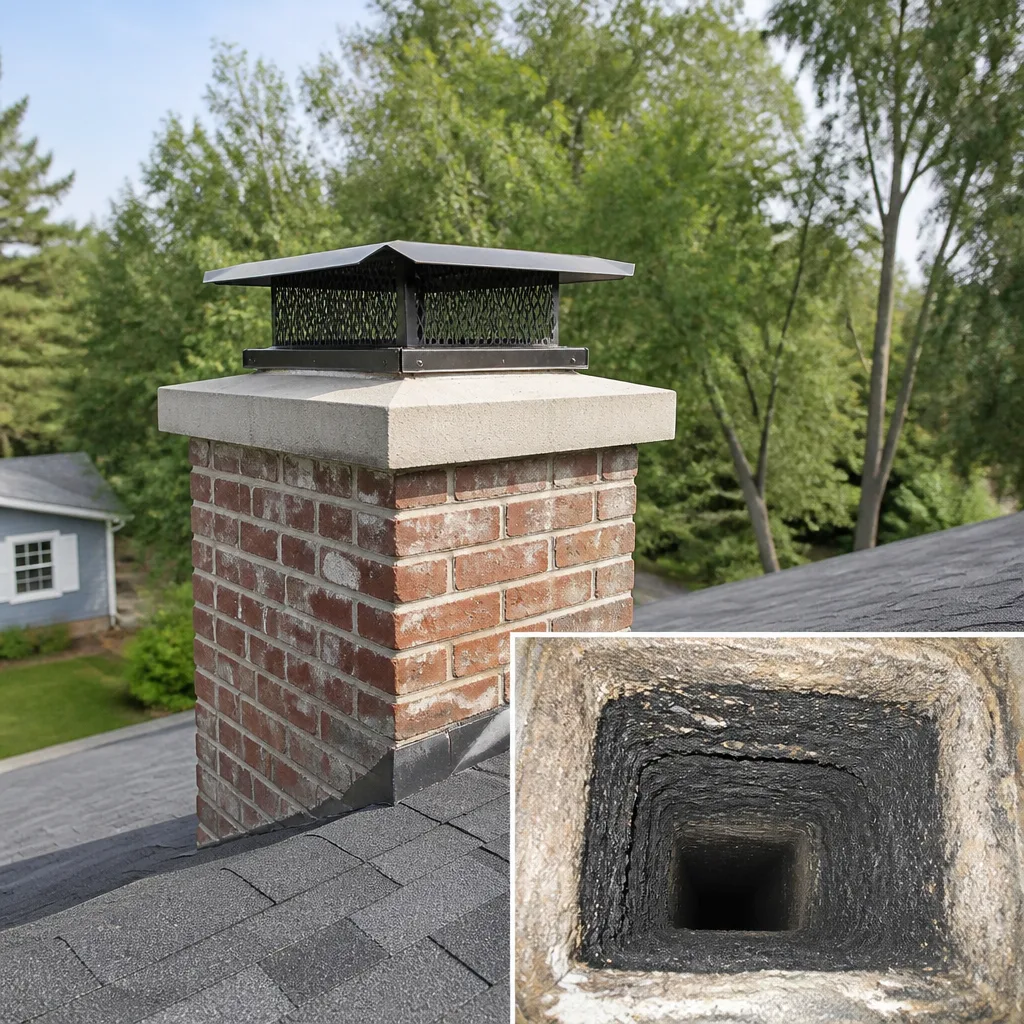
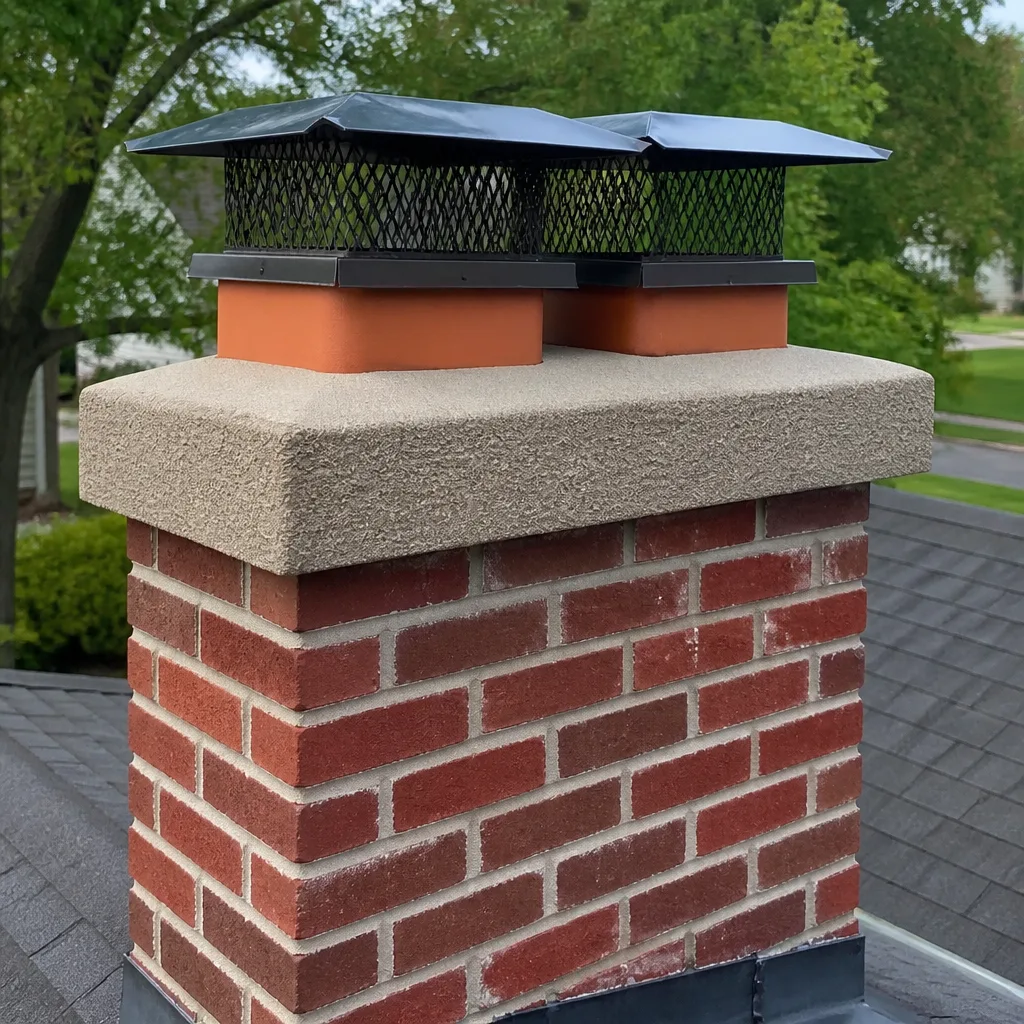
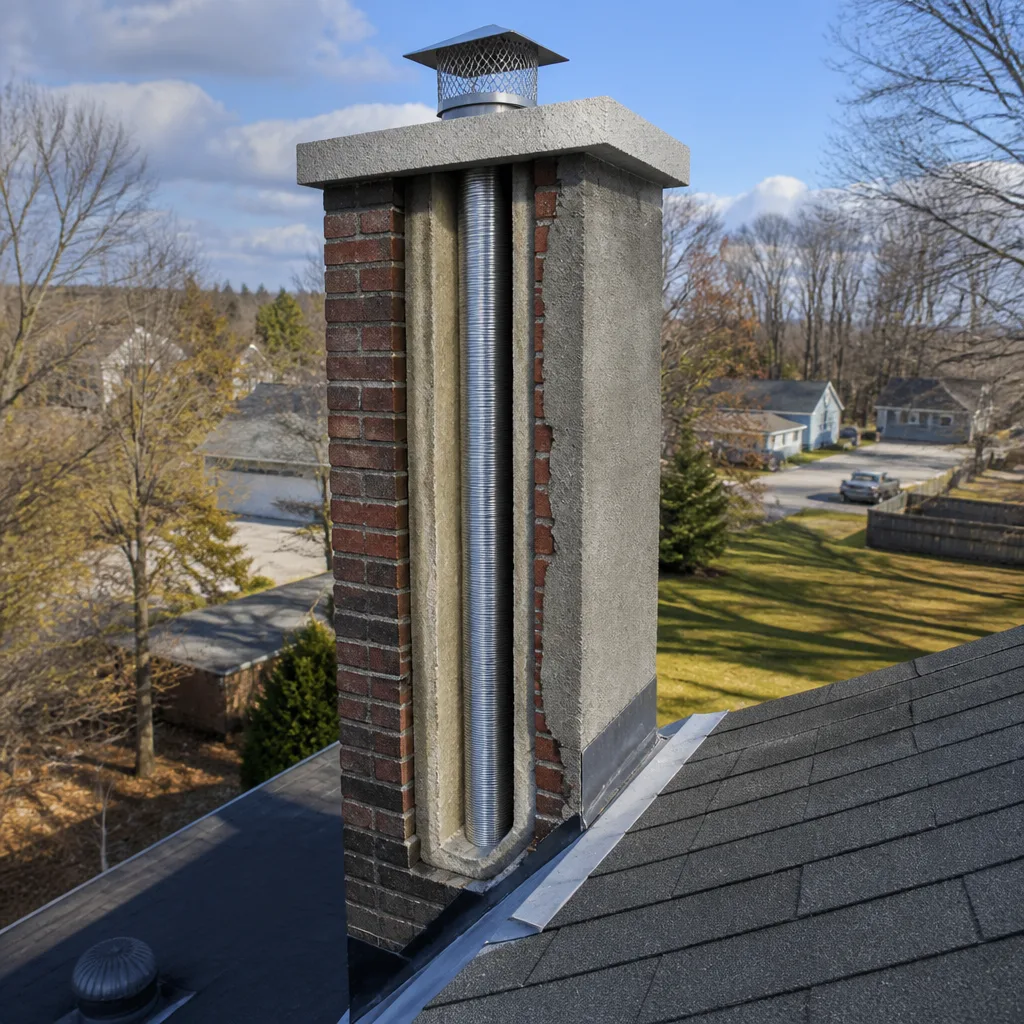
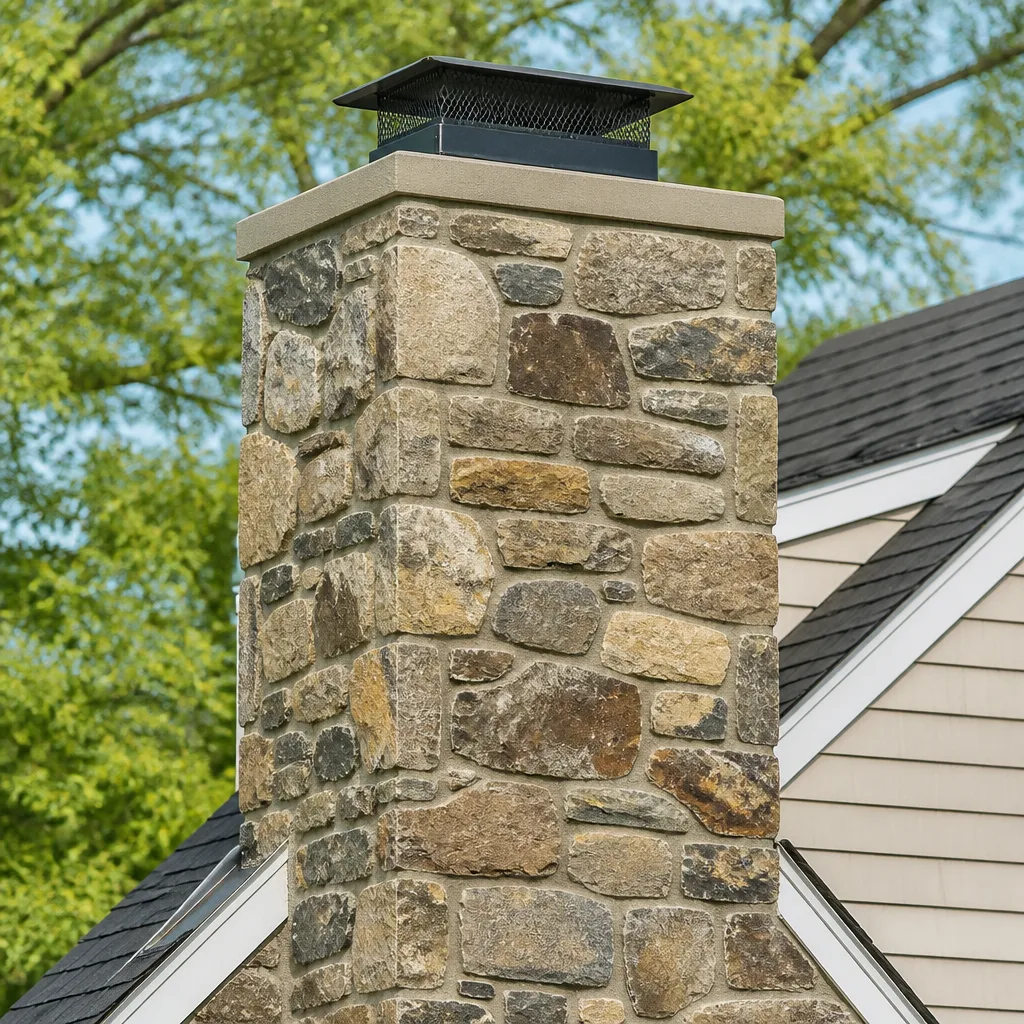
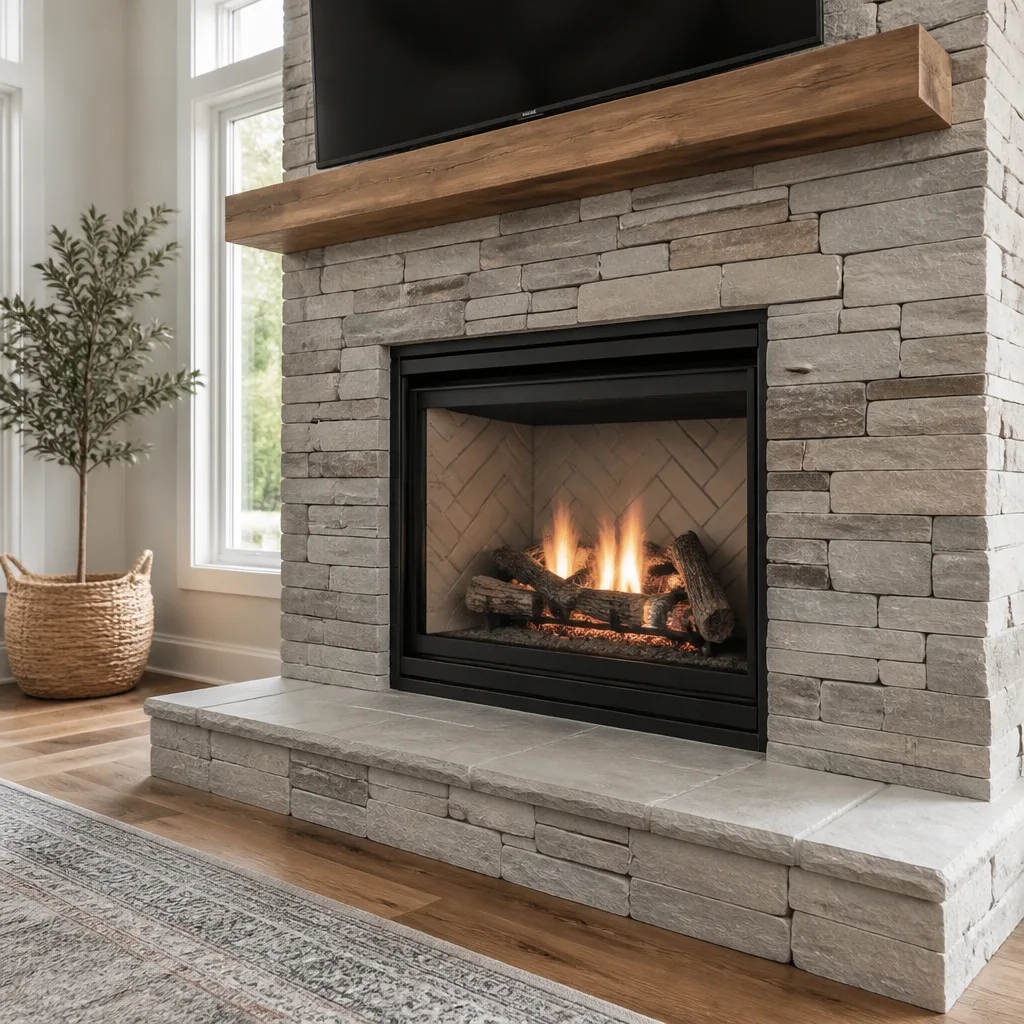
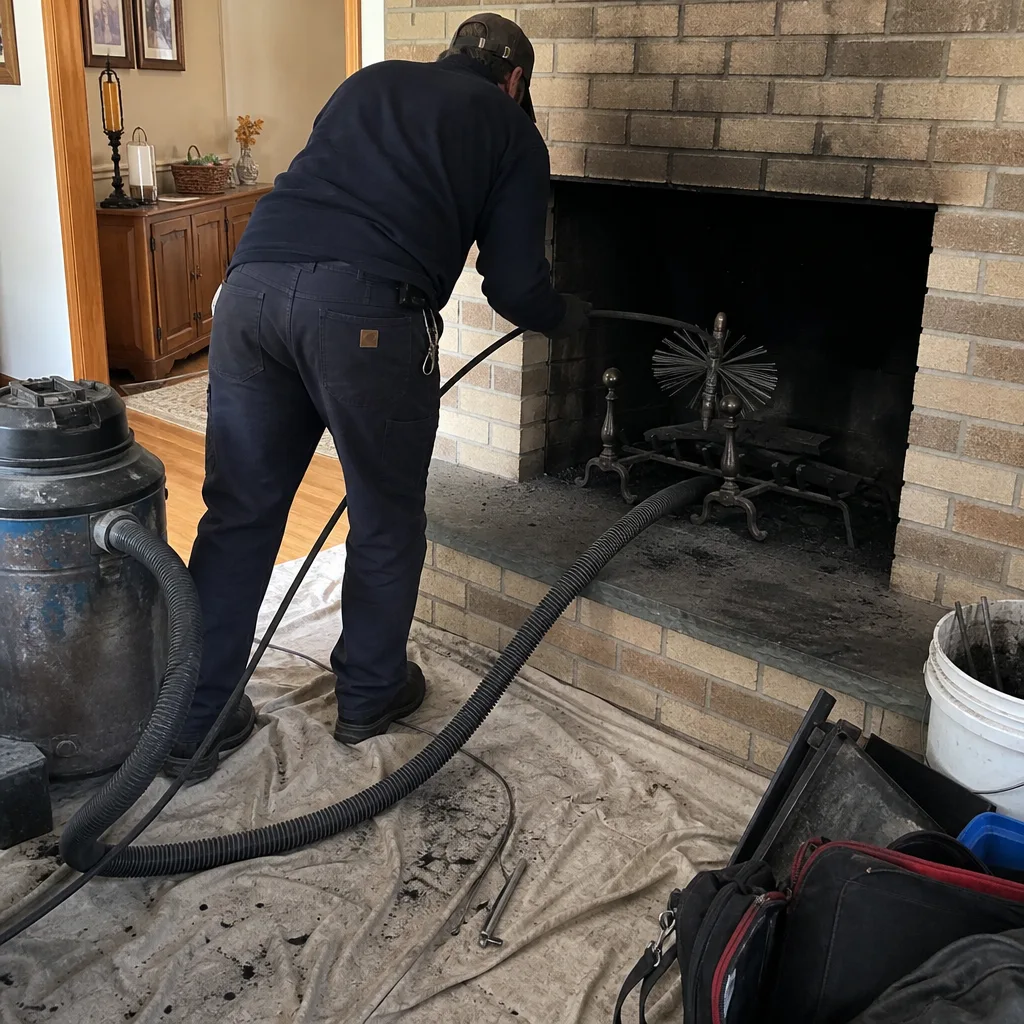 Before
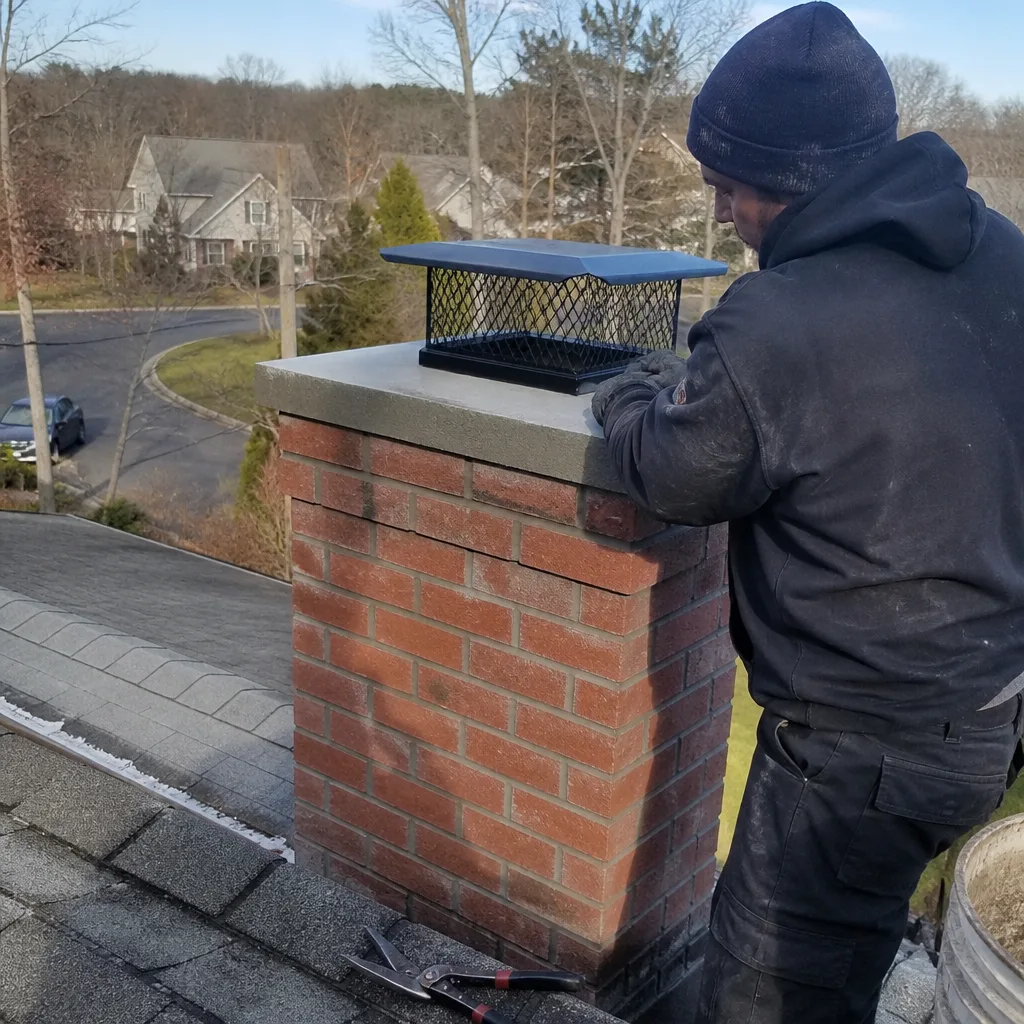 After
After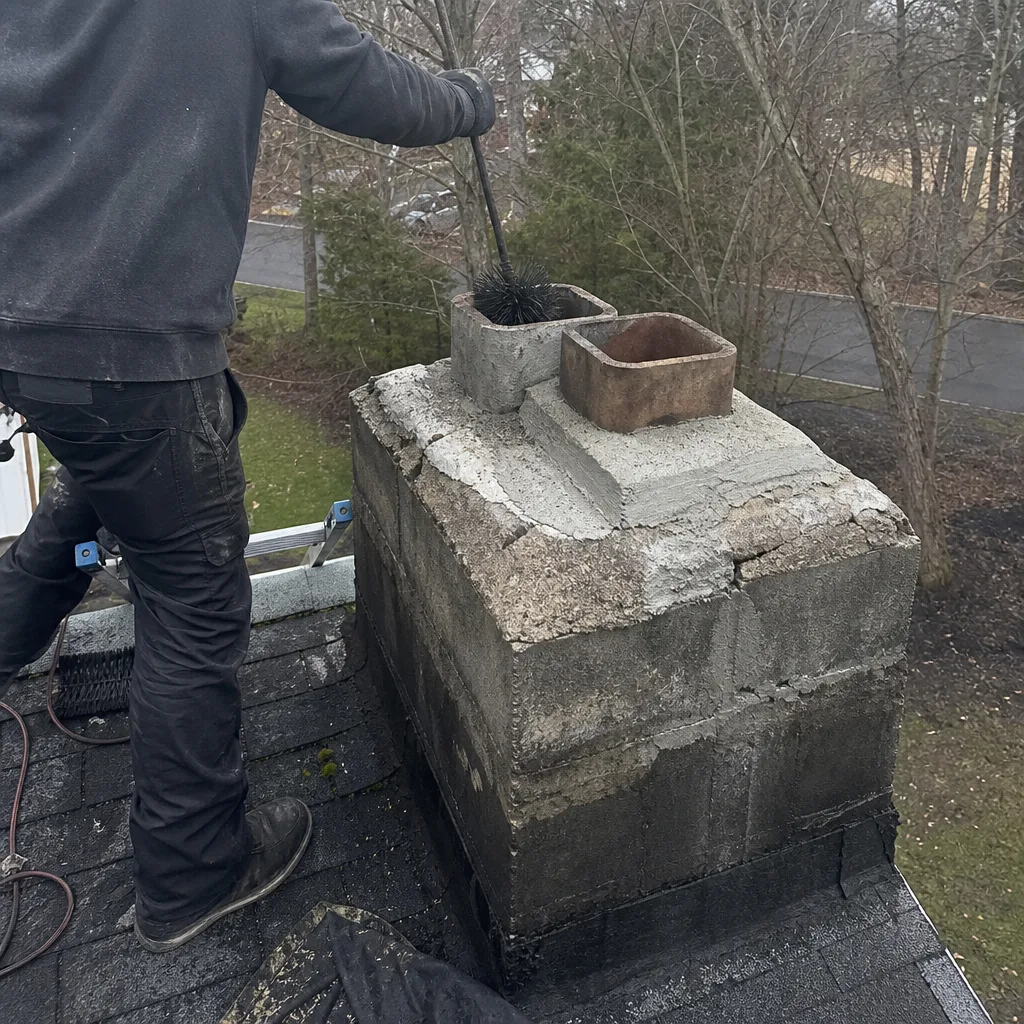 Before
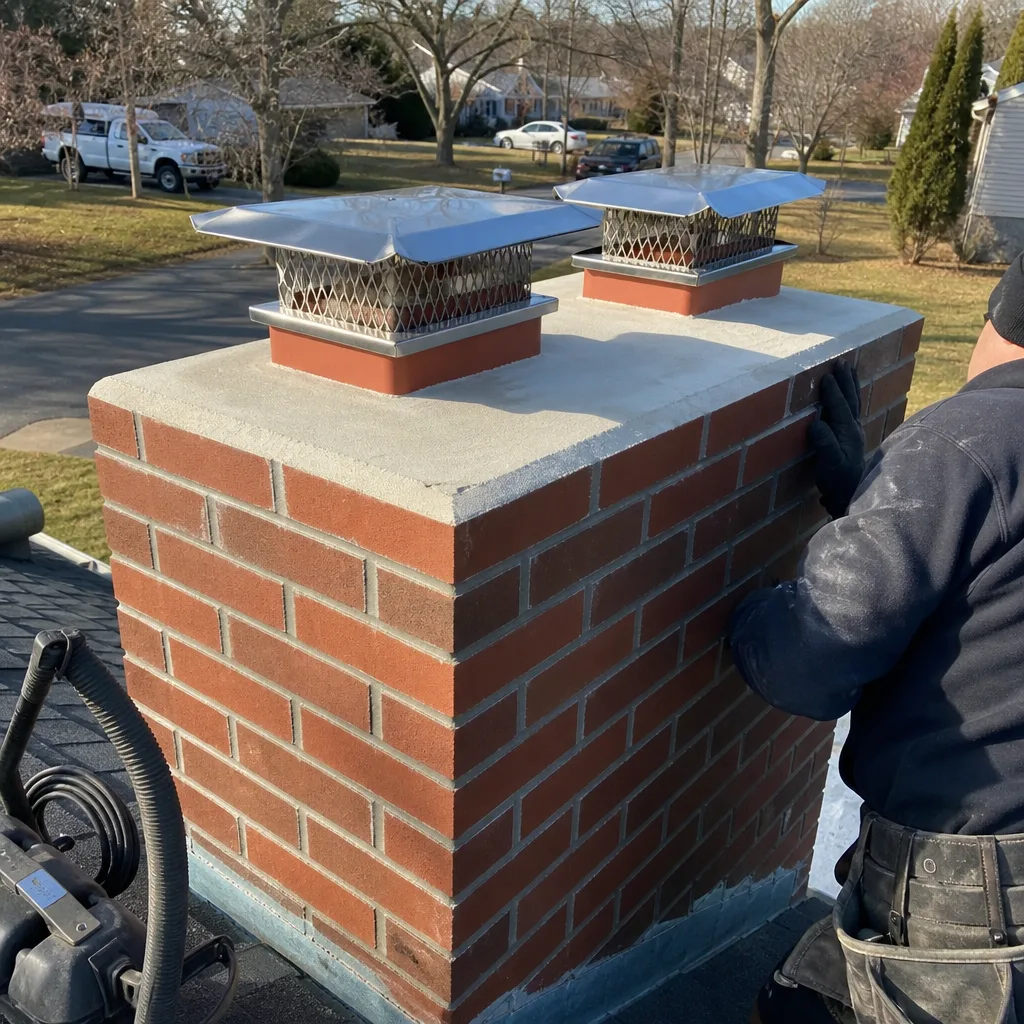 After
After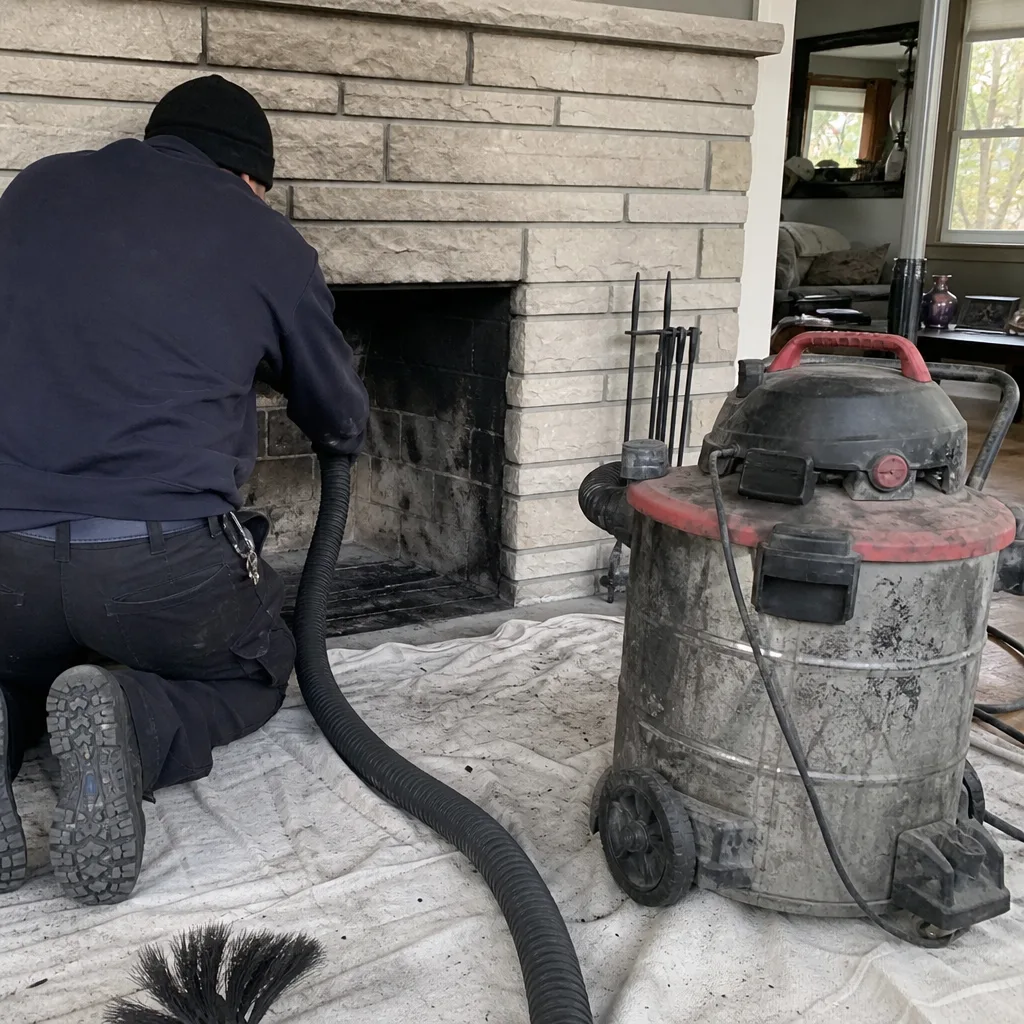 Before
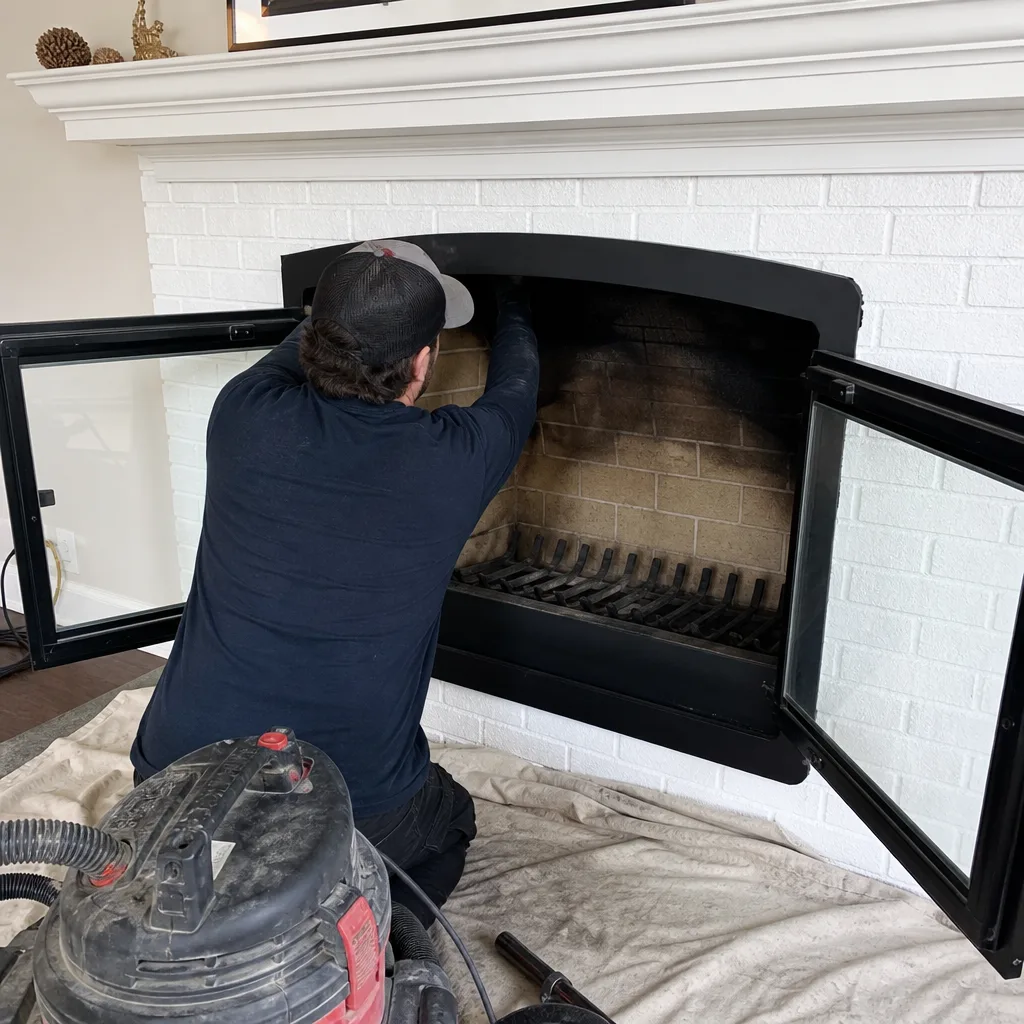 After
AfterChimney Cleaning Permits, Codes & Inspections in NY: What You Need to Know
Here’s the part nobody tells you at the closing table: a chimney cleaning in New York rarely needs a permit, but the liner replacement that gets recommended during that cleaning often does. And when an unpermitted liner fails, your insurance company can point to that missing permit and walk away from the claim. We’ve watched too many Commack homeowners discover this after the fact. This guide draws the line between routine maintenance and regulated work so you know exactly where you stand before anyone starts climbing onto your roof.
Quick Answer
Routine chimney sweeping and most minor repairs like cap replacement or crown sealing do not require a permit anywhere in New York State. However, chimney rebuilding, structural repairs, and relining typically require a building permit from your local municipality, and all chimney work must comply with NFPA 211 and the New York State Mechanical Code. Always ask the sweep whether the work they’re recommending triggers a permit requirement before you approve it.
Table of Contents
- Which Chimney Work Needs a Permit in NY (and What Doesn’t)
- NFPA 211: The Standard Every NY Inspector References
- Level 1, Level 2, and Level 3: What Each Inspection Actually Means
- How Suffolk County and Local Municipalities Add Their Own Rules
- What “Passing Inspection” Does and Doesn’t Guarantee
- How Unpermitted Chimney Work Affects Insurance Claims
- Chimney Inspections During Home Sales: What NY Buyers and Sellers Face
- Common Mistakes to Avoid
Which Chimney Work Needs a Permit in NY (and What Doesn’t)
New York State leaves chimney permitting decisions to local municipalities, but the broad pattern is consistent from county to county. Routine maintenance lives outside the permit system. Anything that changes the structure, lining, or footprint of the chimney pulls a permit.
Here’s the breakdown we give homeowners in Commack:
No Permit Required
- Chimney sweeping and creosote removal
- Chimney cap installation or replacement
- Crown sealing with minor crack repair
- Damper replacement or repair
- Smoke chamber parging (when done as maintenance, not rebuild)
- Flue inspection and camera work
- Waterproofing exterior brick surfaces
Permit Required (in most NY municipalities)
- Full or partial chimney rebuild
- Stainless steel liner installation (including DuraFlex systems)
- Flue tile replacement or HeatShield resurfacing when it changes the flue dimensions
- Fireplace insert installation when connected to a new flue configuration
- Changing chimney height or relocating the flue exit
- Structural masonry repair beyond surface pointing
- Converting a wood-burning fireplace to gas
The takeaway: the sweep itself never needs a permit. But the conversation that starts with “your flue needs a liner” may be the first step into regulated territory. A reputable company will tell you that clearly and handle the permitting process as part of the quote. A less careful one will just show up with the liner and start cutting. You want the first kind.
One other nuance worth knowing: chimney repair in Commack frequently straddles this line. Re-pointing a few bricks is maintenance. Rebuilding the top 18 inches of masonry is construction. When the scope changes mid-job, so does the legal picture. Ask for that distinction in writing before work begins.
NFPA 211: The Standard Every NY Inspector References
NFPA 211 is the National Fire Protection Association standard for chimneys, fireplaces, vents, and solid-fuel-burning appliances. New York State has adopted it by reference, which means it carries the weight of law even though it was written by a private organization. When an insurance adjuster or building inspector asks “was this done to code,” NFPA 211 is the code they mean.
You don’t need to read all 200-plus pages. Here’s what actually matters for a homeowner:
- All chimneys connected to wood-burning appliances must be inspected at least once per year under NFPA 211 Chapter 15.
- Creosote buildup of 1/8 inch or more requires cleaning before further use.
- Clearance to combustibles must be verified at every inspection; this is the most common cause of failed chimney inspections in Suffolk County homes built before 1990.
- Liners must be continuous, unperforated, and correctly sized to the appliance they serve.
- Missing or cracked flue tiles constitute a code violation that requires correction before the fireplace is used again.
The 1/8-inch creosote threshold is the one we quote most often. Homeowners picture creosote as a black, tarry crust an inch thick. What NFPA 211 actually says is that a layer the thickness of two quarters is enough to require professional sweeping. In our experience, a fireplace used three to four nights a week through a Long Island winter hits that threshold by March without exception.
Here’s a phrase we use with homeowners: Your flue doesn’t care how the fire looks. It cares how it breathes. A chimney can look clean from the hearth and be carrying enough creosote to sustain a chimney fire. NFPA 211 exists because that gap between appearance and reality is never smaller than the one between a homeowner’s eye and a proper inspection scope.
If you want to understand what goes into a professional chimney cleaning in Commack, knowing the NFPA 211 threshold gives you a useful yardstick. The sweep should be measuring, not just brushing, and should be able to tell you the thickness they found before and after.
Level 1, Level 2, and Level 3: What Each Inspection Actually Means
NFPA 211 defines three levels of chimney inspection. The distinction matters because the word “inspection” gets used loosely, and you may pay for a Level 1 when the situation called for a Level 2, or vice versa.
Level 1 Inspection: This is the inspection included with a standard chimney sweep. The sweep verifies the readily accessible portions of the chimney and fireplace, checks for creosote buildup, verifies the damper works, and confirms there’s no obvious structural issue visible from inside the flue or from the roof. No tools beyond a flashlight and mirror. This is appropriate when your chimney is used the same way every year and nothing has changed.
Level 2 Inspection: Required by NFPA 211 when any of the following occur: the property is being sold, the fuel type is changing (wood to gas, for example), the chimney has been damaged by a chimney fire, an earthquake or severe weather event has potentially affected it, or you’re adding an insert or liner. A Level 2 includes everything in Level 1 plus a camera scan of the internal flue, an examination of the attic area where the chimney passes through, and the crawl space or basement connection point.
Level 3 Inspection: Reserved for cases where a Level 1 or Level 2 has revealed a problem that requires access to concealed areas to diagnose. A Level 3 may involve removing portions of the chimney structure or adjacent wall materials to determine the full extent of hidden damage. This is rare, but we see it most often after chimney fires in Commack’s older split-level homes, where the flue runs through a wall cavity and you can’t see what a fire may have done to the surrounding framing.
For home sales in NY, the Level 2 is the one that matters. An buyer’s inspector will flag a chimney condition, the seller calls a sweep, and a Level 2 camera inspection is what determines whether the issue is cosmetic or structural. If someone quotes you a chimney “inspection” for $49, you’re getting a visual once-over, not a code-compliant examination. The camera footage and a plain-English verdict, every time, no exceptions, is the standard you should hold out for.
How Suffolk County and Local Municipalities Add Their Own Rules
New York State sets the baseline with the Mechanical Code and NFPA 211. Suffolk County generally follows that baseline, but the permitting process runs through each town’s building department, and there are practical differences that affect Commack homeowners.
Commack is split between the Towns of Huntington and Smithtown. Both towns issue building permits for chimney relining and rebuild work, both require a Certificate of Compliance or equivalent sign-off after the work is done, and both have inspectors who will ask for proof of compliance with NFPA 211. The practical difference is mostly a matter of how far out the building department is scheduling and what paperwork they require at the front end.
What you should know, as a practical matter:
- Liner installations almost always require a permit in both Huntington and Smithtown. Don’t let anyone tell you “nobody files for those” because you’ll be the one living with the unpermitted liner at resale.
- Some townships require a post-installation inspection before the fireplace can legally be used. This is typically a quick visual inspection plus a review of the permit documentation.
- If you’re in a historic district or a waterfront overlay zone, you may face additional review. That’s rare in Commack proper but it happens enough along the north shore that it’s worth asking about.
- Nassau and Suffolk have different local processes, so if you’re comparing quotes with a relative in Garden City, the permit conversation won’t translate.
The company you hire should be familiar with the specific town requirements where you live. Ask directly: “What does the town of Huntington require for this and will you file the permit as part of the job?” If the answer is vague, that’s your signal to get a second opinion.
What “Passing Inspection” Does and Doesn’t Guarantee
Here’s a common point of confusion. A homeowner has their chimney swept and the sweep says it “passed inspection.” What does that actually mean? Usually, it means the Level 1 inspection revealed no immediate fire hazard, the creosote was below the action threshold, and the flue is safe to use this season. It does not mean the chimney is structurally sound for the next decade, or that it would pass a Level 2 camera inspection.
Think of it this way: passing a Level 1 inspection is like your car passing a state safety inspection. It confirms the vehicle is safe to operate right now. It doesn’t tell you whether the timing chain is about to go. A clean chimney can still have:
- Cracked flue tiles hidden behind a smooth layer of soot
- Deteriorating mortar joints in the smoke chamber that only a camera sees
- A chimney crown with hairline cracks that will widen through the next freeze-thaw cycle
- Improper clearances that were never correct but have gone unnoticed for 30 years
- Signs of a past chimney fire that compromised the liner without leaving visible exterior damage
This is why we tell Commack homeowners the same thing every time: a good sweep is a good start, but if your chimney hasn’t had a Level 2 camera inspection in the past two years, you don’t yet know what you don’t know. The camera footage and a plain-English verdict, every time, no exceptions. That’s the standard we hold ourselves to, and it’s what protects you from the surprise structural finding right before a home sale.
It also connects directly to fireplace services in Commack and the surrounding area. A fireplace that works fine with an open fire may perform very differently when you install glass doors or an insert, which changes airflow characteristics. Passing inspection for your current setup doesn’t transfer automatically to a new one.
How Unpermitted Chimney Work Affects Insurance Claims
Most homeowners don’t think about their chimney until something goes wrong. Then they file a claim, and the adjuster starts asking questions. When was the last time you had this cleaned? Do you have documentation? Was any work done on the liner? Who did it? Was a permit pulled?
Here’s the uncomfortable truth: New York homeowner’s insurance policies typically contain exclusions for damage caused by unpermitted work. If a liner installed without a permit fails and causes a fire or structural damage, the carrier can deny the claim. It doesn’t matter that you didn’t know a permit was required. It doesn’t matter that the contractor told you not to worry about it. The policy language is the policy language.
What you should do before any significant chimney work:
- Ask the company in writing: does this work require a permit in my town?
- If yes, confirm they’ll obtain the permit and provide you with a copy before work starts.
- Keep all documentation: the permit, the invoice, the post-work inspection report, and any photos.
- If you’re adding a liner or insert, ask for a Level 2 camera inspection before and after the install. Before proves the need. After proves the work was done right.
- Make sure the company provides a written warranty for the liner and installation. A verbal promise won’t survive an insurance adjuster’s questions.
We’ve seen this play out enough times in Suffolk County that we’ve made it a habit to provide homeowners with a documentation packet after any significant repair or liner job. You’ll have the permit number, the inspection report, the camera footage, and the warranty, all in one folder. If a claim ever comes up, that folder is worth more than the work itself.
Chimney Inspections During Home Sales: What NY Buyers and Sellers Face
Chimney problems are one of the most common deal-breakers in New York home sales. A buyer’s home inspector examines the fireplace and chimney from a general-practice perspective, flags anything concerning, and then the specialist conversation begins. That’s where the Level 2 inspection comes in.
If you’re selling a home in Commack, here’s what to expect:
- The buyer’s inspector will nearly always flag the chimney if there’s visible creosote, a missing cap, or cracked masonry at the crown. Even a “note” on the report can trigger a request for a specialist assessment.
- The buyer will then request either a Level 2 inspection or a full sweep and inspection before closing. Sometimes both.
- If a liner defect or structural issue is found, the repair cost gets negotiated into the deal. A missing liner can easily become a $4,000-$8,000 credit item.
- If you’ve had unpermitted liner work done in the past, and the buyer’s attorney is thorough, you may have to produce the permit retroactively. Towns will issue after-the-fact permits, but it’s expensive and slow.
For buyers, the message is simple: always get a Level 2 chimney inspection before closing, especially on any home older than about 20 years. The general home inspector is doing a visual check. The chimney specialist is putting a camera inside the flue. Those are very different levels of information, and the difference can be a repair credit worth thousands.
For sellers, the message is equally simple: have your chimney swept and inspected before you list. You’ll find problems before a buyer does, and you can fix them on your schedule and budget, not under the pressure of a 30-day closing window. Fixing a small crown crack for $500 is a very different situation than negotiating a $6,000 liner credit under a ticking clock.
We do both seller pre-listing inspections and buyer inspections throughout the Commack area. The pricing is the same either way: the fee for the inspection is straightforward, the report is written in plain English, and we include the camera footage whether you’re the buyer or the seller. You can also get a free second opinion on any competing written estimate, which is helpful when a sale is being negotiated and someone else’s price feels too high.
Common Mistakes to Avoid
- Believing a permit was pulled when it wasn’t. Ask for the permit number before work starts and verify it with your town’s building department. A verbal assurance is not a permit.
- Skipping the Level 2 inspection when buying a home. The general inspector cannot see inside your flue. Camera footage is the only way to know if a liner is cracked, misaligned, or missing entirely.
- Using a fireplace after a chimney fire without an inspection. A chimney fire can compromise the liner and surrounding structure even when the exterior looks fine. Once a year, burn or no burn, and especially after any event like that.
- Accepting a “clean bill of health” without seeing documentation. If the sweep can’t show you written findings, hold off on any recommended repairs until you have the evidence.
- Letting a handyman install a stainless liner to save money. Liner installation requires proper sizing, insulation, and connection details per NFPA 211. A handyman isn’t pulling a permit or standing behind the work 90 days later.
- Assuming a gas fireplace doesn’t need regular inspection. Gas logs still produce combustion byproducts, and the flue is still connected to your home’s air system. Once a year, burn or no burn applies here too.
When to Call a Professional
If you’ve just bought a home in Commack or anywhere in Suffolk County and haven’t had a Level 2 camera inspection done, that’s the call to make first. If you smell smoke when the fireplace isn’t in use, see water stains around the chimney in the attic, or notice efflorescence (white powdery deposits) on the brick, don’t wait for your annual sweep. If someone has recommended a liner replacement without showing you camera footage, get a second opinion before you spend a dime. Top Hat Chimney offers free estimates in Commack. Call (631) 502-3612 and ask for Wendell. You’ll get a straight answer and no pressure.
If you’re looking for a local sweep to handle the seasonal cleaning, our Top Hat Chimney home has all the specifics on scheduling and what to expect when we arrive. For the full range of services in the area, our Commack chimney cleaning page goes deeper into what a proper sweep includes, and our fireplace services in Commack page is a good resource if the issue is more about the appliance than the flue. If a repair is already on your radar, start with our Commack chimney repair page to see how we handle everything from crown sealing to full rebuilds.
Frequently Asked Questions
No. Routine chimney sweeping and creosote removal are considered maintenance and do not require a permit anywhere in New York State. A permit becomes necessary only when the work involves structural changes like relining, rebuilding, or significant masonry repair. If a sweep recommends that kind of work, ask them to confirm the permit requirement in writing before you approve it. For a free estimate on your cleaning or any follow-up work, call (631) 502-3612.
Chimney cleaning in Commack typically runs between $175 and $350, depending on the size of the chimney, the amount of buildup, and whether you’re adding a Level 1 inspection or camera work. Roof access issues and creosote glaze can push that number higher, but you’ll know the price before we start. Call (631) 502-3612 for a free estimate on your chimney.
NFPA 211 says once per year, whether you use the fireplace or not. Chimneys break in the off-season too; freeze-thaw cycles on Long Island move masonry, and animals build nests in unused flues during spring and summer. The annual visit is also when a camera inspection catches small issues before they become expensive ones. If you’re in Commack and due for a sweep, call (631) 502-3612 to schedule.
A Level 1 inspection is a visual examination of the readily accessible portions of your chimney, typically done as part of a routine sweep. A Level 2 inspection adds a camera scan of the internal flue, an examination of accessible attic and crawl space areas, and is required for home sales, fuel changes, and after chimney fires. If you’re buying or selling a home anywhere in Suffolk County, insist on the Level 2.
Yes, in the sense that damage caused by unpermitted work can be excluded from coverage. If a liner installed without a permit fails and causes a fire or structural damage, the carrier can deny the claim. Always confirm whether a permit is required, get the permit number before work starts, and keep your documentation after the job is done.
A clean chimney is a good sign, but it doesn’t guarantee the flue is structurally sound. Cracked tiles, deteriorating mortar, and compromised liners can hide behind a chimney that looks immaculate from the outside. A Level 2 camera inspection is the only way to confirm the internal condition. Once a year, burn or no burn, and get the camera in there.
The Bottom Line
Chimney cleaning in New York doesn’t require a permit. The liner replacement, rebuild, or structural repair that often follows it does. The line between the two is where homeowners get into trouble, and the stakes are higher than most people realize: insurance denials, resale delays, and safety hazards that a visual once-over won’t catch. If you remember one thing from this guide, make it this: before any repair on your chimney, ask for the permit in writing. Before any cleaning, ask for the camera footage. And if you’re in Commack, call (631) 502-3612 for a free estimate. First-degree creosote is a brush job. Third-degree is a glaze. Catch it early.
Written by Wendell Pike, Owner at Top Hat Chimney, serving Commack since 1999.